Subtopic: (Cardiac) Energy and Vitality
Author: Jasmin Akther Hossain
Center for Food as Medicine
Date: March 4, 2025
Table of Contents
What the Research is Telling us 3
Dosage Recommendation Based on Research 6
Legal Status and Availability 9
Specific Nutrient: Omega-3 fatty acids 11
What the Research is Telling us 13
Dosage Recommendation Based on Research 15
Legal Status and Availability 19
Specific Nutrient: Nitrate-rich foods 20
What the Research is Telling us 22
Dosage Recommendation Based on Research 24
Legal Status and Availability 27
Specific Nutrient: Magnesium 28
What the Research is Telling us 30
Dosage Recommendation Based on Research 31
Legal Status and Availability 35
Specific Nutrient:Vitamin B 35
What the Research is Telling us 37
Dosage Recommendation Based on Research 39
Legal Status and Availability 42
Specific Nutrient: Coenzyme Q10 (CoQ10) 43
What the Research is Telling us 45
Dosage Recommendation Based on Research 47
Legal Status and Availability 50
Specific Nutrient: Fibers and Stanols 50
What the Research is Telling us 52
Dosage Recommendation Based on Research 56
Legal Status and Availability 59
Positions and Views of Worldwide Governmental Medical and Health Organizations 69
Nonprofits and Private Organizations 71
Introduction
Our heart is an incredible organ that continuously pumps oxygenated and nutrient-rich blood throughout the body to sustain life. This fist-sized organ beats 100,000 times daily, pumping 5 to 6 quarts of blood every minute. The heart, blood, and blood vessels make up the cardiovascular system, which plays a crucial role in maintaining life and supporting the body’s energy production processes. It is essential for delivering oxygen, energy-rich nutrients, hormones, immune cells, and other essentials like ions and coenzymes throughout the body and removing carbon dioxide and other waste products from the tissues. Over a 70-year lifespan, the heart pumps approximately 200 million liters of blood. Thus, a healthy circulatory system is vital to our health in order to sustain life and promote the health of all the body’s tissues.
Significance of the Topic
Our cardiovascular system circulates blood throughout the body to perform several key functions: Blood circulation carries hormones and enzymes critical for various bodily functions, such as metabolism, immune response, and tissue repair. Efficient delivery allows cells to respond quickly to changes and stress, maintaining energy levels and optimal health. The brain, a crucial organ, relies on a constant supply of oxygen-rich blood to function at its best. Efficient circulation supports mental clarity, concentration, and mood. Similarly, muscles need ample oxygen and nutrients to perform activities such as walking and exercise. Poor circulation can lead to muscle fatigue, cramping, and reduced stamina, while good circulation promotes endurance and recovery.
In essence, a healthy heart and robust blood flow are foundational for keeping the body’s energy systems running efficiently, supporting physical, mental, and emotional vitality. These systems enable a person to stay active, alert, and resilient in the face of daily demands.
Maintaining heart health and optimal energy production is greatly influenced by a balanced diet. Proper nutrition plays a crucial role in preventing and managing cardiovascular disease (CVD). Evidence-based guidelines recommend a diet rich in fruits, vegetables, whole grains, and lean proteins, while advising a reduction in saturated fats, trans fats, added sugars, and salt. This literature review highlights the significance of specific nutrients such as iron, omega-3 fatty acids, nitrates, magnesium, vitamin B, Coenzyme Q10, and dietary fiber in promoting cardiovascular health and enhancing energy levels.
Specific Nutrient: Iron
What is it
Iron is a vital trace mineral that plays a central role in oxygen transport, energy metabolism, and numerous enzymatic processes in the body. It has been recognized as an essential nutrient for centuries. Historically, dietary iron has been obtained from animal sources such as meat and liver, as well as plant-based sources like legumes and leafy greens. Its role in preventing anemia and fatigue was first identified in the late 19th century.
How it Works
Iron is a fundamental mineral required for multiple physiological processes, primarily supporting oxygen transport, energy production, and immune defense. It is a key component of hemoglobin, a protein in red blood cells that binds to oxygen in the lungs and delivers it to tissues and organs throughout the body. Similarly, myoglobin, found in muscle cells, relies on iron to store and release oxygen during muscle contraction and physical activity, ensuring muscles function optimally under stress.
Beyond its role in oxygen transport, iron acts as a cofactor for a variety of enzymes involved in critical biochemical pathways. It facilitates the production of cytochromes, proteins essential for electron transfer in the electron transport chain (ETC) within mitochondria. This process drives oxidative phosphorylation, enabling cells to produce adenosine triphosphate (ATP), the body’s main source of energy. Without sufficient iron, ATP production diminishes, leading to fatigue, weakness, and reduced endurance.
Iron is also crucial for DNA synthesis and cellular growth, supporting the rapid turnover of cells, including immune cells. It aids in the production and activation of lymphocytes and macrophages, which defend the body against infections. Additionally, iron contributes to the regulation of neurotransmitter synthesis—such as dopamine and serotonin—impacting mood, focus, and cognitive performance.
In times of increased physiological demand, such as pregnancy, menstruation, and intense physical activity, iron requirements rise significantly. Pregnant women need more iron to support fetal development and expand maternal blood volume, while menstruating individuals lose iron through menstrual blood. Athletes, particularly endurance athletes, experience higher red blood cell turnover, sweat losses, and muscle repair needs, making adequate iron intake vital for sustaining performance and recovery.
A deficiency in iron can lead to iron-deficiency anemia, characterized by fatigue, shortness of breath, dizziness, and impaired immune response. Conversely, maintaining adequate iron levels promotes oxygen delivery, enhances energy metabolism, supports brain function, and strengthens immune defenses, enabling the body to operate at its full potential.
What the Research is Telling us
Maintaining adequate iron levels ensures proper cardiovascular function, supports endurance, and enhances overall vitality, allowing the body to perform at its full potential. Iron deficiency can lead to decreased endurance, poor circulation, and an increased workload on the heart. Conversely, excessive iron levels can contribute to oxidative stress, increasing the risk of heart disease. Balancing iron intake through diet or supplements, under medical guidance, is essential for sustaining heart health, energy, and vitality.
A systematic review by Burrati in the journal Medicine & Science in Sports & Exercise explains recent advances in understanding iron metabolism and its relevance to health, exercise, and athletic performance. While it doesn’t describe a specific study method, it synthesizes findings from various research to highlight the crucial role of iron in energy production and physical performance. Iron deficiency can significantly impact performance, even without causing anemia. Low body iron levels can limit oxygen delivery to exercising muscles causing tissue iron deficiency which may affect performance by hampering muscle oxidative metabolism. This suggests that iron’s role in energy production extends beyond its function in oxygen transport.
Another meta analysis study by Smid et al. was done to evaluate to what extent oral iron supplementation (OIS) affects blood iron parameters and physical performance in healthy adult athletes. Oral iron supplementation (OIS) increased serum ferritin levels in athletes, but it did not significantly affect blood hemoglobin, serum transferrin receptor concentration, or transferrin saturation. There was a trend of a small positive effect of OIS on maximal oxygen consumption in young healthy athletes. Effective OIS protocols involved 16-100 mg of elemental iron daily for 6-8 weeks, while shorter supplementation was ineffective. Overall, the study confirms iron is essential for athletes.
A Cochrane Review provided strong evidence on the benefits of daily iron supplementation in menstruating women. The review examined multiple trials and involved over 8000 participants (women aged 12 to 50 years) to determine the impact of daily iron supplementation on anemia, iron status, exercise performance and fatigue in menstruating women. The study found that daily iron supplementation effectively reduces the prevalence of and iron deficiency, raises hemoglobin and iron stores, improves exercise performance and reduces symptomatic fatigue. However, the study also found that increased iron intake can cause gastrointestinal side effects.
Iron deficiency can cause anemia, characterized by fatigue, shortness of breath, dizziness, and impaired immune response so treating anemic patients by iron supplementation and iron rich foods can increase energy production and vitality in such patients. A randomized controlled trial conducted in Germany involved 300 anemic individuals to evaluate the effect of daily iron supplementation on hemoglobin levels. Participants in the intervention group received 20 mg of iron daily for 12 weeks, while the control group received a placebo. The study found a 15% improvement in hemoglobin levels in the iron supplementation group compared to the placebo group. This study demonstrates the efficacy of daily iron supplementation in correcting anemia and improving hemoglobin levels over a relatively short period. The controlled nature of the trial strengthens the reliability of these findings, offering evidence-based support for using low-to-moderate doses of iron supplements to treat anemia effectively and improve hemoglobin level which thus reduce fatigueness and increase energy production.
Another non-randomized, parallel, controlled trial with medicinal iron supplements and iron-rich food supplements (iron enriched niger seed and defatted soy flour biscuits) was conducted with school-aged girls. Twice weekly medicinal iron supplementation was effective in raising hemoglobin levels and building iron stores. Iron-rich food supplementation also improved hematological profile, but to a lesser extent than medicinal iron. However, a critical finding of the study was the sustainability of the impact. The benefits of iron-rich food supplementation on hemoglobin levels were more enduring, with improvements persisting for 4 months post-intervention, whereas the effects of medicinal iron supplementation were more transient. This highlights the importance of integrating iron-rich dietary strategies into long-term nutritional interventions to sustain hematological benefits, especially in resource-limited settings.
Dosage Recommendation Based on Research
The amount of iron that our body needs depends on several factors including age, gender, body type and genetics.
Table 1 Dosage Recommendation for Iron
| What’s the Daily Recommended Intake? | How much do I take? | Don’t take more than… | When will I see results? | |
| 19–50 years | 8 mg | 18 mg | 20–30 mg daily for deficiency | 45 mg per day |
Facts and Misconceptions
Iron is critical for oxygen transport and energy production. However, a misconception about iron is that everyone benefits from iron supplements. In reality, supplementation is only necessary for those with diagnosed deficiency, as excess iron can lead to toxicity such as oxidative stress and organ damage.
Food Sources
Heme iron is found in animal-based foods and has higher absorption rates, and it can be acquired from various types of meat, including beef, chicken, and pork. Organ meats, especially liver, are particularly high in iron, providing a substantial boost to dietary intake. Fish like salmon and tuna not only offer heme iron but are also packed with healthy omega-3 fatty acids.
Non-heme iron, found in plant-based foods and with lower absorption rates, can be sourced from legumes such as lentils and chickpeas, which are excellent options despite their reduced absorption efficiency. Nutrient-rich green leafy vegetables like spinach and kale contribute valuable non-heme iron while also being high in essential vitamins and minerals. Whole grains, including quinoa and fortified cereals, provide non-heme iron along with important fiber and nutrients, and nuts and seeds, such as pumpkin seeds and almonds, offer iron along with healthy fats and protein. To enhance the absorption of non-heme iron, it’ is beneficial to incorporate foods rich in Vitamin C, such as citrus fruits like oranges and colorful vegetables like bell peppers.
Absorption Enhancers: Pairing non-heme iron sources with vitamin C-rich foods (e.g., oranges, strawberries) enhances iron absorption. Non-heme iron, which is found in plant-based foods like legumes, leafy greens, and whole grains, is not as easily absorbed as heme iron from animal sources. However, vitamin C helps convert iron into a more bioavailable form that the body can readily utilize.
Studies have shown that consuming just 100 mg of vitamin C alongside iron-rich plant foods can boost iron absorption by up to 67%. Additionally, avoiding inhibitors like tea, coffee, and high-calcium foods during iron-rich meals can further enhance absorption
An easy-to-use, scientifically proven solution to combat iron deficiency is the concept called ‘The Lucky Iron Fish’. Designed as a small iron ingot, it releases bioavailable iron when boiled in water or broth with an acidic ingredient like lemon juice. Inspired by the traditional method of cooking in cast iron, this tool has been clinically shown to increase iron levels and reduce anemia prevalence by approximately 43% with regular use. It is a safe, affordable, and sustainable alternative to iron supplements, lasting up to five years. The Lucky Iron Fish is particularly beneficial for individuals in low-resource settings, offering a natural and effective way to improve iron intake without the common side effects of iron pills.
Table 2 Food Sources for Iron
| Category | Food Item | Iron Content per Serving (mg) |
| Heme Iron (Animal-based) | Beef (braised bottom round, 3 ounces) | 2 mg |
| Chicken (roasted, meat and skin, 3 ounces) | 1 mg | |
| Pork (average for similar cuts, 3 ounces) | ~0.8–1.0 mg | |
| Liver and organ meats (e.g., beef liver, 3 oz) | 5 mg | |
| Fish (salmon, 3 ounces) | ~0.5 mg | |
| Fish (tuna, light, canned in water, 3 ounces) | 1 mg | |
| Non-Heme Iron (Plant-based) | Lentils (boiled and drained, ½ cup) | 3 mg |
| Chickpeas (boiled and drained, ½ cup) | 2 mg | |
| Quinoa (cooked, 1 cup) | ~2.8 mg | |
| Spinach (boiled and drained, ½ cup) | 3 mg | |
| Kale (cooked, 1 cup) | ~0.6 mg | |
| Fortified cereals (100% DV, 1 serving) | 18 mg | |
| Cashew nuts (oil roasted, 1 ounce) | 2 mg | |
| Pistachio nuts (dry roasted, 1 ounce) | 1 mg |
Supplemental Sources
Multivitamin/mineral supplements with iron, especially those designed for women, typically provide 18 mg iron. Multivitamin/mineral supplements for men or seniors frequently contain less or no iron. Iron-only supplements usually deliver more than the recommended daily value of iron, with many providing 65 mg iron. Frequently used forms of iron in supplements include ferrous sulfate, ferrous gluconate and ferric citrate. The most common and affordable form is ferrous sulfate, providing high bioavailability but may cause gastrointestinal side effects. Ferrous gluconate & ferrous fumarate are alternative forms with similar absorption rates but potentially fewer digestive issues. Ferrous gluconate contains a lower percentage of elemental iron (approximately 12%) compared to other iron salts. However, it is often better tolerated, making it a preferred choice for individuals with sensitive stomachs. Ferrous fumarate has a higher elemental iron content (about 33%), making it a more concentrated option. Despite its potency, it tends to cause less gastric discomfort than ferrous sulfate, making it suitable for patients who require higher doses of iron but experience digestive issues with other formulations.
Heme iron supplements are derived from animal sources, these offer better absorption and are less likely to cause stomach upset. A gentler option is iron polysaccharide complex, often recommended for those with sensitive stomachs. Iron supplements are essential for individuals with iron deficiency, anemia, or increased iron needs (pregnancy, menstruation, athletes). However, they should be taken under medical supervision to avoid side effects and ensure proper absorption.
Side Effects
While iron supplementation is highly effective for addressing deficiency, excessive iron intake can lead to adverse effects, such as oxidative stress and organ damage. Common side effects such as nausea, constipation, and darkened stools are frequent with iron supplements and they may interfere with the absorption of antibiotics (e.g., tetracyclines) and thyroid medications. High doses can lead to iron overload, causing organ damage and oxidative stress. People with hemochromatosis should avoid iron supplementation as it can build up to dangerous levels in the body.
Legal Status and Availability
In the United States, iron supplements are widely accessible over the counter in various forms, including ferrous sulfate, ferrous gluconate, and ferrous fumarate, each providing different amounts of elemental iron.
The Food and Drug Administration (FDA) regulates these supplements to ensure consumer safety. Specifically, the FDA mandates that labels of oral iron-containing products include a warning about the risk of accidental overdose in children under 6, as such overdoses are a leading cause of fatal poisoning in this age group. The required warning states: “WARNING: Accidental overdose of iron-containing products is a leading cause of fatal poisoning in children under 6. Keep this product out of reach of children. In case of accidental overdose, call a doctor or poison control center immediately.”
These regulations are part of a broader effort to ensure that dietary supplements, including those containing iron, are safe for public consumption. Consumers can purchase iron supplements from pharmacies, health food stores, and online retailers. Despite their availability, it i important to use these supplements responsibly, as excessive iron intake can lead to adverse health effects. Therefore, individuals should consult healthcare professionals before beginning any new supplement regimen to ensure it aligns with their specific health needs.
Bottom Line
Iron is indispensable for maintaining oxygen transport and energy production, playing a critical role in the formation of hemoglobin and supporting cellular energy metabolism. While iron supplements can effectively address deficiency, excessive intake can pose health risks such as constipation, nausea, and liver damage. A sustainable approach to maintaining optimal iron levels involves a balanced diet rich in heme iron sources like red meat, poultry, and fish, and non-heme iron sources like lentils, beans, and spinach, enhanced by vitamin C-rich foods to improve absorption. Combining dietary sources with mindful supplementation under medical guidance ensures the body’s iron needs are met for overall health and well-being.
Specific Nutrient: Omega-3 fatty acids
What is it
Omega-3 fatty acids are a class of polyunsaturated fats essential for human health, with three main types: Eicosapentaenoic acid (EPA) and Docosahexaenoic acid (DHA), which are found in marine sources like fatty fish, and Alpha-linolenic acid (ALA), found in plant sources like flaxseed and walnuts. Omega-3s are crucial for cardiovascular, neurological, and inflammatory regulation. They were first identified in studies on Inuit populations with low cardiovascular disease rates. Traditional diets rich in fish, such as the Mediterranean and Japanese diets, further emphasized their importance.
How it works
Omega-3 fatty acids, particularly eicosapentaenoic acid (EPA) and docosahexaenoic acid (DHA), are essential nutrients that play a significant role in supporting energy production and overall vitality. These polyunsaturated fatty acids are integral components of cell membranes, influencing membrane fluidity and functionality, which is crucial for optimal cellular activity. By maintaining the integrity of cell membranes, omega-3 fatty acids facilitate efficient nutrient transport and energy exchange, ensuring that cells can effectively utilize energy substrates.
In addition to their structural role, omega-3 fatty acids are involved in the regulation of metabolic pathways that enhance energy production. They influence the expression of genes related to fatty acid oxidation, promoting the breakdown of fats for energy. This process is particularly important during periods of increased energy demand, such as exercise or physical activity, where the body relies on efficient fat metabolism to sustain performance and endurance.
Omega-3 fatty acids also play a critical role in reducing inflammation, which can otherwise hinder energy production and recovery. By modulating the production of eicosanoids, omega-3s promote the synthesis of anti-inflammatory compounds that help mitigate exercise-induced inflammation and muscle soreness. This anti-inflammatory effect not only supports recovery but also enhances overall vitality, allowing individuals to maintain higher levels of physical activity and energy..
During times of increased physiological demand, such as intense training, stress, or illness, the body’s need for omega-3 fatty acids may rise. Ensuring sufficient intake of these essential fats through diet or supplementation can help support energy metabolism, enhance recovery, and promote overall well-being.
A deficiency in omega-3 fatty acids can lead to various health issues, including increased inflammation, impaired cognitive function, and reduced energy levels. Conversely, maintaining adequate omega-3 levels contributes to optimal energy production, supports brain health, and enhances physical performance, enabling individuals to thrive in their daily activities and achieve their vitality goals.
Omega-3s boost the production of nitric oxide, a molecule that relaxes blood vessels, improving blood flow and reducing blood pressure. Omega-3s improve the health of the endothelial cells that line blood vessels, enhancing their ability to dilate and contract, which contributes to better arterial flexibility and overall vascular health. Furthermore, omega-3 fatty acids are essential for brain health, where DHA is a major structural component of neuronal membranes. Adequate levels of DHA are associated with improved cognitive function, mood regulation, and mental clarity. This cognitive support is vital for maintaining focus and motivation, which are essential for engaging in physical activities and achieving energy-related goals.
What the Research is Telling us
Over the past few decades, research on omega-3 fatty acids has significantly expanded, focusing effects on cardiovascular health and related outcomes. Omega-3 fatty acids, including eicosapentaenoic acid (EPA), docosahexaenoic acid (DHA), and alpha-linolenic acid (ALA), have been extensively studied for their ability to improve heart health, reduce inflammation, and manage lipid profiles.
A large population-based study revealed a strong inverse relationship between fish consumption and the risk of death from coronary heart disease (CHD). The study found that individuals consuming fatty fish one to three times per month had a 21% lower risk of CHD-related mortality, while those eating fish once per week experienced a 29% reduction. For those consuming fish two to four times per week, the risk of death decreased by 31%, and individuals eating fish more than five times per week saw a 34% reduction compared to individuals with no fish consumption. These findings demonstrated a clear dose-response relationship, where higher fish intake progressively lowered risks of CHD-related mortality, likely due to the cardioprotective effects of EPA and DHA in fatty fish.
Similarly, ALA consumption has also been shown to reduce the risk of death from coronary heart disease and from heart attack. The GISSI-Prevenzione Trial, one of the largest randomized controlled trials to date, evaluated the effects of omega-3 fatty acid supplementation in 11,324 patients with coronary heart disease. Over a follow-up period of 3.5 years, daily supplementation with fish oil (EPA/DHA) and ALA capsules resulted in a 15% reduction in death, heart attack, and stroke incidence. The study further reported a 20% reduction in deaths from any health-related cause and a remarkable 45% decrease in sudden deaths due to heart attacks in the intervention group compared to the placebo group. Additionally, triglyceride levels decreased by 4%. These findings underscore the role of omega-3 fatty acids in reducing overall mortality and preventing adverse cardiovascular events, particularly sudden cardiac death.
In a large-scale cohort study involving 25,000 participants, researchers found that consuming two servings of fish per week reduced the risk of cardiovascular events by 20%. This study provided further evidence supporting current dietary guidelines, which emphasize moderate fish consumption as a preventive measure for cardiovascular disease. The findings suggest that even moderate fish intake is sufficient to confer substantial cardiovascular benefits, including reduced risks of heart attacks, strokes, and other vascular events.
Emerging evidence also highlights the potential of acute omega-3 fatty acid treatment that is a single high dose with a short-term regimen of omega-3 fatty acid as a novel strategy for preserving cardiac and neurological functions following acute cardiovascular or central nervous system (CNS) events. When combined with chronic omega-3 supplementation, acute treatment may offer additional therapeutic benefits by mitigating long-term adverse outcomes. This dual approach not only supports cardiac recovery but also protects neurological health, suggesting broad therapeutic applications for omega-3 fatty acids in acute cardiovascular incidents. Clinical trials highlight omega-3s’ efficacy in lowering blood pressure by 4–5 mmHg in hypertensive individuals. Research outcomes provides strong evidence to support omega-3s’ benefits for triglyceride reduction, inflammation control, and vascular health.
Current Consensus: Omega-3 supplementation is widely endorsed by health organizations like the American Heart Association, though more research is needed to determine long-term impacts on mortality rates.
Dosage Recommendation Based on Research
Table 3 Dosage Recommendation for Omega-3 fatty acids
| Nutrient | What’s the Daily Recommended Intake? | How much do I take? | Don’t take more than… | When will I see results? | ||
| Age | Male | Female | ||||
| EPA+DHA | Adult | 1.6g | 1.1g | 500–1,000 mg daily | 3,000 mg per day | 6–12 weeks for significant effects |
| coronary heart disease, approximately 1 g/day | ||||||
| high triglyceride levels, 4 g/day | ||||||
| ALA | 19–50 years | 1.6 g | 1.1 g | |||
| 51+ years | 1.6 g | 1.1 g | ||||
Facts and Misconceptions
A common misconception is that omega-3s can only be obtained from fish. While fish are rich sources, plant-based foods such as flaxseeds, chia seeds, and walnuts also provide ALA, which can be beneficial despite the low conversion rate to EPA and DHA. Additionally, algae-based supplements offer a direct plant-based source of DHA and EPA, making them a suitable alternative for vegetarians and vegans. Incorporating a variety of omega-3 sources into the diet can help support heart health, brain function, and overall well-being.Another misconception is high doses are always safe: While omega-3s can be taken in higher doses for specific therapeutic benefits, very high doses (above 3,000-4,000 mg/day) may increase the risk of bleeding and cause side effects like gastrointestinal distress. There are also misconceptions that supplements are superior to dietary sources, but whole food sources like fish provide additional nutrients not found in supplements.
While omega-3s, particularly EPA and DHA, are widely known for their cardiovascular benefits, recent clinical trials suggest that high doses (≥4 g/day) may elevate atrial fibrillation (AF) risk. A study published in Circulation explores the association between omega-3 fatty acid supplementation and an increased risk of AF.
Food Sources
Natural sources of omega-3s can be divided into marine and plant-based categories. Marine sources are particularly rich in omega-3 fatty acids, with fatty fish being the most notable. Varieties such as salmon, sardines, mackerel, and tuna are excellent sources, providing high levels of eicosapentaenoic acid (EPA) and docosahexaenoic acid (DHA), the two most beneficial forms of omega-3 for human health. Shellfish, including oysters and mussels, are also good sources of these essential fats. On the other hand, plant-based sources primarily contain alpha-linolenic acid (ALA), a type of omega-3 fatty acid. Flaxseeds, chia seeds, and walnuts are among the best plant-based sources. Additionally, soybeans and spinach contribute to the intake of ALA.
Table 4 Food sources for Omega-3 fatty acids
| Food | Grams per serving | ||
| ALA | DHA | EPA | |
| Flaxseed oil, 1 tbsp | 7.26 | – | |
| Chia seeds, 1 ounce | 5.06 | – | – |
| English walnuts, 1 ounce | 2.57 | – | – |
| Flaxseed, whole, 1 tbsp | 2.35 | – | – |
| Salmon, Atlantic, farmed, cooked, 3 ounces | – | 1.24 | 0.59 |
| Salmon, Atlantic, wild, cooked, 3 ounces | – | 1.22 | 0.35 |
| Herring, Atlantic, cooked, 3 ounces | – | 0.94 | 0.77 |
| Canola oil, 1 tbsp | 1.28 | – | – |
| Sardines, canned in tomato sauce, drained, 3 ounces | – | 0.74 | 0.45 |
| Mackerel, Atlantic, cooked, 3 ounces | – | 0.59 | 0.43 |
| Salmon, pink, canned, drained, 3 ounces | 0.04 | 0.63 | 0.28 |
| Soybean oil, 1 tbsp | 0.92 | – | – |
| Trout, rainbow, wild, cooked, 3 ounces | – | 0.44 | 0.40 |
| Black walnuts, 1 ounce | 0.76 | – | – |
| Mayonnaise, 1 tbsp | 0.74 | – | – |
| Oysters, eastern, wild, cooked, 3 ounces | 0.14 | 0.23 | 0.30 |
| Sea bass, cooked, 3 ounces | – | 0.47 | 0.18 |
| Edamame, frozen, prepared, ½ cup | 0.28 | – | – |
| Shrimp, cooked, 3 ounces | – | 0.12 | 0.12 |
| Refried beans, canned, vegetarian, ½ cup | 0.21 | – | – |
| Lobster, cooked, 3 ounces | 0.04 | 0.07 | 0.10 |
| Tuna, light, canned in water, drained, 3 ounces | – | 0.17 | 0.02 |
| Tilapia, cooked, 3 ounces | 0.04 | 0.11 | – |
| Scallops, cooked, 3 ounces | – | 0.09 | 0.06 |
| Cod, Pacific, cooked, 3 ounces | – | 0.10 | 0.04 |
| Tuna, yellowfin, cooked 3 ounces | – | 0.09 | 0.01 |
Supplemental Sources
For those who find it difficult to obtain adequate omega-3s through diet alone, supplemental sources are available. Fish oil capsules and algal oil are common supplements. Algal oil is particularly popular among vegetarians and vegans since it is derived from algae, which is a direct source of DHA. When it comes to bioavailability, research indicates that EPA and DHA from fish oil are more bioavailable than ALA from plant sources, meaning that they are more easily absorbed and utilized by the body. A typical fish oil supplement provides about 1,000 mg fish oil, containing 180 mg EPA and 120 mg DHA, but doses vary widely.
Side Effects
While omega-3 fatty acids are generally safe for most individuals, there are some common side effects associated with their consumption. These may include a fishy aftertaste and mild gastrointestinal discomfort. While fish consumption is encouraged due to its omega-3 content and cardiovascular benefits, it is essential to choose low-mercury options such as salmon, sardines, and trout while limiting high-mercury fish like swordfish, king mackerel, and certain types of tuna. Consuming fish high in mercury can lead to mercury toxicity, which poses significant health risks. The primary concern is methylmercury, a highly toxic form of mercury that accumulates in fish and shellfish. When ingested in high amounts, methylmercury can affect the nervous system, leading to symptoms such as loss of peripheral vision, muscle weakness, impaired coordination, and sensory disturbances like tingling in the hands and feet. Chronic exposure is particularly harmful to pregnant women and young children, as it can disrupt brain development, causing cognitive and motor impairments. Other health risks include kidney damage, mood disorders, memory problems, and, in severe cases, neurological symptoms resembling multiple sclerosis.
Additionally, omega-3 supplements can interact with certain medications. Notably, they can increase the risk of bleeding when taken alongside anticoagulants, such as warfarin.Taking fish oil supplements might slightly lower blood pressure. Taking these supplements with blood pressure drugs might increase the effects on blood pressure. Some contraceptive drugs might interfere with the effect fish oil typically has on triglycerides. Therefore, it is advisable to avoid high doses of omega-3s without consulting a healthcare professional, especially if you are using blood-thinning medications.
While omega-3 fatty acids are considered safe for most individuals when consumed at recommended doses, the FDA has established an upper intake limit of 3 grams per day of EPA and DHA combined from supplements. Higher doses should be taken under medical supervision due to the risk of blood thinning and interactions with anticoagulant medications.
Legal Status and Availability
In the United States, omega-3 fatty acids are classified as dietary supplements under the Dietary Supplement Health and Education Act (DSHEA) of 1994. As such, they are regulated by the U.S. Food and Drug Administration (FDA), which oversees their manufacturing, labeling, and marketing to ensure safety and quality. However, unlike pharmaceutical drugs, dietary supplements such as omega-3 fatty acids do not require FDA approval before being marketed, provided they are labeled appropriately and do not make unsubstantiated health claims.
For over-the-counter availability, omega-3 fatty acid supplements derived from fish oil, krill oil, or algal oil (plant-based) are widely accessible in pharmacies, health food stores, and online retailers. They are available in various forms, including softgels, capsules, and liquid formulations, with concentrations varying by brand and product type. Algal oil supplements are particularly popular among vegetarians and individuals seeking non-animal sources of omega-3s.
Bottom Line
Omega-3 fatty acids are essential for cardiovascular and overall health. Incorporating two servings of fatty fish per week or supplementing with EPA/DHA provides substantial benefits. However, supplementation should be monitored for individuals with bleeding risks.
Specific Nutrient: Nitrate-rich foods
What is it
Nitrates are naturally occurring compounds that play a critical role in supporting various physiological functions, primarily enhancing blood flow, energy metabolism, and cardiovascular health. They can enhance blood flow by increasing nitric oxide levels, which helps relax and widen blood vessels. Diets have shown numerous benefits, including blood pressure reduction, improved endothelial function, enhanced exercise performance, and protection against ischemia-reperfusion injury, which refers to tissue damage that occurs when blood supply returns to a previously ischemic (oxygen-deprived) area. While restoring blood flow is essential to prevent permanent tissue loss, the sudden influx of oxygen and nutrients can paradoxically cause further damage through oxidative stress, inflammation, and cell death. Once consumed, dietary nitrates are converted into nitrites by bacteria in the oral cavity and then further metabolized into nitric oxide (NO) within the bloodstream. Nitric oxide is a potent vasodilator, meaning it relaxes and widens blood vessels. This process improves circulation and ensures oxygen and essential nutrients are efficiently delivered to tissues and organs, particularly during physical and mental stress.
How it Works
Dietary nitrates, commonly found in vegetables such as beetroot, spinach, and arugula, are converted into nitric oxide (NO) in the body, a molecule critical for vasodilation, blood flow regulation, and overall cardiovascular function. The nitric oxide promotes vasodilation by relaxing blood vessels, thereby reducing systemic vascular resistance and improving blood flow.
Nitric oxide’s role in vascular function is especially important during exercise, where increased oxygen demand in muscles requires efficient blood flow. By promoting better vascular function, nitrates help reduce vascular resistance, enhance oxygen delivery, and optimize physical performance. In addition to improving blood flow, nitrates also contribute to mitochondrial efficiency. They enhance the production of adenosine triphosphate (ATP), the body’s main energy currency, while reducing the oxygen cost of energy production. This process allows muscles to work more efficiently, sustaining performance and delaying the onset of fatigue during prolonged physical activity.
Beyond exercise performance, nitrates have significant cardiovascular benefits. They play a role in regulating blood pressure by promoting arterial elasticity and reducing vascular stiffness, which helps alleviate strain on the heart. Nitrates also support endothelial function, protecting the lining of blood vessels from damage and maintaining healthy blood circulation. Furthermore, nitrates have been shown to help protect against ischemia-reperfusion injury, a condition that can occur when blood supply returns to tissues after a period of oxygen deprivation, such as during a heart attack.
For older adults, nitrate consumption helps counteract the decline in vascular function, ensuring better blood flow and oxygen delivery to vital organs.
Insufficient nitrate intake can result in reduced blood flow, diminished exercise capacity, and impaired cardiovascular function. Conversely, a diet rich in nitrates promotes optimal blood circulation, enhances energy efficiency, and protects cardiovascular health. By maintaining adequate nitrate levels, individuals can improve their stamina, support heart function, and enable their bodies to operate at peak performance.
What the Research is Telling us
Numerous studies have explored the effects of dietary nitrates on cardiovascular health, blood pressure regulation, and exercise performance, showcasing their profound benefits. A notable study conducted by Lundberg et al. investigated the effects of diets high in nitrates on blood pressure. The findings revealed that individuals consuming nitrate-rich diets experienced a significant reduction in systolic blood pressure, with reported decreases of approximately 5–7 mmHg. This reduction is clinically relevant as even small decreases in systolic blood pressure can lower the risk of cardiovascular events such as stroke and heart attacks. The mechanism behind this effect involves the conversion of dietary nitrates into nitric oxide, which promotes vasodilation by relaxing blood vessels, thereby reducing systemic vascular resistance and improving blood flow.
In another pivotal study by Kapil et al., a randomized controlled trial (RCT) was conducted to assess the impact of beetroot juice—a rich source of dietary nitrates—on blood pressure (both systolic and diastolic BP). among individuals with hypertension. The study included 68 patients with hypertension in a double-blind, placebo-controlled clinical trial to receive daily dietary supplementation for 4 weeks with either dietary nitrate (250 mL daily, as beetroot juice) or a placebo (250 mL daily, as nitrate-free beetroot juice) after a 2-week run-in period and followed by a 2-week washout. A stratified randomization of drug-naive (n=34) and treated (n=34) patients with hypertension aged 18 to 85 years was performed. The results demonstrated an impressive reduction in blood pressure by 10 mmHg, highlighting the potential of dietary nitrates as a natural, non-pharmacological intervention for managing hypertension. These findings are particularly significant because elevated blood pressure is a major risk factor for cardiovascular diseases, and beetroot juice offers a practical and accessible dietary strategy to mitigate this risk. The study also emphasized that the observed blood pressure reductions were accompanied by increased levels of plasma nitrite, indicating enhanced nitric oxide bioavailability.
A comprehensive review by Lidder and Webb analyzed findings from various clinical trials investigating the effects of nitrate supplementation on exercise performance. The review concluded that dietary nitrate supplementation, primarily through beetroot juice and other nitrate-rich foods like spinach, lettuce, celery etc, significantly improved oxygen efficiency in muscles, enabling better endurance and reduced fatigue during physical activities. The key mechanism lies in the ability of nitric oxide to optimize mitochondrial efficiency, reducing the oxygen cost of exercise. For example, Larsen et al. discovered that 3 days of sodium nitrate supplementation (0.1 mmol/kg) decreased oxygen consumption during submaximal exercise, making it more efficient without affecting plasma lactate concentration. Further studies have also shown reductions in volume of oxygen (VO2) max and improvements in endurance performance, including increased time to exhaustion and reduced oxygen cost of exercise.This allows individuals to perform the same workload while consuming less oxygen, which is particularly advantageous for athletes and individuals with cardiovascular or respiratory limitations.
In terms of overall research outcomes, it is clear that diets rich in nitrates consistently demonstrate positive effects on vascular health and physical performance. However, while these findings are promising, there remains a need for further investigation into the long-term safety and potential side effects of high-dose nitrate supplementation, especially in individuals without existing health concerns.
Current Consensus: Based on the available evidence, the consensus within the scientific and medical communities is that nitrates derived from natural sources, particularly vegetables, are generally safe and effective in promoting cardiovascular health. They offer an easy and accessible way for individuals to enhance their heart health through dietary changes. However, the effectiveness and safety of nitrate supplements, as opposed to those obtained through whole foods, require additional scrutiny and research to fully understand their impact on health outcomes.
Dosage Recommendation Based on Research
The World Health Organization acceptable daily intake for nitrate is 0-3.7 mg/kg body weight per day or 222 mg/day for a 60-kg adult.
Table 5 Dosage Recommendation for Nitrates
| What’s the Daily Recommended Intake? | How much do I take? | Don’t take more than… | When will I see results? | |
| Nitrates (from food) | 0-3.7 mg/kg body weight per day222 mg/day for a 60-kg adult | 250–500 mg per day | 500 mg daily | 1–2 weeks for BP reduction |
Facts and Misconceptions
Nitrate-rich vegetables, including beets and spinach, have been shown to improve blood pressure and enhance exercise efficiency. While some people may believe that nitrate supplements are harmful due to their association with processed meats, it is important to understand that dietary nitrates from vegetables are metabolized differently and provide significant health benefits.
Food Sources
When we consume nitrates, they are often converted into nitrites in the body by bacteria present in our mouth and gastrointestinal tract. These nitrites can subsequently transform into either beneficial nitric oxide or less desirable nitrosamines, each having significantly different effects on our health.
Naturally occurring nitrates found in vegetables, for instance, are converted to nitric oxide, which can help relax blood vessels and lower blood pressure. Additionally, these nitrates may enhance athletic endurance. Conversely, when meat is cooked at high temperatures, nitrates can be converted into nitrosamines, compounds that have been linked to an increased risk of cancer.
High-nitrate vegetables primarily include leafy greens such as spinach, arugula, swiss chard, and lettuce, as well as root vegetables like beets and radishes. Other notable sources include bok choy, celery, parsley, and cabbage. These vegetables are well-regarded not just for their nutritional content but also for their effects on cardiovascular health due to their nitrate levels.
Table 6 Food Sources for Nitrates
| Food | Nitrate Content (per 100 grams) |
| Vegetables & Greens | |
| Beets | 250–400 mg |
| Spinach | 150–200 mg |
| Arugula | 250 mg |
| Lettuce | 100–150 mg |
| Swiss Chard | 150 mg |
| Celery | 75–100 mg |
| Radishes | 50–100 mg |
| Beet Greens | 250 mg |
| Bok Choy | 50–100 mg |
| Cabbage | 50 mg |
| Fruits | |
| Watermelon | 10–20 mg |
| Strawberries | Low trace amounts |
Animal Products: Certain meats, dairy products, and fish can contain nitrates, but in lower amounts compared to vegetables. Nitrates and nitrites are commonly added to processed meats such as bacon, ham, hot dogs, and deli meats as preservatives to prevent bacterial growth and enhance flavor. However, when exposed to high heat (such as frying or grilling) or when they react with stomach acids, these compounds can form nitrosamines, which are potentially carcinogenic. Studies have linked high consumption of processed meats containing nitrates and nitrites to an increased risk of colorectal cancer, stomach cancer, and other health issues. To minimize risks, it is recommended to opt for nitrate-free or minimally processed meats, consume more plant-based nitrate sources (like leafy greens), and include vitamin C-rich foods in meals, as vitamin C can help inhibit the formation of harmful nitrosamines.
Supplemental Sources
In addition to natural food sources, nitrates are also available in supplemental forms. Common products include beetroot powder, nitrate capsules, and concentrated beet juice. Research indicates that dietary sources of nitrates such as beetroot powder tend to offer better bioavailability and health benefits in comparison to synthetic nitrate supplements. This makes consuming these vegetables a safer and more effective way to obtain the desired health effects associated with nitrates. However, it is important to be aware of some potential side effects associated with high nitrate intake. Common side effects can include gastrointestinal discomfort or headaches, particularly when consuming high doses. Moreover, nitrates may interact with certain blood pressure medications, potentially enhancing their effects and requiring patients to adjust their dosages accordingly.
Side Effects
Excessive intake of nitrate supplements can lead to a rare condition called methemoglobinemia, which impairs the blood’s ability to carry oxygen. For this reason, it is advisable to discuss any supplementation with a healthcare provider, especially for individuals with existing health conditions or those taking specific medications.
Legal Status and Availability
In the United States, nitrate and nitric oxide supplements are legally available as dietary supplements and can be purchased over the counter without a prescription. These products are commonly marketed to enhance athletic performance and support cardiovascular health. They are readily accessible through various retail channels, including pharmacies, health food stores, and online platforms such as Amazon.
It’s important to note that while nitrate supplements are available for consumer use, their efficacy and safety are subjects of ongoing research. Individuals considering the use of nitrate supplements should consult healthcare professionals to ensure they are appropriate for their specific health needs and to avoid potential interactions with other medications or health conditions.
Bottom Line
Nitrate-rich vegetables are a natural and effective way to support cardiovascular health and improve physical performance. Incorporating leafy greens and beets into the diet is a safe strategy, while nitrate supplements should be used cautiously.
Specific Nutrient: Magnesium
What is it
Magnesium is a cornerstone mineral in human health, playing a pivotal role in processes that sustain energy production, muscle function, and cardiovascular stability. As the body’s fourth most abundant mineral, magnesium is indispensable for over 300 enzymatic reactions that influence everything from protein synthesis to energy metabolism. It is particularly critical for maintaining proper muscle contractions and ensuring electrolyte balance, both of which are essential for physical performance and recovery. Magnesium also facilitates oxygen delivery to muscles, ensuring they function efficiently, even under stress. Its widespread involvement in cellular and systemic processes underscores its importance for overall vitality and well-being.
How it Works
Magnesium plays a crucial role in regulating muscle contractions, including those of the heart. It modulates the activity of calcium and potassium ion channels, which are essential for maintaining proper muscle function. Additionally, magnesium supports the production of ATP (adenosine triphosphate), the primary energy source for cells, and helps reduce oxidative stress.
Magnesium’s importance extends to its role in energy production at the cellular level. It is directly involved in the synthesis and stabilization of adenosine triphosphate (ATP), the primary energy currency of cells. Two key metabolic pathways—glycolysis and the Krebs cycle—rely on magnesium for efficient ATP generation. Additionally, magnesium aids in the regulation of calcium and potassium ion channels, which are critical for muscle contraction and nerve signaling, including the rhythmic contractions of the heart. This balance ensures the proper function of cardiac and skeletal muscles, particularly during physical exertion.
Beyond muscle function, magnesium supports vascular health through its role in nitric oxide release. Nitric oxide is a signaling molecule that promotes vasodilation, relaxing blood vessels and improving circulation. This mechanism contributes to lower blood pressure, enhanced oxygen delivery, and reduced strain on the cardiovascular system. Furthermore, magnesium acts as an antioxidant by reducing oxidative stress, protecting cells from damage, and supporting long-term cardiovascular health.
Magnesium’s targeted health benefits are wide-ranging. It is essential for maintaining a steady heartbeat, reducing the risk of arrhythmias, and supporting heart muscle function. Magnesium also plays a pivotal role in recovery after exercise by alleviating muscle cramps, reducing fatigue, and promoting overall muscle relaxation. For individuals with increased physiological demands, such as athletes or those experiencing stress, adequate magnesium intake is particularly important to sustain energy levels and prevent deficiencies. A lack of magnesium can lead to muscle weakness, fatigue, and cardiovascular issues such as elevated blood pressure and irregular heart rhythms. Conversely, maintaining adequate magnesium levels enhances energy metabolism, supports muscle and nerve function, and promotes heart health, enabling the body to perform at its best. Magnesium also aids in post-exercise recovery by reducing muscle cramps and alleviating fatigue.
What the Research is Telling us
A comprehensive meta-analysis published in the journal Hypertension in 2011 examined data from 34 clinical trials involving thousands of participants. The analysis evaluated the impact of magnesium supplementation on systolic and diastolic blood pressure. The findings revealed that magnesium supplementation led to an average reduction in systolic blood pressure by 3 to 4 mmHg and diastolic blood pressure by 2 to 3 mmHg. These reductions, though modest, are clinically significant, as even small decreases in blood pressure are associated with a lower risk of cardiovascular events such as stroke and heart disease. The proposed mechanism behind this effect involves magnesium’s ability to promote vasodilation through improved nitric oxide (NO) bioavailability, which relaxes blood vessels and reduces systemic vascular resistance.
Another important randomized controlled trial conducted in the United States in 2020 focused on the effects of magnesium supplementation on individuals with high blood pressure. The study included 300 participants who were randomized to either a magnesium intervention group or a placebo group. Participants in the intervention group received 500 mg of magnesium daily for 8 weeks. The results of the study demonstrated significant improvements in endothelial function among the magnesium group compared to the placebo group. Endothelial function, which refers to the ability of blood vessels to dilate and constrict appropriately, is a critical marker of vascular health. Dysfunction in this process is a precursor to atherosclerosis and other cardiovascular diseases.The study further confirmed that magnesium plays an integral role in regulating vascular tone, atherogenesis (plaque formation in arteries), and thrombosis (blood clot formation). Magnesium’s involvement in these processes is mediated through its ability to prevent vascular calcification, which reduces arterial stiffness, and regulate the proliferation and migration of endothelial and vascular smooth muscle cells. These cellular processes contribute to the narrowing of blood vessels in cardiovascular disease, making magnesium a key factor in reducing vascular dysfunction.
Research outcomes consistently indicate that magnesium can effectively reduce blood pressure, improve vascular function, and support overall cardiovascular health. However, some large-scale studies have produced inconsistent results, suggesting that the effectiveness of magnesium may depend on an individual’s baseline magnesium levels and other health factors.
The current consensus among researchers is that magnesium indeed benefits cardiovascular health. However, it’s important to tailor supplementation to individual needs, particularly for those who may be magnesium deficient or who have high blood pressure.
Dosage Recommendation Based on Research
For athletes, magnesium is a very important nutrient. Strenuous exercise apparently increases urinary and sweat losses that may increase magnesium requirements by 10-20%. Based on dietary surveys and recent human experiments, a magnesium intake less than 260 mg/day for male and 220 mg/day for female athletes may result in a magnesium-deficient status. The Dietary Reference Intake for magnesium for adults is 310 to 420 mg/day.
Table 7 Dosage Recommendation for Magnesium
| Nutrient | What’s the Daily Recommended Intake? | How much do I take? | Don’t take more than… | When will I see results? | ||
| Age | Male | Female | ||||
| Magnesium | 19–30 years | 400 mg | 310 mg | 500–1,000 mg per day for magnesium deficiency for athletes | 350 mg from supplements | 6–12 weeks for effects |
| 31–50 years | 420 mg | 320 mg | ||||
| 51+ years | 420 mg | 320 mg | ||||
Facts and Misconceptions
When it comes to magnesium supplementation, there are important distinctions between facts and misconceptions. One established fact is that magnesium supplementation can lower blood pressure and improve heart function, particularly in individuals who are deficient in magnesium. On the other hand, a common misconception is that higher doses of magnesium are always better. In reality, excessive magnesium from supplements can lead to adverse effects, including diarrhea and nausea.
Food Sources
Natural sources of magnesium are abundant in various foods. Foods high in magnesium include dark leafy greens such as spinach and kale, a variety of nuts and seeds including almonds, cashews, and pumpkin seeds, whole grains like brown rice and quinoa, fatty fish such as mackerel and salmon, and fruits like avocados and bananas. Additionally, certain fortified foods, such as breakfast cereals and plant-based milk, often have added magnesium.
Table 8 Food sources for Magnesium
| Category | Food Source | Magnesium Content (mg per serving) |
| Nuts and Seeds | Almonds (1 oz / 28g) | 80 mg |
| Pumpkin seeds (1 oz / 28g) | 150 mg | |
| Cashews (1 oz / 28g) | 74 mg | |
| Chia seeds (1 oz / 28g) | 95 mg | |
| Leafy Greens | Spinach (1 cup, cooked) | 157 mg |
| Swiss chard (1 cup, cooked) | 150 mg | |
| Kale (1 cup, cooked) | 30 mg | |
| Legumes | Black beans (1 cup, cooked) | 120 mg |
| Lentils (1 cup, cooked) | 70 mg | |
| Chickpeas (1 cup, cooked) | 79 mg | |
| Whole Grains | Quinoa (1 cup, cooked) | 118 mg |
| Brown rice (1 cup, cooked) | 84 mg | |
| Oats (1 cup, cooked) | 60 mg | |
| Fish | Salmon (3 oz / 85g) | 26 mg |
| Mackerel (3 oz / 85g) | 82 mg | |
| Fruits | Avocado (1 medium) | 58 mg |
| Banana (1 medium) | 32 mg | |
| Other Sources | Dark Chocolate (70-85% cocoa, 1 oz) | 64 mg |
| Tofu (½ cup, firm) | 120 mg |
Supplemental Sources
Magnesium supplements are available in various forms, including magnesium oxide, citrate, glycinate, and taurate, each with different absorption rates and specific health applications. Among these, magnesium citrate is noted for its higher absorption rates compared to magnesium oxide .Magnesium glycinate is often used to help with sleep and anxiety, while magnesium oxide is commonly tested in studies examining anxiety.
While magnesium supplements are generally considered safe for most individuals, excessive intake can lead to adverse effects such as diarrhea, nausea, and, in severe cases, magnesium toxicity. The FDA has established an upper intake level of 350 mg per day of supplemental magnesium for adults. It is advisable to consult a healthcare provider before starting any new supplement regimen, especially for individuals with underlying health conditions or those who are pregnant or breastfeeding.
Side Effects
Despite its benefits, users should be aware of potential side effects associated with magnesium supplements. High doses may lead to gastrointestinal discomfort, which can include symptoms such as diarrhea, nausea, and cramping. Moreover, magnesium can interact with the absorption of certain medications, particularly antibiotics like tetracyclines and bisphosphonates.
It is essential to exercise caution, as excessive magnesium intake from supplements can lead to a condition known as hypermagnesemia, especially in individuals with kidney disease.
Magnesium is a key component in various over-the-counter medications, particularly in laxatives and antacids. Due to its ability to draw water into the intestines, magnesium acts as an osmotic laxative, softening stool and promoting bowel movements. One widely recognized product is Phillips’ Milk of Magnesia, which contains 500 mg of elemental magnesium per tablespoon in the form of magnesium hydroxide. According to product directions, adolescents and adults can take up to 4 tablespoons per day, although this dosage significantly exceeds the established upper safe intake level. However, due to the laxative effect, not all of the magnesium is absorbed, mitigating potential toxicity risks.
Beyond its role in constipation relief, magnesium is also found in antacids designed to neutralize stomach acid and alleviate symptoms of heartburn, indigestion, and acid reflux. Many formulations, such as Mylanta and Gaviscon, contain magnesium hydroxide or magnesium carbonate in combination with other active ingredients like aluminum hydroxide or calcium carbonate. These compounds work by increasing the pH of stomach acid, reducing discomfort from acid-related digestive issues.
While magnesium-based laxatives and antacids are generally considered safe when used as directed, excessive intake can lead to adverse effects, such as diarrhea, dehydration, and electrolyte imbalances. In extreme cases, particularly in individuals with impaired kidney function, high magnesium levels (hypermagnesemia) can result in nausea, low blood pressure, muscle weakness, and even cardiac complications.
Legal Status and Availability
Magnesium supplements are widely available and approved for use in dietary supplementation by health authorities, including the FDA and EFSA. These supplements come in various forms, such as tablets, powders, and liquids, and can be easily found in pharmacies, health food stores, and online.
Bottom Line
Magnesium is an essential mineral for cardiovascular health and energy production. While supplementation can benefit individuals with deficiencies or specific health conditions, excessive intake should be avoided. A balanced diet rich in magnesium-containing foods is the best approach for most individuals.
Specific Nutrient:Vitamin B
What is it
The Vitamin B complex consists of eight essential water-soluble vitamins, each of which plays a unique role in energy production, neurological health, and cellular metabolism. These vitamins include Thiamine (B1), which supports energy metabolism and the nervous system; Riboflavin (B2), known for its antioxidant properties and its role in cellular energy production; Niacin (B3), which is involved in DNA repair, energy metabolism, and cholesterol regulation; and Pantothenic Acid (B5), which is essential for synthesizing coenzyme A and fatty acid metabolism. Pyridoxine (B6) is important for amino acid metabolism, neurotransmitter synthesis, and hemoglobin production. Biotin (B7) is involved in the metabolism of fatty acids, glucose, and amino acids. Folate (B9) is crucial for DNA and RNA synthesis, particularly during pregnancy for fetal development. Finally, Cobalamin (B12) is vital for the formation of red blood cells, neurological function, and DNA synthesis.
The discovery of the Vitamin B complex occurred in the early 20th century when scientists identified deficiencies associated with diseases such as beriberi, pellagra, and megaloblastic anemia. Historically, B vitamins have been derived from whole grains, meats, and vegetables, and extensive research has focused on their roles in energy metabolism and the maintenance of nervous system health.
How it Works
The mechanism of action of the Vitamin B complex involves its role as coenzymes in various enzymatic reactions necessary for energy production, protein synthesis, and DNA repair. For instance, vitamins B1, B2, and B3 are integral to the generation of ATP, which is derived from carbohydrates and lipids. Furthermore, B6 supports neurotransmitter synthesis and the production of hemoglobin, while both B9 and B12 are essential for nucleotide synthesis and the maturation of red blood cells. The B vitamins collectively support critical biological pathways, including the Krebs cycle, methylation reactions, and neurotransmitter pathways all of which are important for the body’s energy production.
What the Research is Telling us
According to various research, the targeted health benefits of the Vitamin B complex are significant. These vitamins enhance energy production, reduce homocysteine levels (which are correlated with cardiovascular disease), improve cognitive function, and help prevent anemia.
Elevated homocysteine levels are associated with an increased risk of cardiovascular disease, including coronary artery disease and stroke. Homocysteine is an amino acid that, when present in excess, can damage blood vessels and promote the development of atherosclerosis. B vitamins, particularly B6 (pyridoxine), B9 (folate), and B12 (cobalamin), play a central role in homocysteine metabolism by facilitating its conversion into methionine or cysteine, thereby reducing its concentration in the blood.
A randomized controlled trial by Smith et al. (2010) involved 168 older adults and investigated the effects of daily supplementation with B6, B9, and B12 on homocysteine levels and cognitive decline. The results revealed a significant reduction in homocysteine levels in the intervention group compared to the placebo group. Importantly, this reduction was associated with slower cognitive decline, suggesting that lowering homocysteine through B vitamin supplementation can mitigate vascular damage in the brain and preserve cognitive function. This study underscores the role of B vitamins not only in cardiovascular health but also in neurological protection. It signifies decrease in brain and heart activity and can reduce the body’s ability to perform well and boosting them with regular intake of Vitamin B can enhance one’s performance and energy production.
Research studies have provided substantial evidence regarding the benefits of B vitamins. One of the primary roles of the Vitamin B complex is enhancing energy metabolism through its function as enzymatic cofactors in cellular pathways. These vitamins are directly involved in the Krebs cycle (citric acid cycle) and the electron transport chain within the mitochondria, where ATP (adenosine triphosphate) is generated.
A study by Piquereau et al. (2021) explored the impact of B vitamins on mitochondrial function and energy production in individuals with heart failure. The study demonstrated that supplementation with B vitamins significantly improved mitochondrial efficiency and ATP synthesis, which is crucial for energy production in cardiac tissues. The research also showed that B vitamins enhanced the mitochondrial respiration process, enabling better oxygen utilization and energy output. Given that mitochondrial dysfunction is a hallmark of heart failure, these findings emphasize the therapeutic potential of B vitamins in improving energy metabolism and overall cardiac function.
Additionally, a systematic review by Rahman et al. (2019) analyzed multiple studies on the role of B vitamins in cellular metabolism and neurological function. The review found that B vitamins serve as critical cofactors in cellular metabolic pathways, including energy production, neurotransmitter synthesis, and DNA maintenance. The evidence highlighted that deficiencies in B vitamins can lead to impaired brain function, increased oxidative stress, and neurodegenerative disorders. Neurological symptoms such as memory loss, confusion, and peripheral neuropathy are often linked to insufficient intake of folate and vitamin B12, particularly in older adults and individuals with malabsorption conditions.
Overall, the evidence strongly supports the role of B vitamins in energy metabolism, cardiovascular health, and neurological function, particularly in populations with deficiencies.
Current consensus among health experts is that B vitamins are essential for overall health. Supplementation is especially recommended for high-risk groups, including pregnant women, older adults, and individuals with absorption issues, such as those who take the diabetes medication metformin.
Dosage Recommendation Based on Research
B-group vitamins are found in many foods but are water-soluble and delicate, making them easily destroyed by alcohol and cooking. Food processing can reduce their levels, particularly in white flours, bread, and rice, which are less nutritious than whole grains.
Most B-group vitamins cannot be stored in the body (except B12 and folate, stored in the liver). A poor diet over a few months can lead to a deficiency. Therefore, it is important to regularly consume adequate amounts of these vitamins as part of a balanced diet.
Table 9 Dosage Recommendation for Vitamin B
| Vitamin | What’s the Daily Recommended Intake? | How much do I take? | Don’t take more than… | When will I see results? |
| Vitamin B1 | 1.2 mg for men, 1.1 mg for women | Included in multivitamins | No established limit | Immediate energy improvements |
| Vitamin B6 | 1.3 mg for adults | 10–25 mg for deficiency | 100 mg per day | 6–12 weeks for nerve function |
| Vitamin B12 | 2.4 mcg for adults | 250–1,000 mcg for deficiency | No known toxic dose | 4–8 weeks for anemia recovery |
| Folate (B9) | 400 mcg for adults | 400–800 mcg daily for pregnancy | 1,000 mcg per day | 6 weeks for neural health |
Facts and Misconceptions
Despite the numerous benefits, it is important to distinguish between facts and misconceptions related to the Vitamin B complex. It is a fact that the Vitamin B complex supports energy production, red blood cell formation, and neurological health. However, a common misconception is that high doses of B vitamins will always improve energy levels. In reality, excess intake may only benefit individuals with deficiencies and could pose risks, such as neuropathy from excessive B6.
Food Sources
Regarding food sources, natural sources of B vitamins include whole grains, pork, nuts, seeds, and various fruits and vegetables. For example, B1 can be found in whole grains, pork, nuts, and seeds, while B2 is abundant in milk, eggs, spinach, and fortified cereals. Meat, fish, peanuts, and fortified grains provide B3, and B6 can be sourced from chickpeas, bananas, and potatoes. Biotin is present in eggs, almonds, and sweet potatoes, while lentils, spinach, and citrus fruits are excellent sources of B9. Cobalamin, or B12, is primarily found in meat, dairy products, and fortified plant-based milks.
Each of these vitamins is found in various foods, often from animal and plant sources. Here are some key dietary sources of B vitamins:
Table 10 Food sources for Vitamin B
| Vitamin B Type | Food Sources | Amount per Serving |
| Vitamin B1 (Thiamine) | Whole grains (brown rice, oats) | 1 cup cooked brown rice: 0.2 mg |
| Pork | 3-ounce (85g) serving: 0.8 mg | |
| Sunflower seeds | 1 ounce: 0.4 mg | |
| Vitamin B2 (Riboflavin) | Dairy products (milk, yogurt) | 1 cup milk: 0.4 mg |
| Eggs | 1 large egg: 0.3 mg | |
| Almonds | 1 ounce: 0.3 mg | |
| Vitamin B3 (Niacin) | Chicken breast | 3-ounce (85g) serving: 8.5 mg |
| Tuna | 3-ounce serving: 11 mg | |
| Peanuts | 1 ounce: 4 mg | |
| Vitamin B5 (Pantothenic Acid) | Avocados | 1 medium avocado: 2 mg |
| Chicken | 3-ounce serving: 1.3 mg | |
| Sunflower seeds | 1 ounce: 1.0 mg | |
| Vitamin B6 (Pyridoxine) | Chickpeas | 1 cup cooked: 1.1 mg |
| Salmon | 3-ounce serving: 0.5 mg | |
| Potatoes | 1 medium potato: 0.3 mg | |
| Vitamin B7 (Biotin) | Egg yolks | 1 large egg yolk: 10 mcg |
| Almonds | 1 ounce: 1.5 mcg | |
| Sweet potatoes | 1 medium-sized: 2.4 mcg | |
| Vitamin B9 (Folate) | Leafy greens (spinach, kale) | 1 cup cooked spinach: 263 mcg |
| Liver | 3-ounce beef liver: 215 mcg | |
| Legumes (lentils, beans) | 1 cup cooked lentils: 358 mcg | |
| Vitamin B12 (Cobalamin) | Shellfish (clams, oysters) | 3-ounce serving of clams: 84 mcg |
| Fish (salmon, tuna) | 3-ounce salmon: 4.9 mcg | |
| Meat (beef, chicken) | 3-ounce beef: 1.5 mcg |
Supplemental Sources
Vitamin B supplements are available in various forms, including tablets, capsules, gummies, sublingual drops, and injectable solutions. They can be taken as single-vitamin supplements, such as thiamine (B1), riboflavin (B2), niacin (B3), and pyridoxine (B6), or as B-complex supplements, which provide all essential B vitamins in one formulation. Biotin (B7) is commonly found in hair, skin, and nail supplements, while folic acid (B9) and methylfolate are key components of prenatal vitamins. Vitamin B12 is available in multiple forms, including cyanocobalamin (synthetic), methylcobalamin (active and highly absorbable), and hydroxocobalamin (injectable for medical use). B vitamins are also included in multivitamins and fortified foods to support energy metabolism, brain function, and cardiovascular health. Specialty options, such as liposomal B vitamins for enhanced absorption and vegan-friendly B12 sprays or gummies, cater to different dietary needs. Injectable B12 is often recommended for individuals with absorption issues or severe deficiencies. While cyanocobalamin is a widely available form of B12, methylcobalamin may offer enhanced neurological benefits.
Side Effects
Common side effects from high doses of niacin (B3) include flushing, while excessive intake of B6 may lead to neuropathy. Furthermore, B vitamins can interact with various medications, such as metformin, which can reduce B12 absorption, and methotrexate, which affects folate metabolism. Therefore, safety precautions suggest that supplementation should be targeted at specific deficiencies, as excessive intake may disrupt nutrient balance.
Legal Status and Availability
Legally, B vitamins are recognized as essential nutrients by regulatory bodies such as the FDA and EFSA. They are subject to FDA regulations concerning manufacturing practices and labeling, though they do not require pre-market approval. They can be easily found in multivitamins, fortified foods, and standalone supplements, making it relatively straightforward for individuals to meet their dietary needs for these essential nutrients. Vitamin B supplements are readily available over-the-counter in various retail settings, including pharmacies, health food stores, supermarkets, and online platforms. They are offered in multiple formulations, such as individual B vitamins (e.g., B12, B6) and B-complex combinations, catering to diverse consumer preferences and health needs.
It is advisable for consumers to consult with healthcare professionals before initiating any new supplement regimen, especially if they have underlying health conditions or are taking other medications, to avoid potential interactions and ensure appropriate usage.
Bottom Line
The Vitamin B complex is critical for energy metabolism, neurological health, and cardiovascular function. While a balanced diet can meet most needs, supplementation is beneficial for specific populations, such as pregnant women, older adults, and individuals with absorption impairments.
Specific Nutrient: Coenzyme Q10 (CoQ10)
What is it
Coenzyme Q10 (CoQ10) is a critical, fat-soluble compound found in every cell of the human body. It plays a fundamental role in energy production and acts as a powerful antioxidant, protecting cells from oxidative damage caused by free radicals. CoQ10 exists in two distinct forms: ubiquinone, the oxidized form, which participates in the production of ATP (adenosine triphosphate), and ubiquinol, the reduced form, which is recognized for its potent antioxidant properties. This dual nature enables CoQ10 to efficiently support both energy production and cellular protection.
How it Works
The discovery of CoQ10 dates back to 1957 when it was first isolated from beef heart mitochondria. Subsequent research uncovered its essential role in the electron transport chain (ETC), the primary pathway for ATP synthesis in mitochondria. CoQ10 functions as an electron carrier in this chain, transferring electrons between proteins and facilitating the production of ATP, the energy currency of cells. This process is crucial for sustaining cellular activities and overall vitality. As a result, CoQ10 has become central to our understanding of mitochondrial health and energy metabolism.
Beyond its role in energy production, CoQ10 is renowned for its antioxidant properties. It neutralizes free radicals within the body, reducing oxidative stress that could otherwise damage cellular structures like membranes, proteins, and DNA. By acting as a scavenger for these harmful molecules, CoQ10 protects cells from premature aging and degenerative diseases. Furthermore, it helps to stabilize cell membranes, ensuring the integrity and function of cells across various tissues, including the heart, muscles, and brain. CoQ10’s antioxidant action is particularly vital in high-energy-demand organs, where it plays a protective role in preventing cellular damage.
CoQ10’s impact extends to a variety of health benefits, with a primary focus on cardiovascular health. It supports heart function by improving the efficiency of energy production in cardiac cells, ensuring that the heart has the necessary energy to maintain proper function. CoQ10 also contributes to healthy blood vessel function by improving endothelial health and blood circulation, which can help regulate blood pressure and reduce the risk of heart disease.
In addition to its cardiovascular benefits, CoQ10 has shown promise in enhancing energy levels, particularly in individuals suffering from chronic fatigue or conditions that impair cellular energy production, such as fibromyalgia and chronic fatigue syndrome. By boosting mitochondrial efficiency, CoQ10 helps cells produce more ATP, leading to increased energy availability throughout the body. Moreover, CoQ10 has been studied for its potential to alleviate symptoms of heart failure, as it can improve heart muscle function and reduce oxidative stress, offering relief from fatigue and shortness of breath in individuals with this condition.
CoQ10 also supports neuroprotection by mitigating oxidative damage in brain cells, making it a promising supplement for conditions like Parkinson’s disease and Alzheimer’s disease, where mitochondrial dysfunction and oxidative stress are central to disease progression. Additionally, CoQ10 helps regulate inflammation, contributing to better overall cellular health and reducing chronic inflammation, a key factor in various degenerative conditions.
Given the wide-ranging health benefits of CoQ10, maintaining adequate levels of this compound is crucial. Deficiency in CoQ10 can lead to reduced energy production, muscle weakness, and an increased risk of cardiovascular and neurological diseases. Conversely, ensuring optimal CoQ10 levels through diet or supplementation can enhance energy metabolism, protect against oxidative stress, support heart health, and improve overall cellular function, enabling the body to function at its highest capacity.
What the Research is Telling us
Research on Coenzyme Q10 (CoQ10) provides compelling evidence for its broad-ranging health benefits, particularly in improving cardiovascular function, reducing oxidative stress, and addressing neurological disorders. CoQ10, a naturally occurring compound in the body, plays a critical role in cellular energy production through its involvement in mitochondrial ATP synthesis and its potent antioxidant properties. Multiple studies have highlighted its efficacy in managing chronic heart conditions, slowing neurological decline, and mitigating symptoms of fatigue and oxidative stress.
A pivotal study conducted by Molyneux et al. (2008) investigated the effects of CoQ10 supplementation on heart function in patients with heart failure. The results demonstrated that CoQ10 supplementation led to significant improvements in ejection fraction, a critical measure of the heart’s ability to pump blood. Patients receiving CoQ10 supplementation also reported notable reductions in symptoms such as fatigue and shortness of breath, which are hallmark complications of heart failure. These improvements are attributed to CoQ10’s role in enhancing mitochondrial energy production, allowing cardiac cells to generate sufficient ATP to maintain efficient heart function. Furthermore, its antioxidant properties help reduce oxidative stress, which is often elevated in heart failure patients, contributing to disease progression.
Another landmark study, the Q-SYMBIO trial conducted by Mortensen et al. (2014), provided robust evidence supporting the role of CoQ10 in chronic heart failure. This randomized controlled trial included 420 participants with chronic heart failure who were followed for two years. The findings revealed a 42% reduction in cardiovascular mortality among participants receiving CoQ10 supplementation compared to the placebo group. Additionally, CoQ10 supplementation improved overall heart function, reduced hospitalizations due to heart failure exacerbations, and enhanced the quality of life in these patients. These results underscore the significant potential of CoQ10 as an adjunct therapy in managing chronic heart failure, particularly for its ability to improve cardiac bioenergetics and reduce oxidative damage, key factors in the pathophysiology of the disease.
Beyond its cardiovascular benefits, CoQ10 has also shown promise in addressing neurological conditions. A study conducted by Shults et al. (2002) examined the effects of CoQ10 supplementation on patients with early-stage Parkinson’s disease. Parkinson’s disease is characterized by mitochondrial dysfunction and increased oxidative stress, leading to the degeneration of dopaminergic neurons. The results of the study demonstrated that CoQ10 supplementation slowed functional decline in Parkinson’s patients over the course of the study. Specifically, patients receiving higher doses of CoQ10 exhibited slower progression of motor and cognitive symptoms compared to those in the placebo group. This outcome suggests that CoQ10’s ability to support mitochondrial function and reduce oxidative stress may play a protective role in neurodegenerative disorders, offering potential therapeutic benefits for patients with Parkinson’s disease and related conditions.
Overall, the outcomes from these studies provide strong evidence supporting the use of CoQ10 for improving heart function and decreasing oxidative stress. It also shows promise in addressing neurological and metabolic disorders.
The current consensus in the scientific community is that CoQ10 is generally beneficial for mitochondrial health, particularly for individuals with deficiencies or chronic conditions. However, it’s essential to note that its effects can vary among individuals, and further research is needed in certain areas, especially regarding neurodegenerative diseases.
Dosage Recommendation Based on Research
The recommended dosage for Coenzyme Q10 (CoQ10) can vary depending on individual needs and health conditions. Generally, the typical dosage ranges from 100 to 300 milligrams (mg) per day.
Table 11 Dosage Recommendation for Coenzyme Q10
| What’s the Daily Recommended Intake? | How much do I take? | Don’t take more than… | When will I see results? | |
| Coenzyme Q10 | No RDA established | 30-100 mg daily for general health and vitality100–200 mg per day for exercise performance 100–200 mg per day for cardiovascular health | 1,200 mg per day | 4–12 weeks for symptom improvement |
Facts and Misconceptions
CoQ10, or coenzyme Q10, is renowned for enhancing energy production and offering protective benefits for both the heart and brain. A common misconception is that CoQ10 is only beneficial for older adults. In reality, it supports individuals of all ages, particularly those with chronic conditions or individuals taking statins, which can deplete CoQ10 levels in the body.
Food Sources
When it comes to food sources, CoQ10 can be found abundantly in several natural foods. Rich sources include organ meats such as liver, heart, and kidneys. Fatty fish like mackerel, salmon, and sardines are also excellent sources. For those who prefer plant-based options, CoQ10 can be found in foods like spinach, broccoli, peanuts, and soybeans. In addition to dietary sources, CoQ10 is available as a dietary supplement. There are two primary forms: ubiquinone, which is the oxidized form, and ubiquinol, the reduced form that is better absorbed by the body. Ubiquinol supplements are particularly beneficial for older adults or individuals who may have absorption issues, as they offer higher bioavailability.
CoQ10 is found in a variety of foods, though it is generally present in smaller amounts compared to what is provided by supplements.
Table 12 Food sources for Coenzyme Q10
| Food Category | Food Source | CoQ10 Content per Serving |
| Meat and Poultry | Beef liver | 2–3 mg per 3 oz (85 g) |
| Chicken breast | 0.7–1.0 mg per 3 oz (85 g) | |
| Pork | 1.0–2.0 mg per 3 oz (85 g) | |
| Fish and Seafood | Mackerel, salmon, sardines | 1–2 mg per 3 oz (85 g) |
| Tuna | 0.5–1.0 mg per 3 oz (85 g) | |
| Shellfish (shrimp, oysters) | 0.5–1.0 mg per 3 oz (85 g) | |
| Nuts and Seeds | Peanuts | 0.5 mg per 1 oz (28 g) |
| Sesame seeds | 0.5 mg per 1 oz (28 g) | |
| Walnuts | 0.5 mg per 1 oz (28 g) | |
| Vegetables | Spinach (cooked) | 1.0 mg per cup |
| Broccoli (cooked) | 0.5 mg per cup | |
| Cauliflower | 0.3 mg per serving | |
| Legumes | Peas (cooked) | 0.5 mg per cup |
| Oils | Soybean oil | 0.2–0.3 mg per tbsp |
| Canola oil | 0.3 mg per tbsp | |
| Whole Grains | Wheat germ | 0.5–1.0 mg per 1 oz |
| Oats (cooked) | 0.2 mg per 1 cup |
Supplemental Sources
While these foods can provide some CoQ10, the amounts are relatively small. For individuals who need higher levels of CoQ10, supplements are often recommended. CoQ10 dietary supplements are available as capsules, chewable tablets, liquid syrups, wafers and by Intravenous injections.
Side Effects
While CoQ10 is generally well-tolerated, some individuals may experience common side effects such as nausea, diarrhea, and mild insomnia. It is important to note that CoQ10 may interact with certain medications, including warfarin, reducing its effectiveness, as well as with some blood pressure medications. Although CoQ10 is considered safe for most people, it is advisable to take high doses under medical supervision to avoid any adverse effects.
Legal Status and Availability
In terms of legality and availability, CoQ10 is recognized as a dietary supplement and is approved by regulatory authorities such as the FDA and EFSA. It can be easily found in capsule, softgel, and liquid forms at pharmacies, health food stores, and various online retailers.
COENZYME Q10 (koh EN zahym Q10) is promoted for many conditions, such as migraines, heart failure, and high blood pressure. This supplement is not intended to diagnose, treat, cure, or prevent any disease.
COMMON BRAND NAME(S): Co-Enzyme Q10, Q-Sorb Co Q-10, QuinZyme
Bottom Line
CoQ10 is a well-researched supplement that supports cardiovascular and mitochondrial health. It is particularly beneficial for individuals with heart failure, those on statins, and people with conditions linked to oxidative stress. Regular supplementation, combined with a balanced diet, can help improve energy levels and overall well-being.
Specific Nutrient: Fibers and Stanols
What is it
Dietary fiber is a class of plant-based carbohydrates that resists digestion and absorption in the small intestine, making it an essential component of a healthy diet. Fiber is primarily found in whole plant foods, including fruits, vegetables, legumes, and whole grains. It is classified into two main types: soluble fiber, which dissolves in water to form a gel-like substance, and insoluble fiber, which adds bulk to the stool and supports digestive health. While both types are crucial for maintaining bodily functions, they each contribute to health in different ways. The importance of fiber in preventing chronic diseases such as heart disease, type 2 diabetes, and digestive disorders gained significant recognition in the mid-20th century as research uncovered its broad-reaching effects on health.
How it Works
Biologically, fiber supports metabolic health by improving lipid metabolism, reducing systemic inflammation, and enhancing nutrient absorption. Its anti-inflammatory effects are particularly beneficial for individuals with inflammatory bowel diseases (IBD) such as Crohn’s disease or ulcerative colitis, as it can help mitigate gut inflammation and promote gut healing. Fiber’s prebiotic properties also contribute to better gut health by creating an environment where beneficial microbes can thrive, further enhancing the digestive and immune systems.
The targeted health benefits of dietary fiber include lowering LDL cholesterol levels, improving glycemic control, and enhancing overall digestive health.
Fiber has been shown to lower LDL cholesterol levels, reduce blood pressure, and improve glycemic control, making it an essential dietary component for individuals managing or at risk of heart disease, diabetes, and metabolic syndrome. Additionally, it promotes digestive health by improving bowel regularity, preventing constipation, and supporting a balanced gut microbiome. The cumulative effects of dietary fiber on cardiovascular, metabolic, and digestive health make it an indispensable part of a balanced, disease-preventive diet.
Sterols are a group of plant-derived compounds that share a structure similar to cholesterol, which is why they are sometimes referred to as phytosterols. Found naturally in plant-based foods such as nuts, seeds, vegetable oils, legumes, and whole grains, sterols are essential for maintaining cellular integrity and supporting overall health. These compounds are most known for their ability to lower LDL cholesterol (often referred to as “bad” cholesterol), making them a valuable dietary tool in managing cardiovascular health. Research into the health benefits of sterols began in the early 20th century, but their cholesterol-lowering effects were more widely recognized and studied in the latter half of the 20th century.
Sterols exert their health benefits through their interaction with cholesterol in the digestive system. When consumed, sterols compete with cholesterol for absorption in the small intestine. As a result, less cholesterol is absorbed into the bloodstream, leading to a reduction in serum cholesterol levels, particularly LDL cholesterol. This mechanism is particularly beneficial for cardiovascular health, as elevated LDL cholesterol is a major risk factor for the development of atherosclerosis and heart disease.
Beyond cholesterol regulation, sterols also contribute to maintaining the structure and function of cell membranes. They help to regulate cellular processes such as signal transduction and membrane fluidity, which are essential for the proper functioning of cells throughout the body. Sterols are also known to support the immune system, as they help modulate the production of pro-inflammatory molecules, contributing to reduced inflammation and a lower risk of chronic diseases.
In addition to their cardiovascular benefits, sterols may play a role in reducing the risk of certain cancers and improving metabolic health. They have been shown to exhibit antioxidant properties, which help neutralize free radicals in the body, reducing oxidative stress and preventing cellular damage. This action is particularly beneficial in reducing the risk of diseases such as cancer, diabetes, and neurodegenerative diseases, where oxidative stress plays a key role in disease progression.
Sterols also support digestive health by enhancing gut health and aiding in the absorption of fat-soluble vitamins such as vitamin A, D, E, and K, which are vital for maintaining strong bones, immune function, and antioxidant defense. The targeted health benefits of sterols include improved cardiovascular function by lowering cholesterol, reduced systemic inflammation, support for immune function, and a potential reduction in cancer risk.
What the Research is Telling us
Dietary fiber, particularly soluble fiber, has been extensively studied for its role in improving cardiovascular health, regulating lipid profiles, and enhancing glycemic control. These findings have emphasized its significance in the prevention and management of chronic conditions, including cardiovascular disease and type 2 diabetes. Several landmark studies provide strong evidence to support the beneficial effects of dietary fiber on health outcomes.
A pivotal study conducted by Narayan et al. (2005) investigated the impact of psyllium, a specific type of soluble fiber, on lipid profiles in individuals with high cholesterol. The study demonstrated that regular psyllium supplementation resulted in a 10–15% reduction in LDL cholesterol levels. LDL cholesterol, often referred to as “bad cholesterol,” is a major risk factor for atherosclerosis and cardiovascular disease. Psyllium’s mechanism of action involves binding to bile acids in the intestines, which prevents their reabsorption and promotes their excretion. This process forces the liver to utilize circulating cholesterol to synthesize new bile acids, leading to a reduction in LDL cholesterol levels. This study underscores the efficacy of psyllium as a natural, non-pharmacological intervention for improving lipid profiles in hypercholesterolemic individuals.
In a broader analysis, a comprehensive meta-analysis by Reynolds et al. (2019) provided substantial evidence for the overall health benefits of dietary fiber. This meta-analysis evaluated data from 243 studies, encompassing a large and diverse participant population. The findings revealed that individuals with higher dietary fiber intake experienced a 15–30% reduction in the risk of cardiovascular disease and all-cause mortality compared to those with lower fiber intake. The significant reduction in risk highlights the protective role of dietary fiber in maintaining cardiovascular health and promoting longevity. The mechanisms underlying these benefits include improved lipid metabolism, enhanced insulin sensitivity, and reduced systemic inflammation. Fiber’s ability to form a gel-like substance in the gut slows down the absorption of fats and sugars, further contributing to improved metabolic health and cardiovascular outcomes.
Moreover, research by Petchetti et al. in 2007 explored the effects of beta-glucan, a soluble fiber derived from oats, on individuals with type 2 diabetes. The study demonstrated that beta-glucan supplementation effectively improved lipid profiles and glycemic control in participants. Specifically, beta-glucan reduced total cholesterol and LDL cholesterol levels, while also contributing to better blood glucose regulation. The viscous nature of beta-glucan delays gastric emptying and reduces the absorption of glucose into the bloodstream, leading to improved postprandial glycemic response. These benefits are particularly important for individuals with type 2 diabetes, where glycemic control and dyslipidemia are central challenges.
The collective findings from these studies highlight the profound impact of dietary fiber, particularly soluble fiber like psyllium and beta-glucan, on cardiovascular health and metabolic regulation. Psyllium has demonstrated its efficacy in lowering LDL cholesterol, thereby reducing the risk of cardiovascular disease. Reynolds et al.’s meta-analysis further solidified the role of high fiber intake in decreasing the incidence of cardiovascular events and mortality, emphasizing the importance of fiber-rich dietary patterns. Additionally, Petchetti et al.’s study confirmed that beta-glucan improves both lipid profiles and blood glucose control, offering a targeted dietary approach for individuals with type 2 diabetes.
Overall, the evidence strongly supports the inclusion of dietary fiber, particularly soluble fibers like psyllium and beta-glucan, in daily nutrition to promote cardiovascular health, improve metabolic outcomes, and reduce mortality risk. These findings underscore the importance of adopting a fiber-rich diet consisting of whole grains, oats, fruits, vegetables, and legumes as a cornerstone of disease prevention and management.
Research on plant sterols provides robust evidence supporting their efficacy in managing cholesterol levels, particularly low-density lipoprotein (LDL) cholesterol, which is a significant risk factor for cardiovascular disease. Plant sterols, also known as phytosterols, are naturally occurring compounds found in plant-based foods such as nuts, seeds, whole grains, and vegetable oils. Structurally similar to cholesterol, sterols reduce cholesterol absorption in the intestines, thereby lowering circulating LDL cholesterol levels. However, their effects on high-density lipoprotein (HDL) cholesterol and triglycerides appear to be minimal.
A landmark study by Katan et al. (2003) demonstrated the cholesterol-lowering effects of plant sterols in hypercholesterolemic patients. The study found that a daily intake of 2 grams of plant sterols led to a 10–15% reduction in LDL cholesterol levels. This significant decrease is attributed to the ability of plant sterols to compete with dietary and biliary cholesterol for absorption in the small intestine. By displacing cholesterol from micelles, plant sterols reduce intestinal cholesterol uptake, leading to lower plasma LDL cholesterol concentrations. Katan et al.’s findings highlight the clinical utility of plant sterols as a natural and effective intervention for hypercholesterolemia, particularly in individuals seeking non-pharmacological strategies to manage cholesterol levels.
Further research by Berger et al. (2004) explored the additive effects of plant sterols when combined with statin therapy, the standard pharmacological treatment for reducing cholesterol. This randomized controlled trial found that the inclusion of plant sterols alongside statins resulted in an additional 7–10% reduction in LDL cholesterol compared to statin therapy alone. Statins primarily work by inhibiting cholesterol synthesis in the liver, while plant sterols target intestinal cholesterol absorption, creating a complementary mechanism that amplifies cholesterol-lowering outcomes. This study underscores the potential benefits of combining dietary interventions, such as plant sterol supplementation, with pharmacological therapies to achieve enhanced lipid control in patients with hypercholesterolemia.
A comprehensive systematic review conducted by St-Onge et al. (2003) further solidified the efficacy of plant sterols in reducing LDL cholesterol. The review analyzed multiple clinical trials investigating the effects of plant sterol supplementation across diverse populations. The findings concluded that plant sterols consistently lower LDL cholesterol levels, particularly when consumed with meals. This timing is critical because plant sterols exert their effects during the digestion and absorption process in the gastrointestinal tract. Consuming sterols with food enhances their ability to compete with cholesterol for incorporation into micelles, thereby maximizing their cholesterol-lowering effects.
Collectively, these studies emphasize the importance of plant sterols as an adjunctive strategy to dietary and pharmacological therapies for cholesterol management. While the effects on HDL cholesterol and triglycerides appear limited, the ability of plant sterols to lower LDL cholesterol significantly contributes to reducing the overall risk of cardiovascular disease. The evidence strongly supports incorporating plant sterol-rich foods or supplements into cholesterol-lowering regimens, particularly for individuals with hypercholesterolemia or those seeking complementary approaches alongside statin therapy.
Current consensus
The current consensus among health professionals is that dietary fiber is universally recommended for maintaining heart and digestive health, with benefits extending to weight management and the prevention of chronic diseases.
Dosage Recommendation Based on Research
A diet high in fiber has about 25 to 30 grams of fiber per day.
Table 13 Dosage Recommendation for Fiber and Sterols
| Nutrient | What’s the Daily Recommended Intake? | How much do I take? | Don’t take more than… | When will I see results? |
| Fiber | 25–30 g for adults | 3–12 g of psyllium or beta-glucan | No established limit | No specific data available |
| Plant Sterols/Stanols | No specific RDA | 1.5–3 g daily | 3 g per day |
FDA has approved the use of daily intake of 3g to 12g of psyllium seed husks to reduce the risk of heart disease, when taken as part of a low fat, low cholesterol diet.
Facts and Misconceptions
Facts and Misconceptions about fiber emphasize its importance in a healthy diet. One widely accepted fact is that fiber plays a crucial role in lowering cholesterol levels and supporting digestive health. However, a common misconception is that all fibers have the same effects on the body. In reality, soluble and insoluble fibers serve distinct functions in promoting overall health, each contributing uniquely to our well-being.
Plant sterols lower LDL cholesterol effectively when taken consistently. However, a common misconception is that sterols can replace medication. While they are effective, they work best as part of a broader cholesterol-lowering strategy.
Food Sources
When it comes to food sources of fiber, they can be categorized into natural and supplemental sources. Natural sources of soluble fiber include oats, barley, beans, lentils, and certain fruits such as apples and oranges. On the other hand, insoluble fiber is primarily found in whole grains, nuts, seeds, and various vegetables, including broccoli and carrots. Food sources of plant sterols include natural sources such as nuts, seeds, vegetable oils, legumes, and whole grains. There are also fortified sources like margarines (e.g., Benecol), yogurts, milk, and orange juice. Supplemental sources are available in capsules, tablets, and powdered forms.
Table 14 Food sources for fiber and sterols
| Category | Food Source | Amount per Serving |
| Soluble Fiber | Oats | 2-4 grams (1 cup cooked) |
| Barley | 2-3 grams (1 cup cooked) | |
| Beans (kidney, black, chickpeas) | 4-5 grams (1 cup cooked) | |
| Lentils | 3-4 grams (1 cup cooked) | |
| Apples | 1 gram (1 medium) | |
| Citrus Fruits (Oranges, Grapefruit) | 2 grams (1 medium) | |
| Carrots | 1.5 grams (1 medium) | |
| Psyllium Husk | 4-5 grams (1 tbsp) | |
| Sweet Potatoes | 2 grams (1 medium) | |
| Insoluble Fiber | Whole Wheat Bread | 2-3 grams (1 slice) |
| Brown Rice | 2-3 grams (1 cup cooked) | |
| Nuts (almonds, walnuts) | 1.6 grams (1 oz) | |
| Seeds (chia, flaxseeds, sunflower) | 5 grams (1 oz chia) | |
| Potatoes (with skin) | 2-3 grams (1 medium) | |
| Broccoli | 5 grams (1 cup cooked) | |
| Brussels Sprouts | 4 grams (1 cup cooked) | |
| Kale | 3 grams (1 cup cooked) | |
| Corn | 2-3 grams (1 medium) | |
| Plant Sterols | ||
| Nuts and seeds | Pistachios | 0.5-1.0 grams (1 oz) |
| Almonds | 0.4 grams (1 oz) | |
| Sunflower Seeds | 0.6 grams (1 oz) | |
| Sesame Seeds | 0.5 grams (1 oz) | |
| Vegetable Oils | Corn Oil | 0.6 grams (1 tbsp) |
| Soybean Oil | 0.5 grams (1 tbsp) | |
| Olive Oil | 0.2 grams (1 tbsp) | |
| Canola Oil | 0.3 grams (1 tbsp) | |
| Legumes | Beans (kidney, black, navy) | 0.4-0.5 grams (1 cup) |
| Lentils | 0.3 grams (1 cup) | |
| Chickpeas | 0.4 grams (1 cup) | |
| Whole Grains | Whole Wheat Bread | 0.2 grams (1 slice) |
| Oats | 0.3 grams (1 cup) | |
| Brown Rice | 0.2 grams (1 cup) | |
| Barley | 0.3 grams (1 cup) | |
| Fruits & Veggies | Avocados | 0.3 grams (1 medium) |
| Berries (blueberries, strawberries) | 0.2 grams (1 cup) | |
| Tomatoes | 0.1 grams (1 medium) | |
| Carrots | 0.1 grams (1 medium) | |
| Broccoli | 0.2 grams (1 cup) |
Supplemental Sources
For those who may require additional fiber intake, supplemental sources are also available. Common forms of fiber supplements include psyllium husk, beta-glucan powders, and inulin, with psyllium being particularly effective in reducing cholesterol due to its high bioavailability. Fiber supplements are available in powders, capsules, gummies, or chewable tablets and are beneficial for constipation relief, blood sugar control, and heart health.
Sterol supplements are available in various forms, including capsules, tablets, powders, and fortified foods. The most common sterols found in supplements include Beta-sitosterol which is known for its cholesterol-lowering effects and potential benefits in prostate health, campesterol and stigmasterol. Sterols naturally found in food are usually too small to have a significant impact on cholesterol levels. Thus, sterol supplements or fortified foods (such as sterol-enriched margarine, orange juice, yogurt, and cereals) are often recommended for individuals with high cholesterol.
Side Effects
Despite its benefits, increasing fiber intake can lead to some side effects. Common issues include gas, bloating, or mild cramping, especially when fiber is introduced into the diet too quickly. Additionally, fiber may interact with certain medications, potentially reducing the absorption of drugs like aspirin or iron supplements. Therefore, it is recommended to gradually increase fiber consumption to minimize gastrointestinal discomfort and allow the body to adapt.
Common side effects of sterols are rare but may include gastrointestinal discomfort. It is important to note that long-term high intake of plant sterols may lower beta-carotene levels, so supplementation should be balanced with a nutrient-rich diet.
Legal Status and Availability
In terms of legal status and availability, fiber has been approved by the FDA for heart health claims, underscoring its recognized benefits. Fiber is readily available in a wide variety of whole foods, fortified products, and standalone supplements, making it easy for individuals to incorporate adequate fiber into their diets for improved health outcomes.
Plant sterols have also been approved by the FDA and EFSA for cholesterol-lowering claims. They are commonly found in fortified foods and supplements.
Bottom Line
Fiber is essential for cardiovascular, metabolic, and digestive health. Regular intake through whole foods or supplements is a proven strategy to lower cholesterol, improve gut health, and reduce the risk of chronic diseases. Similarly, plant sterols and stanols are proven to reduce LDL cholesterol and complement other dietary and pharmacological strategies for heart health. Regular intake of fortified foods or supplements is an effective and safe approach to lowering cholesterol levels.
Plant sterols and stanols are naturally occurring compounds structurally similar to cholesterol. They block cholesterol absorption in the intestines, thereby lowering blood cholesterol levels. Plant sterols have been consumed for centuries through vegetables, nuts, and seeds. Their cholesterol-lowering properties were first documented in the 1950s, leading to their use in fortified foods and supplements.
Hydration
Water constitutes about 80% of blood volume, so staying hydrated helps maintain proper blood volume, which is essential for effective circulation and blood pressure regulation. Water also transports nutrients such as vitamins and minerals, serves as a source of important electrolytes like magnesium, calcium, and fluoride, and helps to maintain osmotic pressure across cell membranes. The average adult loses 1 to 2 liters of fluid daily through urine and an additional liter via breath, sweat, and feces. Moreover, exercise increases the depletion of water and electrolytes, particularly in hot and humid conditions. Drinking enough water keeps the body hydrated, which helps the heart and muscles to work efficiently.
Lifestyle Modifications
In addition to a healthy diet, lifestyle interventions like exercise, caloric restriction, stress management and proper sleep are the most evidence-based strategies for promoting cardiovascular health.
Exercise: The American College of Sports Medicine and American Heart Association recommend at least 30 minutes of moderate-intensity aerobic activity five days a week or 20 minutes of vigorous-intensity activity three days a week for adults. Exercise improves cardiovascular functional capacity, reduces myocardial oxygen demand, and helps control blood lipids, diabetes, and obesity.
Sleep: The American Heart Association has identified sleep health as one of the eight essential factors of cardiovascular health. Restorative sleep, which is influenced by duration, quality, and sleep disorders, plays a crucial role in overall well-being. Both insufficient and excessive sleep durations are associated with an increased risk of cardiovascular disease, with short sleep particularly linked to a higher risk.
Stress Management: Effective stress management is vital for cardiovascular health, highlighting the need for integrating stress management into medical practices.Psychological stress is linked to cardiovascular disease (CVD), influencing both long-term development and acute cardiac events. Chronic stress can lead to coronary heart disease (CHD), with work-related and social stress increasing the risk. For patients with congestive heart failure, stress management programs have improved emotional coping and functional capacity.
Dietary Strategy
The impact of dietary patterns on cardiovascular health has garnered significant scientific attention. Diets rich in whole, nutrient-dense foods have been shown to reduce the risk of heart disease, lower blood pressure, and improve overall metabolic health. Two dietary approaches—the Mediterranean Diet and the DASH (Dietary Approaches to Stop Hypertension) Diet—are particularly well-supported by research for their cardiovascular benefits.
Mediterranean Diet
The Mediterranean Diet focuses on whole foods, healthy fats, and plant-based nutrients, reflecting the traditional eating habits of countries like Greece and Italy. This dietary approach emphasizes a high intake of fruits, vegetables, whole grains, and nuts while recommending moderate consumption of fish, poultry, and dairy products. Healthy fats, particularly from olive oil and avocados, play a central role, while red meat and processed foods should be limited. Occasional wine consumption is also a characteristic of this diet.
The Mediterranean Diet works through several key mechanisms. It has a high content of antioxidants, fiber, and healthy fats, which collectively help to reduce oxidative stress in the body, improve lipid profiles, and promote vascular health. Research indicates that these components work to reduce inflammation and enhance the bioavailability of nitric oxide, which leads to improved endothelial function. Designed to provide health benefits, this diet has been shown to lower the risk of coronary artery disease, improve markers associated with metabolic syndrome, and assist with weight management.
Several significant studies highlight the effectiveness of the Mediterranean Diet. The PREDIMED Study, conducted in 2013 with 7,447 participants, revealed a 30% reduction in cardiovascular events for those following a Mediterranean-style diet enriched with extra virgin olive oil or nuts. Additionally, a meta-analysis published in 2019 reviewed 13 studies, finding a 25% lower risk of heart disease among individuals adhering to the Mediterranean Diet. These research findings provide strong evidence for the diet’s efficacy in reducing cardiovascular events and improving cholesterol levels. As a result, the Mediterranean Diet is widely endorsed by health organizations as one of the most effective strategies for promoting cardiovascular health.
DASH Diet
The DASH Diet, or Dietary Approaches to Stop Hypertension, is specifically designed to help combat hypertension by emphasizing foods that are rich in nutrients such as potassium, magnesium, and calcium while minimizing sodium intake. This dietary approach encourages a high intake of fruits, vegetables, and whole grains. It also includes low-fat dairy products and lean protein sources, such as fish and poultry, while limiting saturated fats, sugars, and sodium to further support heart health.
The DASH Diet operates on several important principles. By reducing sodium intake and increasing levels of potassium and magnesium, the diet contributes to lower blood pressure. Research has shown that these dietary changes help modulate vascular tone and decrease systemic inflammation. The primary health benefits of the DASH Diet include significant reductions in blood pressure, decreases in LDL cholesterol levels, and improvements in insulin sensitivity.
Important studies illustrate the positive impacts of the DASH Diet. The original DASH Study, conducted in 1997, demonstrated an impressive average reduction of 11.4 mmHg in systolic blood pressure among hypertensive participants who adhered to the diet. A subsequent meta-analysis in 2020 reviewed 20 studies and confirmed that the DASH Diet consistently leads to significant reductions in blood pressure across diverse populations. As a result of this impressive body of research, the DASH Diet is considered highly effective for managing hypertension and improving cardiovascular health outcomes. It is recommended by leading health organizations, including the American Heart Association and the National Heart, Lung, and Blood Institute, as a standard dietary approach for those dealing with hypertension.
Comparison of Dietary Strategies
Table 15 Comparison of Dietary Strategies
| Dietary Strategy | Core Focus | Primary Benefits | Limitations |
| Mediterranean Diet | Plant-based foods, healthy fats | Reduces heart disease risk, improves lipid profiles | Moderate alcohol intake may not suit all individuals |
| DASH Diet | Low sodium, high potassium | Lowers blood pressure, supports kidney health | May require significant dietary changes for some |
The Mediterranean and Dash Food Pyramid:
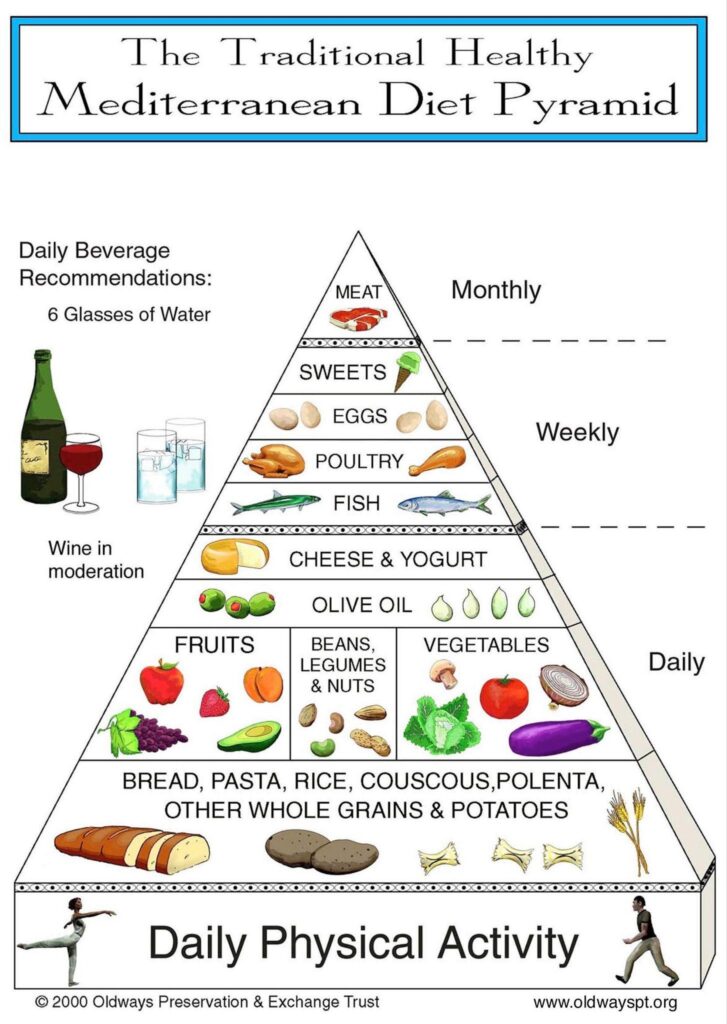
Figure 1 The Mediterrian Food Pyramid(https://www.lose-weight-with-us.com/mediterraneandiet.html)
Figure 2 The DASH Food Pyramid (https://www.localcircles.com/a/public/post/dash-diet-a-diet-to-avoid-hypertension/83148cy)
Reducing sodium intake is essential in managing and decreasing the risk of hypertension. High sodium levels can lead to increased blood pressure, putting extra strain on the cardiovascular system. Studies indicate that cutting down on sodium can significantly lower blood pressure and thus reduce the risk of heart disease and stroke. The Mediterranean Diet rich in fruits, vegetables, whole grains, and healthy fats (like olive oil and nuts), and the DASH (Dietary Approaches to Stop Hypertension) diet, emphasizing low sodium and rich in potassium, magnesium, and calcium, have both been shown to protect against coronary heart disease. Additionally, maintaining adequate protein and albumin levels is essential for heart health. Proteins are necessary for the repair and maintenance of tissues, including the heart muscle. Albumin, a type of protein found in the blood, helps in maintaining oncotic pressure (which keeps fluid from leaking out of blood vessels) and plays a role in transporting hormones, vitamins, and drugs throughout the body. Overall, a diet rich in plant-based foods and fatty fish, combined with an active lifestyle, promotes cardiovascular well-being.
In summary, reducing sodium intake, following protective diets like Mediterranean and DASH, ensuring adequate protein and albumin levels, adopting a diet rich in plant-based foods and fatty fish, and maintaining an active lifestyle form a robust strategy for promoting cardiovascular well-being.
Summary
Nutritional supplements have the potential to significantly enhance heart function and boost energy production, particularly for individuals dealing with heart failure and conditions like anemia. Numerous studies indicate that certain supplements may effectively lower cholesterol levels, improve blood pressure, manage inflammation, and promote better blood circulation—all contributing to improved overall cardiovascular health. However, the role of these supplements in preventing severe cardiovascular events, such as heart attacks or strokes, remains uncertain. Patients, often struggling with fatigue due to both heart failure and anemia, face significant challenges that impact their quality of life and place a burden on healthcare systems. Researchers are exploring nutritional assessment and supplementation as promising avenues for enhancing the health outcomes of those suffering from heart failure, low energy levels, and anemia. These efforts focus on identifying specific nutritional needs and integrating appropriate supplements—such as iron for anemia and omega-3 fatty acids for heart health—to support overall cardiovascular wellness.
However, it is crucial to emphasize that nutritional supplements should be viewed as adjuncts to, rather than replacements for, a heart-healthy lifestyle. A balanced diet rich in whole foods, regular physical activity tailored to individual capabilities, and effective stress management techniques remain essential components for promoting heart health and overall well-being.
Who are the Experts
Below are prominent researchers and medical professionals specializing in cardiovascular health and energy production, along with their areas of expertise, affiliations, and notable contributions to the field.
1. Dr. Douglas Seals
- Affiliation: Integrative Physiology Department, University of Colorado Boulder, USA
- Expertise: Dr. Seals is a leading expert in cardiovascular aging, arterial health, and energy metabolism. His work focuses on vascular endothelial function, oxidative stress, and lifestyle interventions such as exercise, dietary nitrates, and supplements to enhance cardiovascular performance and energy production.
- Key Contributions: He is internationally recognized for exploring how aging and modifiable factors influence arterial function and mitochondrial energy production in cardiovascular systems.
- Contact: Through the University of Colorado Boulder Faculty Page.
2. Dr. Andrew Weil
- Specialty: Integrative Medicine, Nutritional Science, Energy Balance
- Work/Contributions:
- Dr. Weil is known for his work in integrative medicine, blending conventional medicine with alternative treatments and dietary interventions.
- He has written extensively on how nutrition and lifestyle factors influence overall vitality and well-being.
- Author of “Healthy Aging” and “The Healthy Kitchen”.
- He often recommends anti-inflammatory diets, herbs, and supplements to maintain energy and vitality as people age.
- Website: Dr. Andrew Weil
3. Dr. Andrew N. Hoare
- Affiliation: Centre for Cardiovascular Science, University of Edinburgh, UK
- Expertise: Dr. Hoare’s research focuses on nitric oxide signaling, endothelial function, and energy metabolism in cardiovascular health. He studies the effects of dietary and pharmacological interventions to optimize cardiovascular energy efficiency.
- Key Contributions: His work sheds light on how nitric oxide (NO) donors and dietary nitrates improve mitochondrial efficiency, arterial function, and cardiovascular resilience.
- Contact: Through the University of Edinburgh Research Page.
4. Dr. Rhonda Patrick
- Specialty: Nutritional Science, Longevity, Energy Optimization
- Work/Contributions:
- Dr. Patrick is an expert in the fields of aging, longevity, and nutrition, with a focus on how nutrition can optimize energy production and cellular health.
- She is particularly known for her work on the role of micronutrients and supplements (like vitamin D, magnesium, and omega-3 fatty acids) in promoting energy and vitality.
- Host of the FoundMyFitness podcast, where she discusses various aspects of health, nutrition, and energy.
- Website: https://www.foundmyfitness.com/
Positions and Views of Worldwide Governmental Medical and Health Organizations
Governmental and international health organizations emphasize a balanced diet and proper nutrition as key factors in maintaining heart health, energy levels, and overall vitality. Here are the main positions from leading health organizations:
1. World Health Organization (WHO)
The WHO promote a diet rich in whole foods, emphasizing fruits, vegetables, whole grains, lean proteins, and healthy fats. They warn against excessive intake of processed and ultra-processed foods, as these contribute to non-communicable diseases like heart disease and diabetes. They also advocate for policies such as front-of-pack labeling to help consumers make informed food choices.
2. World Heart Federation (WHF)
The WHF highlights the importance of minimizing processed foods, trans fats, and excessive salt and sugar consumption. It encourages choosing unsaturated fats over saturated fats and prioritizing whole, minimally processed foods. The organization also supports initiatives to educate consumers and policymakers on food labeling and nutrition.
3. American Heart Association (AHA)
The AHA recommends a heart-healthy diet that includes:
- A variety of fruits and vegetables
- Whole grains
- Healthy protein sources (mostly plant-based, with lean meats and fish)
- Non-tropical vegetable oils
- Minimal added sugars and processed foods
- Little to no alcohol intake
They emphasize reading nutrition labels to reduce sodium, added sugars, and saturated fats.
4. U.S. Department of Agriculture (USDA)
The USDA provides dietary guidelines similar to those of the AHA, focusing on balanced nutrition, portion control, and nutrient-dense foods. They highlight the importance of whole grains, lean proteins, and reducing sodium, saturated fats, and added sugars.
5. National Institute of Health (NIH)
The NIH Office of Dietary Supplements (ODS) plays a crucial role in advancing the scientific research of dietary supplements. Its primary mission is to coordinate research across various federal agencies to explore the potential health benefits and risks of dietary supplements, including vitamins, minerals, herbs, and amino acids. The ODS is part of the National Institutes of Health (NIH), and its activities span a wide range of initiatives such as funding research, conducting systematic reviews, and developing resources for both healthcare professionals and the public.
The ODS aims to improve public health by supporting studies that assess the safety, efficacy, and quality of dietary supplements. It also works on developing analytical methods to ensure the reliability of supplements available on the market. A significant focus is placed on understanding how supplements contribute to health maintenance and chronic disease prevention, particularly in underserved populations.
Most of these organizations agree that a well-balanced diet should provide necessary nutrients without the need for supplements. However, in cases of specific deficiencies (e.g., omega-3s, vitamin D, or iron), supplements may be beneficial. The AHA cautions against relying on supplements over whole foods, as some supplements can have adverse effects or interact with medication.
Governments and health agencies consistently promote whole foods, reduced processed food consumption, and moderation in fats, sugar, and salt to improve heart health, energy, and vitality. They encourage lifestyle modifications over reliance on supplements unless medically necessary.
Nonprofits and Private Organizations
No need to use “Header 2”. Use bullet points.
Social Media Contributors
Here are some notable social media communities and influencers dedicated to health, diet, and energy vitality, particularly concerning heart health:
1. Health and Fitness Communities & Influencers:
- Ari Cohen (Instagram, 100K+ followers): A nutrition and fitness coach focusing on sustainable health, fitness tips, and healthy recipes. His audience largely consists of individuals aged 30-50, where he educates on lifestyle choices for long-term health
adfirehealth.com
afluencer.com - Dinh Viet Nguyen (Instagram, 100K+ followers): Specializes in calisthenics, mental health, and fitness, motivating his followers with impactful videos and messages. His high engagement rate is a testament to his influence in the fitness and wellness community
afluencer.com - Karissa Fox (Instagram, 100K+ followers): A holistic health influencer who shares her journey with a rare neurological issue while promoting non-toxic beauty and wellness. She focuses on a well-rounded lifestyle that integrates health, family, and mental well-being
afluencer.com
2. Relevant Podcasts and Platforms:
- Dr. Andrew Weil: A renowned physician who promotes integrative medicine. He uses his platforms to share advice on heart health, energy vitality, and holistic lifestyle changes, advocating for a balanced diet and stress management
adfirehealth.com - The Notorious Pharmacist (TikTok, 208K followers): While this influencer focuses on pharmaceutical education, they frequently discuss myths around diet and supplements, helping followers separate fact from fiction
acsh.org
3. Facebook Groups and Online Communities:
- Health and Wellness Communities on Facebook: Many groups exist around diet tips, heart health, and vitality. These groups provide peer support and shared experiences, particularly for chronic conditions related to diet and lifestyle choices.
These communities and influencers provide valuable insights into how diet, supplements, and lifestyle choices contribute to energy and heart health. They also help debunk myths and encourage informed decision-making in areas that affect vitality and overall wellness.
Bibliography
The bibliography uses the style “Bibliography”, defined as Times New Roman, size 12, alignment justified, single spacing, paragraph spacing is 0 before and 6 after, hanging indentation 1.27 cm (0.5 inch). Don’t copy-paste the bibliography from other word docx, regenerate the reference list please.
“9 Foods High in Nitrates and Their Benefits.” Accessed February 18, 2025. https://www.realsimple.com/foods-high-in-nitrates-8404830.
“21 CFR 310.518 — Drug Products Containing Iron or Iron Salts.” Accessed December 11, 2024. https://www.ecfr.gov/current/title-21/part-310/section-310.518.
Ahluwalia, Amrita, Mark Gladwin, Gary D. Coleman, Norman Hord, George Howard, Daniel B. Kim‐Shapiro, Martin Lajous, et al. “Dietary Nitrate and the Epidemiology of Cardiovascular Disease: Report From a National Heart, Lung, and Blood Institute Workshop.” Journal of the American Heart Association: Cardiovascular and Cerebrovascular Disease 5, no. 7 (July 6, 2016): e003402. https://doi.org/10.1161/JAHA.116.003402.
Albert, Christine M., Hannia Campos, Meir J. Stampfer, Paul M. Ridker, JoAnn E. Manson, Walter C. Willett, and Jing Ma. “Blood Levels of Long-Chain n-3 Fatty Acids and the Risk of Sudden Death.” The New England Journal of Medicine 346, no. 15 (April 11, 2002): 1113–18. https://doi.org/10.1056/NEJMoa012918.
Armstrong, Gavin R. “The Lucky Iron Fish: A Simple Solution for Iron Deficiency.” Blood Advances 1, no. 5 (January 24, 2017): 330. https://doi.org/10.1182/bloodadvances.2016000521.
Armstrong, Lawrence E., and Evan C. Johnson. “Water Intake, Water Balance, and the Elusive Daily Water Requirement.” Nutrients 10, no. 12 (December 5, 2018): 1928. https://doi.org/10.3390/nu10121928.
Barros, Vanessa Novaes. “The Heart Cycle: Review.” Women’s Health 8, no. 1 (2019): 66–69. https://doi.org/10.15406/mojwh.2019.08.00214.
Bendich, Adrianne, and Ronit Zilberboim. “Iron and Women’s Health.” In Iron Deficiency and Overload, edited by Shlomo Yehuda and David I. Mostofsky, 327–50. Totowa, NJ: Humana Press, 2009. https://doi.org/10.1007/978-1-59745-462-9_19.
Bennett, Paul, and Douglas Carroll. “Stress Management Approaches to the Prevention of Coronary Heart Disease.” British Journal of Clinical Psychology 29, no. 1 (February 1990): 1–12. https://doi.org/10.1111/j.2044-8260.1990.tb00843.x.
Berger, A., Peter J. H. Jones, and S. Abumweis. “Lipids in Health and Disease,” 2004. https://www.semanticscholar.org/paper/Lipids-in-Health-and-Disease-Berger-Jones/3b0261e0283beb65a01486fcfca884dfd68edf7b.
Bhupathiraju, Shilpa N., and Katherine L. Tucker. “Coronary Heart Disease Prevention: Nutrients, Foods, and Dietary Patterns.” Clinica Chimica Acta 412, no. 17–18 (August 2011): 1493–1514. https://doi.org/10.1016/j.cca.2011.04.038.
Buratti, Paolo, Elena Gammella, Ilona Rybinska, Gaetano Cairo, and Stefania Recalcati. “Recent Advances in Iron Metabolism: Relevance for Health, Exercise, and Performance.” Medicine & Science in Sports & Exercise 47, no. 8 (August 2015): 1596–1604. https://doi.org/10.1249/MSS.0000000000000593.
Calder, Philip C. “Marine Omega-3 Fatty Acids and Inflammatory Processes: Effects, Mechanisms and Clinical Relevance.” Biochimica Et Biophysica Acta 1851, no. 4 (April 2015): 469–84. https://doi.org/10.1016/j.bbalip.2014.08.010.
“Cancer: Carcinogenicity of the Consumption of Red Meat and Processed Meat.” Accessed February 5, 2025. https://www.who.int/news-room/questions-and-answers/item/cancer-carcinogenicity-of-the-consumption-of-red-meat-and-processed-meat.
Chaddha, Ashish, and Kim A. Eagle. “Omega-3 Fatty Acids and Heart Health.” Circulation 132, no. 22 (December 2015). https://doi.org/10.1161/CIRCULATIONAHA.114.015176.
Cleveland Clinic. “Coenzyme Q10 Supplement: Uses & Side Effects.” Accessed December 12, 2024. https://my.clevelandclinic.org/health/drugs/20097-coenzyme-q10-capsules-and-tablets.
Corliss, Julie. “Nitrates in Food and Medicine: What’s the Story?” Harvard Health, February 1, 2022. https://www.health.harvard.edu/heart-health/nitrates-in-food-and-medicine-whats-the-story.
“Daily Iron Supplementation for Improving Anaemia, Iron Status and Health in Menstruating Women – Low, MSY – 2016 | Cochrane Library.” Accessed January 14, 2025. https://www.cochranelibrary.com/cdsr/doi/10.1002/14651858.CD009747.pub2/full.
Dellavalle, Diane M., and Jere D. Haas. “Iron Status Is Associated with Endurance Performance and Training in Female Rowers.” Medicine & Science in Sports & Exercise 44, no. 8 (August 2012): 1552–59. https://doi.org/10.1249/MSS.0b013e3182517ceb.
Department of Chemistry St. Andrew’ P.G. College Gorakhpur, and Dr. C. P Gupta. “Role of Iron (Fe) in Body.” IOSR Journal of Applied Chemistry 7, no. 11 (2014): 38–46. https://doi.org/10.9790/5736-071123846.
“Dietary Supplementation with N-3 Polyunsaturated Fatty Acids and Vitamin E after Myocardial Infarction: Results of the GISSI-Prevenzione Trial.” The Lancet 354, no. 9177 (August 7, 1999): 447–55. https://doi.org/10.1016/S0140-6736(99)07072-5.
Elad, D., and S. Einav. “CHAPTER 3 PHYSICAL AND FLOW PROPERTIES OF BLOOD,” 2005. https://www.semanticscholar.org/paper/CHAPTER-3-PHYSICAL-AND-FLOW-PROPERTIES-OF-BLOOD-Elad-Einav/c1142c6fc7e25d329b5bc211b7888a71c345c955.
Erkkilä, Arja T., and Alice H. Lichtenstein. “Fiber and Cardiovascular Disease Risk: How Strong Is the Evidence?” The Journal of Cardiovascular Nursing 21, no. 1 (January 2006): 3–8. https://doi.org/10.1097/00005082-200601000-00003.
Eshera, Yasmine M., Lyubov Gavrilova, and Joel W. Hughes. “Sleep Is Essential for Cardiovascular Health: An Analytic Review of the Relationship Between Sleep and Cardiovascular Mortality.” American Journal of Lifestyle Medicine 18, no. 3 (May 2024): 340–50. https://doi.org/10.1177/15598276231211846.
Evidence Reviews for Risk Factors and Symptoms and Signs for Vitamin B12 Deficiency: Vitamin B12 Deficiency in over 16s: Diagnosis and Management: Evidence Review B. NICE Evidence Reviews Collection. London: National Institute for Health and Care Excellence (NICE), 2024. http://www.ncbi.nlm.nih.gov/books/NBK603365/.
“Fiber for Heart, Cholesterol, and Digestive Health.” Accessed November 21, 2024. https://www.webmd.com/vitamins-and-supplements/supplement-guide-fiber.
“FISH OIL: Overview, Uses, Side Effects, Precautions, Interactions, Dosing and Reviews.” Accessed December 5, 2024. https://www.webmd.com/vitamins/ai/ingredientmono-993/fish-oil.
Fishbane, Steven. “Anemia Management: A Historical Perspective.” Kidney International Supplements 11, no. 1 (April 2021): 3–7. https://doi.org/10.1016/j.kisu.2020.12.004.
Furst, Branko, and José González-Alonso. “The Heart, a Secondary Organ in the Control of Blood Circulation.” Experimental Physiology, December 21, 2023. https://doi.org/10.1113/EP091387.
Gencer, Baris, Luc Djousse, Omar T. Al-Ramady, Nancy R. Cook, JoAnn E. Manson, and Christine M. Albert. “Effect of Long-Term Marine ɷ-3 Fatty Acids Supplementation on the Risk of Atrial Fibrillation in Randomized Controlled Trials of Cardiovascular Outcomes: A Systematic Review and Meta-Analysis.” Circulation 144, no. 25 (December 21, 2021): 1981–90. https://doi.org/10.1161/CIRCULATIONAHA.121.055654.
GoodRx. “Nitric Oxide Supplements: What They Are, Benefits, Side Effects.” Accessed December 11, 2024. https://www.goodrx.com/well-being/supplements-herbs/nitric-oxide-supplement.
Griffin, R. Morgan. “Conenzyme Q10 (CoQ10): Should You Take Supplements?” WebMD. Accessed December 12, 2024. https://www.webmd.com/diet/supplement-guide-coenzymeq10-coq10.
Hallberg, L. “Advantages and Disadvantages of an Iron-Rich Diet.” European Journal of Clinical Nutrition 56, no. S1 (March 1, 2002): S12–18. https://doi.org/10.1038/sj.ejcn.1601348.
Harris, W. S., H. N. Ginsberg, N. Arunakul, N. S. Shachter, S. L. Windsor, M. Adams, L. Berglund, and K. Osmundsen. “Safety and Efficacy of Omacor in Severe Hypertriglyceridemia.” Journal of Cardiovascular Risk 4, no. 5–6 (1997): 385–91.
Healthline. “7 Best Magnesium Supplements for 2025,” July 27, 2020. https://www.healthline.com/nutrition/best-magnesium-supplement.
Healthline. “CoQ10 (Coenzyme Q10) Dosage,” September 4, 2018. https://www.healthline.com/nutrition/coq10-dosage.
Healthline. “Vegetarian Foods That Are Loaded with Iron,” May 4, 2017. https://www.healthline.com/nutrition/iron-rich-plant-foods.
Heffernan, A., C. Evans, M. Holmes, and J. B. Moore. “The Regulation of Dietary Iron Bioavailability by Vitamin C: A Systematic Review and Meta-Analysis.” Proceedings of the Nutrition Society 76, no. OCE4 (January 2017): E182. https://doi.org/10.1017/S0029665117003445.
Hill, Alison M, Jennifer A Fleming, and Penny M Kris-Etherton. “The Role of Diet and Nutritional Supplements in Preventing and Treating Cardiovascular Disease.” Current Opinion in Cardiology 24, no. 5 (September 2009): 433–41. https://doi.org/10.1097/HCO.0b013e32832f2fb1.
HMP Global Learning Network. “Nutrition 411: The Importance of Adequate Hydration,” December 1, 2009. https://www.hmpgloballearningnetwork.com/site/wmp/article/nutrition-411-importance-adequate-hydration.
Houston, Mark. “The Role of Magnesium in Hypertension and Cardiovascular Disease.” The Journal of Clinical Hypertension 13, no. 11 (November 2011): 843–47. https://doi.org/10.1111/j.1751-7176.2011.00538.x.
Hu, Frank B., and Walter C. Willett. “Optimal Diets for Prevention of Coronary Heart Disease.” JAMA 288, no. 20 (November 27, 2002): 2569–78. https://doi.org/10.1001/jama.288.20.2569.
“Iron Nutrient Overview: The Role It Plays in Our Health.” Accessed December 11, 2024. https://www.healthline.com/health/iron-nutrient.
“Iron Rich Food Guide.” Accessed December 5, 2024. https://www.redcrossblood.org/donate-blood/dlp/iron-rich-food-guide.html.
“Iron-Rich Food,” n.d.
Jain, Monika. “COMBATING IRON DEFICIENCY ANAEMIA THROUGH FOOD-TO-FOOD FORTIFICATION: RECIPE DEVELOPMENT, IRON BIOAVAILABILITY AND EFFECT OF SUPPLEMENTATION,” 2013. https://www.semanticscholar.org/paper/COMBATING-IRON-DEFICIENCY-ANAEMIA-THROUGH-RECIPE-OF-Jain/81e3df9a97612be65776e4ae32fb02e87081d8a2.
Kapil, Vikas, Rayomand S. Khambata, Amy Robertson, Mark J. Caulfield, and Amrita Ahluwalia. “Dietary Nitrate Provides Sustained Blood Pressure Lowering in Hypertensive Patients.” Hypertension 65, no. 2 (February 2015): 320–27. https://doi.org/10.1161/HYPERTENSIONAHA.114.04675.
Kapil, Vikas, Alexandra B. Milsom, Michael Okorie, Sheiva Maleki-Toyserkani, Farihah Akram, Farkhanda Rehman, Shah Arghandawi, et al. “Inorganic Nitrate Supplementation Lowers Blood Pressure in Humans: Role for Nitrite-Derived NO.” Hypertension 56, no. 2 (August 2010): 274–81. https://doi.org/10.1161/HYPERTENSIONAHA.110.153536.
Kapoor, P., and A. Kapoor. “Coenzyme Q 10 – A Novel Molecule,” 2013. https://www.semanticscholar.org/paper/Coenzyme-Q-10-%E2%80%93-A-novel-molecule-Kapoor-Kapoor/2dca66e3dd33573e57682f915b9bd5ff41d0e9cd.
Katan, Martijn B., Scott M. Grundy, Peter Jones, Malcolm Law, Tatu Miettinen, and Rodolfo Paoletti. “Efficacy and Safety of Plant Stanols and Sterols in the Management of Blood Cholesterol Levels.” Mayo Clinic Proceedings 78, no. 8 (August 2003): 965–78. https://doi.org/10.4065/78.8.965.
Keller, Rosa M., Laura Beaver, M. Catherine Prater, and Norman G. Hord. “Dietary Nitrate and Nitrite Concentrations in Food Patterns and Dietary Supplements.” Nutrition Today 55, no. 5 (October 2020): 218. https://doi.org/10.1097/NT.0000000000000253.
King, Lori M. and PhD. “Foods High in Nitrates.” WebMD. Accessed December 11, 2024. https://www.webmd.com/diet/foods-high-in-nitrates.
Lan, Tuo, Mei Wang, Matthew J. Ehrhardt, Shu Jiang, Jennifer Q. Lanctot, Gregory T. Armstrong, Melissa M. Hudson, Graham A. Colditz, Leslie L. Robison, and Yikyung Park. “Adherence to Healthy Diet and Risk of Cardiovascular Disease in Adult Survivors of Childhood Cancer in the St. Jude Lifetime Cohort: A Cross-Sectional Study.” BMC Medicine 21, no. 1 (July 3, 2023): 242. https://doi.org/10.1186/s12916-023-02956-x.
Lanska, Douglas j. “Chapter 30 Historical Aspects of the Major Neurological Vitamin Deficiency Disorders: The Water-Soluble B Vitamins.” In Handbook of Clinical Neurology, edited by Michael J. Aminoff, François Boller, and Dick F. Swaab, 95:445–76. History of Neurology. Elsevier, 2009. https://doi.org/10.1016/S0072-9752(08)02130-1.
Laquale, Kathleen M. “B-Complex Vitamins’ Role in Energy Release.” Athletic Therapy Today 11, no. 6 (November 2006): 70–73. https://doi.org/10.1123/att.11.6.70.
Lichtenstein, Alice H., Lawrence J. Appel, Maya Vadiveloo, Frank B. Hu, Penny M. Kris-Etherton, Casey M. Rebholz, Frank M. Sacks, Anne N. Thorndike, Linda Van Horn, and Judith Wylie-Rosett. “2021 Dietary Guidance to Improve Cardiovascular Health: A Scientific Statement From the American Heart Association.” Circulation 144, no. 23 (December 7, 2021): e472–87. https://doi.org/10.1161/CIR.0000000000001031.
Lidder, Satnam, and Andrew J. Webb. “Vascular Effects of Dietary Nitrate (as Found in Green Leafy Vegetables and Beetroot) via the Nitrate-Nitrite-Nitric Oxide Pathway.” British Journal of Clinical Pharmacology 75, no. 3 (March 2013): 677–96. https://doi.org/10.1111/j.1365-2125.2012.04420.x.
Lundberg, Jon O., Mattias Carlström, Filip J. Larsen, and Eddie Weitzberg. “Roles of Dietary Inorganic Nitrate in Cardiovascular Health and Disease.” Cardiovascular Research 89, no. 3 (February 15, 2011): 525–32. https://doi.org/10.1093/cvr/cvq325.
Martínez-González, Miguel A., Alfredo Gea, and Miguel Ruiz-Canela. “The Mediterranean Diet and Cardiovascular Health.” Circulation Research 124, no. 5 (March 2019): 779–98. https://doi.org/10.1161/CIRCRESAHA.118.313348.
Mayo Clinic. “Fish Oil.” Accessed December 11, 2024. https://www.mayoclinic.org/drugs-supplements-fish-oil/art-20364810.
Melanson, Kathleen J. “Dietary Factors in Reducing Risk of Cardiovascular Diseases.” American Journal of Lifestyle Medicine 1, no. 1 (January 2007): 24–28. https://doi.org/10.1177/1559827606294793.
Mori, Trevor A. “Marine OMEGA-3 Fatty Acids in the Prevention of Cardiovascular Disease.” Fitoterapia 123 (November 2017): 51–58. https://doi.org/10.1016/j.fitote.2017.09.015.
Mortensen, Svend A., Franklin Rosenfeldt, Adarsh Kumar, Peter Dolliner, Krzysztof J. Filipiak, Daniel Pella, Urban Alehagen, Günter Steurer, Gian P. Littarru, and Q-SYMBIO Study Investigators. “The Effect of Coenzyme Q10 on Morbidity and Mortality in Chronic Heart Failure: Results from Q-SYMBIO: A Randomized Double-Blind Trial.” JACC. Heart Failure 2, no. 6 (December 2014): 641–49. https://doi.org/10.1016/j.jchf.2014.06.008.
Muckenthaler, Martina U., Stefano Rivella, Matthias W. Hentze, and Bruno Galy. “A Red Carpet for Iron Metabolism.” Cell 168, no. 3 (January 2017): 344–61. https://doi.org/10.1016/j.cell.2016.12.034.
My Food Data. “Top 10 Foods Highest in Magnesium,” November 10, 2024. https://www.myfooddata.com/articles/foods-high-in-magnesium.php.
Narayan, Rupa. “Meet Psyllium: A Fiber Product with Potential Cardioprotective Effects,” 2005. https://www.semanticscholar.org/paper/Meet-Psyllium%3A-A-Fiber-Product-with-Potential-Narayan/c00ffc1d651e84ce31506d1591345458b49cda19.
nhs.uk. “Vitamins and Minerals – B Vitamins and Folic Acid,” October 23, 2017. https://www.nhs.uk/conditions/vitamins-and-minerals/vitamin-b/.
Niedworok, E., M. Muc-Wierzgoń, E. Nowakowska-Zajdel, L. Dul, and K. Klakla. “Magnesium Content in Daily Food Portions and the Influence of Supplementation.” International Journal of Immunopathology and Pharmacology 24, no. 4 (October 2011): 975–81. https://doi.org/10.1177/039463201102400415.
Nielsen, F. H., and H. C. Lukaski. “Update on the Relationship between Magnesium and Exercise.” Magnesium Research 19, no. 3 (September 2006): 180–89.
“Office of Dietary Supplements – Iron.” Accessed December 11, 2024. https://ods.od.nih.gov/factsheets/Iron-HealthProfessional/.
“Office of Dietary Supplements – Iron.” Accessed December 4, 2024. https://ods.od.nih.gov/factsheets/Iron-HealthProfessional/.
“Office of Dietary Supplements – Magnesium.” Accessed February 5, 2025. https://ods.od.nih.gov/factsheets/Magnesium-HealthProfessional/.
“Office of Dietary Supplements – Omega-3 Fatty Acids.” Accessed December 11, 2024. https://ods.od.nih.gov/factsheets/Omega3FattyAcids-HealthProfessional/.
“Office of Dietary Supplements – Vitamin B6.” Accessed December 12, 2024. https://ods.od.nih.gov/factsheets/VitaminB6-HealthProfessional/.
Oluwole, Oluwatoyin B. “Dietary Iron Intake in Nigeria.” Novel Techniques in Nutrition & Food Science 1, no. 4 (April 11, 2018). https://doi.org/10.31031/NTNF.2018.01.000519.
Onwuzo, Chidera, John o Olukorode, Olutomiwa A Omokore, Oluwatobi S Odunaike, Raymond Omiko, Osadebamwen w Osaghae, Walid Sange, et al. “DASH Diet: A Review of Its Scientifically Proven Hypertension Reduction and Health Benefits.” Cureus 15, no. 9 (n.d.): e44692. https://doi.org/10.7759/cureus.44692.
Petchetti, Lavanya, William H. Frishman, Richard Petrillo, and Kolanuvada Raju. “Nutriceuticals in Cardiovascular Disease: Psyllium.” Cardiology in Review 15, no. 3 (May 2007): 116–22. https://doi.org/10.1097/01.crd.0000242964.74467.27.
“Physical Activity and Public Health: Updated Recommendation for Adults From the American College of Sports Medicine and the American Heart Association.” Circulation 116, no. 9 (August 28, 2007): 1081–93. https://doi.org/10.1161/CIRCULATIONAHA.107.185649.
Piquereau, Jérôme, Solène E. Boitard, Renée Ventura-Clapier, and Mathias Mericskay. “Metabolic Therapy of Heart Failure: Is There a Future for B Vitamins?” International Journal of Molecular Sciences 23, no. 1 (December 21, 2021): 30. https://doi.org/10.3390/ijms23010030.
Rahman, Shamima, and Matthias Baumgartner. “B Vitamins: Small Molecules, Big Effects.” Journal of Inherited Metabolic Disease 42, no. 4 (July 2019): 579–80. https://doi.org/10.1002/jimd.12127.
Rajesh, Kumar, M I Khan, Prasad Mahesh, Srivastav Ritesh Kumar, and Srivastav Shiv Kumar. “Preclinical and Clinical Role of Coenzyme Q10 Supplementation in Various Pathological States.” Drug Research 72, no. 07 (September 2022): 367–71. https://doi.org/10.1055/a-1835-1738.
Reynolds, Andrew, Jim Mann, John Cummings, Nicola Winter, Evelyn Mete, and Lisa Te Morenga. “Carbohydrate Quality and Human Health: A Series of Systematic Reviews and Meta-Analyses.” The Lancet 393, no. 10170 (February 2, 2019): 434–45. https://doi.org/10.1016/S0140-6736(18)31809-9.
Seals, Douglas R., Vienna E. Brunt, and Matthew J. Rossman. “Keynote Lecture: Strategies for Optimal Cardiovascular Aging.” American Journal of Physiology-Heart and Circulatory Physiology 315, no. 2 (August 1, 2018): H183–88. https://doi.org/10.1152/ajpheart.00734.2017.
Services, Department of Health & Human. “Vitamin B.” Department of Health & Human Services. Accessed December 12, 2024. http://www.betterhealth.vic.gov.au/health/healthyliving/vitamin-b.
Shechter, Michael, Tomer Saad, Alon Shechter, Nira Koren-Morag, Burton B. Silver, and Shlomi Matetzky. “Comparison of Magnesium Status Using X-Ray Dispersion Analysis Following Magnesium Oxide and Magnesium Citrate Treatment of Healthy Subjects.” Magnesium Research 25, no. 1 (March 1, 2012): 28–39. https://doi.org/10.1684/mrh.2012.0305.
Shults, Clifford W., David Oakes, Karl Kieburtz, M. Flint Beal, Richard Haas, Sandy Plumb, Jorge L. Juncos, et al. “Effects of Coenzyme Q10 in Early Parkinson Disease: Evidence of Slowing of the Functional Decline.” Archives of Neurology 59, no. 10 (October 2002): 1541–50. https://doi.org/10.1001/archneur.59.10.1541.
Siervo, Mario, Jose Lara, Shakir Chowdhury, Ammar Ashor, Clio Oggioni, and John C. Mathers. “Effects of the Dietary Approach to Stop Hypertension (DASH) Diet on Cardiovascular Risk Factors: A Systematic Review and Meta-Analysis.” The British Journal of Nutrition 113, no. 1 (January 14, 2015): 1–15. https://doi.org/10.1017/S0007114514003341.
Siscovick, David S., Thomas A. Barringer, Amanda M. Fretts, Jason H.Y. Wu, Alice H. Lichtenstein, Rebecca B. Costello, Penny M. Kris-Etherton, et al. “Omega-3 Polyunsaturated Fatty Acid (Fish Oil) Supplementation and the Prevention of Clinical Cardiovascular Disease.” Circulation 135, no. 15 (April 11, 2017): e867–84. https://doi.org/10.1161/CIR.0000000000000482.
Šmid, Anja Neža, Petra Golja, Vedran Hadžić, Ensar Abazović, Kristina Drole, and Armin H. Paravlic. “Effects of Oral Iron Supplementation on Blood Iron Status in Athletes: A Systematic Review, Meta-Analysis and Meta-Regression of Randomized Controlled Trials.” Sports Medicine 54, no. 5 (May 2024): 1231–47. https://doi.org/10.1007/s40279-024-01992-8.
Smith, A. David, Stephen M. Smith, Celeste A. de Jager, Philippa Whitbread, Carole Johnston, Grzegorz Agacinski, Abderrahim Oulhaj, Kevin M. Bradley, Robin Jacoby, and Helga Refsum. “Homocysteine-Lowering by B Vitamins Slows the Rate of Accelerated Brain Atrophy in Mild Cognitive Impairment: A Randomized Controlled Trial.” PloS One 5, no. 9 (September 8, 2010): e12244. https://doi.org/10.1371/journal.pone.0012244.
St‐Onge, Marie‐Pierre, and Peter J. H. Jones. “Phytosterols and Human Lipid Metabolism: Efficacy, Safety, and Novel Foods.” Lipids 38, no. 4 (April 2003): 367–75. https://doi.org/10.1007/s11745-003-1071-3.
Tangvoraphonkchai, Kamonwan, and Andrew Davenport. “Magnesium and Cardiovascular Disease.” Advances in Chronic Kidney Disease 25, no. 3 (May 2018): 251–60. https://doi.org/10.1053/j.ackd.2018.02.010.
Tardy, Anne-Laure, Etienne Pouteau, Daniel Marquez, Cansu Yilmaz, and Andrew Scholey. “Vitamins and Minerals for Energy, Fatigue and Cognition: A Narrative Review of the Biochemical and Clinical Evidence.” Nutrients 12, no. 1 (January 16, 2020): 228. https://doi.org/10.3390/nu12010228.
“The 10 Best Foods to Boost Nitric Oxide Levels.” Accessed November 20, 2024. https://www.healthline.com/nutrition/nitric-oxide-foods.
The Nutrition Source. “Fiber,” September 18, 2012. https://nutritionsource.hsph.harvard.edu/carbohydrates/fiber/.
ucsfhealth.org. “Fiber Supplements.” Accessed December 12, 2024. https://www.ucsfhealth.org/education/fiber-supplements.
Udipi, Shobha, Padmini Ghugre, and Chanda Gokhale. “Iron, Oxidative Stress and Health.” In Oxidative Stress – Molecular Mechanisms and Biological Effects, edited by Volodymyr Lushchak. InTech, 2012. https://doi.org/10.5772/34975.
US EPA, OCSPP. “Health Effects of Exposures to Mercury.” Overviews and Factsheets, September 3, 2015. https://www.epa.gov/mercury/health-effects-exposures-mercury.
US News & World Report. “7 Best Iron Supplements for 2024, Ranked by Pharmacists | U.S. News.” Accessed December 11, 2024. https://health.usnews.com/otc/rankings/iron-supplements.
Verywell Health. “Can Phytosterol Supplements Lower Your Cholesterol?” Accessed December 12, 2024. https://www.verywellhealth.com/phytosterol-supplement-side-effects-697586.
Volpe, Stella Lucia. “Magnesium and the Athlete:” Current Sports Medicine Reports 14, no. 4 (2015): 279–83. https://doi.org/10.1249/JSR.0000000000000178.
Whitbourne, Kathryn. “Anatomy and Circulation of the Heart.” WebMD. Accessed December 5, 2024. https://www.webmd.com/heart-disease/high-cholesterol-healthy-heart.
Wong, A., A. Niedzwiecki, and M. Rath. “Myocardial Energetics and the Role of Micronutrients in Heart Failure: A Critical Review.” American Journal of Cardiovascular Disease, 2016. https://www.semanticscholar.org/paper/Myocardial-energetics-and-the-role-of-in-heart-a-Wong-Niedzwiecki/9eefb4702d528de2d421ea4cd1b3ad01f08bb7bf.
Zhang, Y., P. Zhuang, W. He, J. N. Chen, W. Q. Wang, N. D. Freedman, C. C. Abnet, J. B. Wang, and J. J. Jiao. “Association of Fish and Long-Chain Omega-3 Fatty Acids Intakes with Total and Cause-Specific Mortality: Prospective Analysis of 421 309 Individuals.” Journal of Internal Medicine 284, no. 4 (October 2018): 399–417. https://doi.org/10.1111/joim.12786.
Zirpoli, Hylde, Chuchun L. Chang, Yvon A. Carpentier, Adina T. Michael-Titus, Vadim S. Ten, and Richard J. Deckelbaum. “Novel Approaches for Omega-3 Fatty Acid Therapeutics: Chronic Versus Acute Administration to Protect Heart, Brain, and Spinal Cord.” Annual Review of Nutrition 40, no. Volume 40, 2020 (August 21, 2020): 161–87. https://doi.org/10.1146/annurev-nutr-082018-124539.

