Report Author: Jasmin Akther Hossain
Report Date: May 10, 2025
Table of Contents
Introduction
Blood circulation is a fundamental physiological process that sustains life in the human body. It involves the continuous movement of blood through a closed system of blood vessels, driven primarily by the heart’s pumping action.
The Circulatory System
The circulatory system consists of three main components: the heart, which acts as the pump that generates the pressure gradients needed to drive blood throughout the body; blood vessels, which are the delivery routes through which blood travels, including arteries, arterioles, capillaries, venules, and veins; and blood, which serves as the transport medium for various substances essential for bodily functions.
The circulatory system is divided into two main loops: the pulmonary circulation, which carries blood between the heart and the lungs, and the systemic circulation, which transports blood between the heart and all other organs and body tissues.1
The Journey of Blood
Blood flows through the circulation primarily due to the heart’s pumping action. The journey begins as blood is pumped from the left ventricle through arteries and arterioles to the capillaries. In the capillaries, the blood equilibrates with the interstitial fluid. From there, it drains through venules into the veins and back to the right atrium of the heart.2
Functions of Blood Circulation
The circulatory system performs several crucial functions. It supplies oxygen and substances absorbed from the gastrointestinal tract to the tissues. It returns carbon dioxide to the lungs and other metabolic products to the kidneys for elimination. The circulatory system also plays a role in regulating body temperature, distributing hormones and other agents that regulate cell function throughout the body, and helping distribute signals of the immune system.3
Significance of the Topic
The significance of blood circulation cannot be overstated. It is often considered the “keystone of life” for several reasons. The microcirculation, which includes the smallest blood vessels like capillaries, is the only place where body cells have direct access to blood. This allows for essential exchanges of nutrients, gases, and waste products.4
By facilitating the transport of various substances, blood circulation helps maintain the body’s internal environment in a stable state. Proper blood flow is crucial for the functioning of all organs. Under normal conditions, blood flow is distributed to various organs in specific proportions, such as 14% to the brain, 4% to the heart, 27% to the internal organs, 15% to muscles, 22% to the kidneys and 18% to skin and other tissues. The circulatory system can adjust blood flow to different tissues based on their needs. This is achieved through local chemical and general neural and humoral mechanisms that can dilate or constrict blood vessels. In conclusion, blood circulation is a complex and vital system that ensures the proper functioning of the entire body. Its ability to transport essential substances, remove waste, and adapt to changing physiological needs makes it indispensable for life.5
A diet rich in plant-based foods, lean proteins, and heart-healthy fats supports optimal blood circulation and cardiovascular health. Specific nutrients that promote healthy blood flow include omega-3 fatty acids, antioxidants, polyphenols, and nitrates. These compounds can improve endothelial function, lower blood pressure, and increase blood flow.6 Foods like cocoa, green tea, and berries are particularly beneficial due to their high flavonoid content that can improve blood circulation.7 Additionally, vitamin D and B may contribute to vascular health. Dietary patterns such as the Mediterranean and DASH diets, which emphasize these nutrient-rich foods, have shown positive effects on cardiovascular function.8 Regular physical activity, including aerobic exercises, strength training, and flexibility exercises, further enhances blood flow and cognitive function. Combining a healthy diet with exercise leads to improved vascular health and cognitive benefits.
Specific Nutrient: Omega-3 fatty acids
What is it
Omega-3 fatty acids are a class of polyunsaturated fats essential for human health, with three main types: Eicosapentaenoic acid (EPA) and Docosahexaenoic acid (DHA), which are found in marine sources like fatty fish, and Alpha-linolenic acid (ALA) found in plant sources like flaxseed and walnuts. They have been shown to improve blood flow through various mechanisms, including anti-thrombotic effects, lowered blood pressure, and improved endothelial function. The human body cannot synthesize omega-3 fatty acids and must obtain them through diet. 9 Omega-3s are also important for cardiovascular, neurological, and inflammatory regulation.10
How it Works
Omega-3 fatty acids play a crucial role in promoting healthy blood circulation by influencing various physiological mechanisms that enhance vascular function and reduce the risk of cardiovascular diseases.
Omega-3 fatty acids, particularly eicosapentaenoic acid (EPA) and docosahexaenoic acid (DHA), help prevent the formation of blood clots (thrombosis) by reducing platelet aggregation. By making platelets less “sticky,” omega-3s lower the likelihood of clot formation, which can otherwise obstruct blood vessels and lead to conditions like heart attacks and strokes. Omega-3s have been shown to lower systolic and diastolic blood pressure, contributing to overall vascular health. They achieve this by reducing inflammation, improving arterial flexibility, and enhancing nitric oxide production, a molecule that relaxes blood vessels, improving blood flow and reducing blood pressure. Lower blood pressure reduces strain on the heart and improves circulation, decreasing the risk of hypertension-related complications and supports overall cardiovascular health. 11
Omega-3s also improve endothelial function by reducing oxidative stress, increasing nitric oxide production, and decreasing inflammation. The endothelium is the thin inner lining of blood vessels that regulates vascular tone and blood flow. A well-functioning endothelium ensures proper vasodilation, prevents arterial stiffness, and maintains optimal circulation, reducing the risk of cardiovascular diseases.
Omega-3 fatty acids help prevent and slow the progression of atherosclerosis, a condition characterized by the buildup of fatty plaques in the arteries. These plaques can narrow blood vessels, restricting blood flow and increasing the risk of heart attacks and strokes. 12
Omega-3s reduce LDL (bad) cholesterol, increase HDL (good) cholesterol, and lower triglycerides, all of which contribute to a healthier cardiovascular system. Omega-3s lower triglyceride levels by decreasing the rate at which the liver produces triglycerides and by increasing the rate of triglyceride breakdown. They also increase the levels of lipoproteins that are involved in the transport and clearance of triglycerides from the blood.13
Regular consumption of omega-3-rich foods or supplements has been linked to improved cardiovascular health, reduced inflammation, and enhanced circulation. Adopting a diet rich in these essential fatty acids, particularly in combination with other heart-healthy foods like leafy greens, nuts, and whole grains, can significantly support overall vascular function and long-term health.14
What the Research is Telling us
Over the past few decades, research on omega-3 fatty acids has significantly expanded, focusing on their effects on cardiovascular health, their ability to improve heart health, blood circulation, and related outcomes.
A comprehensive review by Jeong et al. (2013) evaluated the effect of omega-3 fatty acids on blood flow. The researchers found significant evidence supporting the beneficial role of dietary omega-3 fatty acids in improving blood flow. The potential mechanisms behind these benefits include anti-thrombotic effects, lowered blood pressure, improved endothelial function, and anti-atherogenic effects. The review examined 112 human studies, of which 84 reported significant effects on improving blood flow. Interestingly, the daily intake amounts in these studies ranged from 0.1 to 15 g. Based on their systematic review methodology, the authors concluded that there was possible evidence to support a relation between omega-3 fatty acid intake and blood flow. 15
One of the primary ways omega-3 fatty acids improve blood circulation is through their effects on blood vessels. Research has demonstrated that these fatty acids improve endothelial function, which is crucial for maintaining healthy blood flow.16 They also promote vasodilation by relaxing smooth muscle cells in the blood vessel walls, further enhancing circulation. Omega-3 fatty acids exhibit antioxidant and anti-inflammatory properties in blood vessels, which can help protect against damage and maintain vascular health. Additionally, they have antithrombotic effects, reducing the risk of blood clot formation that could impede circulation. Another important aspect of vascular health is the development and stability of atherosclerotic plaques. Omega-3 fatty acids have been found to delay the development of these plaques and increase their stability, which can help prevent blockages in blood vessels. Furthermore, they contribute to decreasing arterial wall stiffening, allowing for better blood flow throughout the body. The study has also found that supplementation with these fatty acids can decrease average 24-hour blood pressure levels specifically, in hypertensive patients and those with high-normal blood pressure tend to experience greater benefits.
Omega-3 fatty acids also have significant effects on blood rheology, which refers to the flow properties of blood. These effects can have important implications for circulation, especially in smaller blood vessels. Research has shown that omega-3 supplementation can lead to a decrease in plasma viscosity. Habon et al. (2002) conducted a prospective clinical study involving 60 patients diagnosed with cardiovascular diseases, such as coronary artery disease and hypertension, who received 2.4 grams/day of omega-3 fatty acids for 12 weeks. The researchers evaluated hemodynamic parameters including blood pressure, cardiac output, and systemic vascular resistance, along with hemorheologic factors such as plasma viscosity and red blood cell deformability. Their results demonstrated a 5 mmHg reduction in systolic blood pressure, an 8% decrease in systemic vascular resistance, and a 12% reduction in plasma viscosity, all contributing to improved blood circulation and decreased cardiovascular burden. Furthermore, lipid profiles were significantly improved, with a 25% reduction in triglycerides and an 8% increase in HDL cholesterol.17 This reduction in viscosity can improve blood flow, particularly in smaller blood vessels where resistance to flow is higher.
Another study by Nestel et al. (2002) showed omega-3 fatty acids can decrease the peripheral resistance of arteries. He studied 18 healthy middle-aged individuals in a controlled intervention where participants were supplemented with 2.4 grams/day of EPA and DHA for 6 weeks. The researchers measured systemic arterial compliance and total peripheral resistance pre- and post-intervention. Results demonstrated a 7% decrease in total peripheral resistance and a marked improvement in systemic arterial compliance, indicating less vascular stiffness.18 These changes enhance blood flow efficiency, lower blood pressure, and reduce cardiovascular strain, contributing to a decreased risk of vascular-related conditions.
A clinical trial involving 71 volunteers divided into five groups assessed the impact of different sources of n-3 fatty acids on serum incorporation, blood lipid profiles, and cellular activation. Three groups consumed 400 g/week of either smoked salmon, cooked salmon, or cooked cod for 8 weeks, while a fourth group received 15 mL/day of cod liver oil (CLO), and a fifth group served as controls. Despite a lower intake of EPA and DHA (1.2 g/day from cooked salmon versus 3.0 g/day from CLO), the cooked salmon group achieved a greater increase in serum EPA (129%) and DHA (45%) compared to the CLO group (106% and 25%, respectively). The study concluded that fish consumption is more effective than cod liver oil in increasing serum n-3 fatty acids, possibly due to differences in the physiochemical structure of lipids in fish compared to CLO.19
While omega-3s, particularly EPA and DHA, are widely known for their cardiovascular benefits, recent clinical trials suggest that high doses (≥4 g/day) may elevate atrial fibrillation (AF) risk. A study published in Circulation explores the association between omega-3 fatty acid supplementation and an increased risk of AF. 20 The proposed mechanisms include alterations in cardiac electrophysiology, increased susceptibility to atrial remodeling, and potential pro-arrhythmic effects on ion channels. Large trials, such as REDUCE-IT (Reduction of Cardiovascular Events with Icosapent Ethyl-Intervention Trial) and OMEMI (Omega-3 Fatty Acids in Elderly With Myocardial Infarction), have reported higher incidences of AF in participants taking omega-3 supplements compared to control groups. These findings suggest that while omega-3s offer cardioprotective benefits, individuals, especially those with existing heart conditions, should consult their healthcare provider before taking high doses, as the risk-benefit balance may vary based on individual health profiles.
In conclusion, omega-3 fatty acids have wide-ranging effects on blood circulation. From improving vascular function and lowering blood pressure to enhancing blood rheology and overall haemodynamics, these fatty acids play a crucial role in maintaining and improving cardiovascular health. While more research is needed to fully understand their mechanisms and optimal use in clinical practice, the existing evidence strongly supports the benefits of omega-3 fatty acids for circulatory health.
Current Consensus: Omega-3 supplementation is widely endorsed by health organizations like the American Heart Association, though more research is needed to determine long-term impacts on mortality rates. 21
Dosage Recommendation Based on Research
Many studies have shown that omega-3 fatty acids reduce cardiovascular disease and improve outcomes. To achieve a significant blood pressure reduction, research suggests that a dose of at least 3-4 g/day of omega-3 fatty acids is likely required.22 Although it is unclear whether plant-derived omega-3 fatty acids (ie, ALA) or fish-derived omega-3 fatty acids (ie, DHA, EPA) are more important for the heart, both should be a part of a healthy diet. Evidence suggests that 0.5 to 1.8 g/d of combined EPA and DHA, either as fatty fish or through supplement capsules, is recommended; 1.5 to 3 g/d of ALA is also beneficial, either through plant-based foods or supplement capsules. The American Heart Association dietary guidelines recommend including at least 2 servings of fatty fish per week in a healthy diet. 23
Table 1 Dosage Recommendation for Omega-3 Fatty Acids
| Nutrient | What’s the Daily Recommended Intake? | How much do I take? | Don’t take more than… | When will I see results? | ||
|---|---|---|---|---|---|---|
| Age | Male | Female | ||||
| EPA+DHA | Adult | 1.6g | 1.1g | 500–1,000 mg daily | 4,000 mg per day | 6–12 weeks for significant effects |
| coronary heart disease, approximately 1 g/day | ||||||
| high triglyceride levels, 4 g/day | ||||||
Facts and Misconceptions
A common misconception is that omega-3s can only be obtained from fish. While fish are rich sources, plant-based foods such as flaxseeds, chia seeds, and walnuts also provide ALA, which can be beneficial despite the low conversion rate to EPA and DHA.24 Additionally, algae-based supplements offer a direct plant-based source of DHA and EPA, making them a suitable alternative for vegetarians and vegans. Incorporating a variety of omega-3 sources into the diet can help support heart health, brain function, and overall well-being. Another misconception is that high doses are always safe: While omega-3s can be taken in higher doses for specific therapeutic benefits, very high doses (above 3,000-4,000 mg/day) may increase the risk of bleeding and cause side effects like gastrointestinal distress.25 There are also misconceptions that supplements are superior to dietary sources. But whole food sources like fish provide additional nutrients not found in supplements.
Food Sources
Natural sources of omega-3s can be divided into marine and plant-based categories. Marine sources are particularly rich in omega-3 fatty acids, with fatty fish being the most notable. Varieties such as salmon, sardines, mackerel, and tuna are excellent sources, providing high levels of eicosapentaenoic acid (EPA) and docosahexaenoic acid (DHA), the two most beneficial forms of omega-3 for human health.26 Shellfish, including oysters and mussels, are also good sources of these essential fats.
On the other hand, plant-based sources primarily contain alpha-linolenic acid (ALA), a type of omega-3 fatty acid. Flaxseeds, chia seeds, and walnuts are among the best plant-based sources. Additionally, soybeans and spinach contribute to the intake of ALA.27
Table 2 Food Sources for Omega-3 fatty acids
| Food | Grams per serving | ||
|---|---|---|---|
| ALA | DHA | EPA | |
| Flaxseed oil, 1 tbsp | 7.26 | – | |
| Chia seeds, 1 ounce | 5.06 | – | – |
| English walnuts, 1 ounce | 2.57 | – | – |
| Flaxseed, whole, 1 tbsp | 2.35 | – | – |
| Salmon, Atlantic, farmed, cooked, 3 ounces | – | 1.24 | 0.59 |
| Salmon, Atlantic, wild, cooked, 3 ounces | – | 1.22 | 0.35 |
| Herring, Atlantic, cooked, 3 ounces | – | 0.94 | 0.77 |
| Canola oil, 1 tbsp | 1.28 | – | – |
| Sardines, canned in tomato sauce, drained, 3 ounces | – | 0.74 | 0.45 |
| Mackerel, Atlantic, cooked, 3 ounces | – | 0.59 | 0.43 |
| Salmon, pink, canned, drained, 3 ounces | 0.04 | 0.63 | 0.28 |
| Soybean oil, 1 tbsp | 0.92 | – | – |
| Trout, rainbow, wild, cooked, 3 ounces | – | 0.44 | 0.40 |
| Black walnuts, 1 ounce | 0.76 | – | – |
| Mayonnaise, 1 tbsp | 0.74 | – | – |
| Oysters, eastern, wild, cooked, 3 ounces | 0.14 | 0.23 | 0.30 |
| Sea bass, cooked, 3 ounces | – | 0.47 | 0.18 |
| Edamame, frozen, prepared, ½ cup | 0.28 | – | – |
| Shrimp, cooked, 3 ounces | – | 0.12 | 0.12 |
| Refried beans, canned, vegetarian, ½ cup | 0.21 | – | – |
| Lobster, cooked, 3 ounces | 0.04 | 0.07 | 0.10 |
| Tuna, light, canned in water, drained, 3 ounces | – | 0.17 | 0.02 |
| Tilapia, cooked, 3 ounces | 0.04 | 0.11 | – |
| Scallops, cooked, 3 ounces | – | 0.09 | 0.06 |
| Cod, Pacific, cooked, 3 ounces | – | 0.10 | 0.04 |
| Tuna, yellowfin, cooked 3 ounces | – | 0.09 | 0.01 |
Supplemental Sources
For those who find it difficult to obtain adequate omega-3s through diet alone, supplemental sources are available. Fish oil capsules and algal oil are common supplements. Algal oil is particularly popular among vegetarians and vegans since it is derived from algae, which is a direct source of DHA. When it comes to bioavailability, research indicates that EPA and DHA from fish oil are more bioavailable than ALA from plant sources, meaning that they are more easily absorbed and utilized by the body.28 A typical fish oil supplement provides about 1,000 mg fish oil, containing 180 mg EPA and 120 mg DHA, but doses vary widely.
Side Effects
While omega-3 fatty acids are generally safe for most individuals, there are some common side effects associated with their consumption. These may include a fishy aftertaste or mild gastrointestinal discomfort.29 While fish consumption is encouraged due to its omega-3 content and cardiovascular benefits, it is recommended to choose low-mercury options such as salmon, sardines, and trout while limiting high-mercury fish like swordfish, king mackerel, and certain types of tuna. This is because a highly toxic form of mercury, methylmercury, accumulates in these fish and shellfish, which, when ingested in high amounts, can affect the nervous system, leading to symptoms such as loss of peripheral vision, muscle weakness, impaired coordination, and sensory disturbances like tingling in the hands and feet. 30
Additionally, omega-3 supplements can interact with certain medications. Notably, they can increase the risk of bleeding when taken alongside anticoagulants, such as warfarin. Taking fish oil supplements might slightly lower blood pressure. Taking these supplements with blood pressure drugs might increase the effects on blood pressure. Some contraceptive drugs might interfere with the effect fish oil typically has on triglycerides.31 Therefore, it is advisable to avoid high doses of omega-3s without consulting a healthcare professional, especially if you are using blood-thinning medications.
While omega-3 fatty acids are considered safe for most individuals when consumed at recommended doses, the FDA has established an upper intake limit of 5 grams per day of EPA and DHA combined from supplements. Higher doses should be taken under medical supervision due to the risk of blood thinning and interactions with anticoagulant medications.32
Legal Status and Availability
In the United States, omega-3 fatty acids are classified as dietary supplements under the Dietary Supplement Health and Education Act (DSHEA) of 1994. As such, they are regulated by the U.S. Food and Drug Administration (FDA), which oversees their manufacturing, labeling, and marketing to ensure safety and quality. However, unlike pharmaceutical drugs, dietary supplements such as omega-3 fatty acids do not require FDA approval before being marketed, provided they are labeled appropriately and do not make unsubstantiated health claims.
For over-the-counter availability, omega-3 fatty acid supplements derived from fish oil, krill oil, or algal oil (plant-based) are widely accessible in pharmacies, health food stores, and online retailers. They are available in various forms, including softgels, capsules, and liquid formulations, with concentrations varying by brand and product type. Algal oil supplements are particularly popular among vegetarians and individuals seeking non-animal sources of omega-3s.
Bottom Line
Omega-3 fatty acids are essential for cardiovascular and overall health. Incorporating two servings of fatty fish per week or supplementing with EPA/DHA provides substantial benefits. However, supplementation should be monitored for individuals with bleeding risks.
Specific Nutrient: Nitrate-rich foods
What is it
Nitrates are naturally occurring compounds that play a critical role in supporting various physiological functions, primarily enhancing blood flow, energy metabolism, and cardiovascular health. They can enhance blood flow by increasing nitric oxide levels, which helps relax and widen blood vessels. Diets have shown numerous benefits, including blood pressure reduction, improved endothelial function, enhanced exercise performance, and protection against ischemia-reperfusion injury, which refers to tissue damage that occurs when blood supply returns to a previously ischemic (oxygen-deprived) area. While restoring blood flow is essential to prevent permanent tissue loss, the sudden influx of oxygen and nutrients can paradoxically cause further damage through oxidative stress, inflammation, and cell death.33 Once consumed, dietary nitrates are converted into nitrites by bacteria in the oral cavity and then further metabolized into nitric oxide (NO) within the bloodstream. Nitric oxide is a potent vasodilator, meaning it relaxes and widens blood vessels. This process improves circulation and ensures oxygen and essential nutrients are efficiently delivered to tissues and organs, particularly during physical and mental stress.34
How it Works
Dietary nitrates, commonly found in vegetables such as beetroot, spinach, and arugula, are converted into nitric oxide (NO) in the body, a molecule critical for vasodilation, blood flow regulation, and overall cardiovascular function. The nitric oxide promotes vasodilation by relaxing blood vessels, thereby reducing systemic vascular resistance and improving blood flow.
Nitric oxide’s role in vascular function is especially important during exercise, where increased oxygen demand in muscles requires efficient blood flow. By promoting better vascular function, nitrates help reduce vascular resistance, enhance oxygen delivery, and optimize physical performance. In addition to improving blood flow, nitrates also contribute to mitochondrial efficiency. They enhance the production of adenosine triphosphate (ATP), the body’s main energy currency, while reducing the oxygen cost of energy production. This process allows muscles to work more efficiently, sustaining performance and delaying the onset of fatigue during prolonged physical activity.
Beyond exercise performance, nitrates have significant cardiovascular benefits. They play a role in regulating blood pressure by promoting arterial elasticity and reducing vascular stiffness, which helps alleviate strain on the heart. Nitrates also support endothelial function, protecting the lining of blood vessels from damage and maintaining healthy blood circulation. Furthermore, nitrates have been shown to help protect against ischemia-reperfusion injury, a condition that can occur when blood supply returns to tissues after a period of oxygen deprivation, such as during a heart attack.35
In times of increased physiological demand, such as aging, intense exercise, or cardiovascular strain, the body’s ability to produce nitric oxide naturally declines, making dietary nitrates even more critical. Athletes, in particular, benefit from nitrate-rich diets, as they support exercise endurance, enhance recovery, and improve overall performance. For older adults, nitrate consumption helps counteract the decline in vascular function, ensuring better blood flow and oxygen delivery to vital organs.36
Insufficient nitrate intake can result in reduced blood flow, diminished exercise capacity, and impaired cardiovascular function. Conversely, a diet rich in nitrates promotes optimal blood circulation, enhances energy efficiency, and protects cardiovascular health. By maintaining adequate nitrate levels, individuals can improve their stamina, support heart function, and enable their bodies to operate at peak performance.
What the Research is Telling us
Research has shown that dietary nitrates positively affect cardiovascular health, boost blood circulation, and enhance exercise performance. A notable study conducted by Lundberg et al. investigated the effects of diets high in nitrates on blood pressure. The findings revealed that individuals consuming nitrate-rich diets experienced a significant reduction in systolic blood pressure, with reported decreases of approximately 5–7 mmHg. This reduction is clinically relevant as even small decreases in systolic blood pressure can lower the risk of cardiovascular events such as stroke and heart attacks. The mechanism behind this effect involves the conversion of dietary nitrates into nitric oxide, which promotes vasodilation by relaxing blood vessels, thereby reducing systemic vascular resistance and improving blood flow.37
One notable study conducted by Kapil et al. provides compelling evidence of how nitrates, particularly from natural sources like beetroot juice, can positively influence blood pressure regulation, a key factor in healthy blood flow. In this randomized controlled trial, 68 individuals with hypertension were recruited to assess the impact of dietary nitrates on their blood pressure. Participants were divided into two groups: one group consumed 250 mL of nitrate-rich beetroot juice daily, while the other group received nitrate-free beetroot juice as a placebo. The intervention lasted for four weeks, followed by a two-week washout period. The study findings were remarkable. Those who consumed the nitrate-rich beetroot juice experienced a significant reduction in both systolic and diastolic blood pressure, with an average decrease of 10 mmHg. This is a substantial outcome, given that even modest reductions in blood pressure can lower the risk of heart disease and stroke. Beyond lowering blood pressure, the study also found increased levels of plasma nitrite in the nitrate-supplemented group. This is an important marker because plasma nitrite is closely linked to nitric oxide (NO) production in the body. Nitric oxide is a vital molecule that relaxes and dilates blood vessels, improving blood flow and reducing the workload on the heart.38
A highly relevant study by Kenjale et al. (2011) investigated the effects of dietary nitrate supplementation on blood flow and exercise performance in patients with peripheral arterial disease (PAD), a condition marked by reduced blood circulation due to narrowed arteries. This double-blind, placebo-controlled crossover study involved participants with PAD consuming either 500 mL of nitrate-rich beetroot juice or a nitrate-depleted placebo. The researchers measured peak walking time on a treadmill and assessed lower limb blood flow using magnetic resonance imaging (MRI). The findings revealed that beetroot juice supplementation significantly improved walking performance, increasing peak walking time by 18% compared to the placebo group. Moreover, the study demonstrated that dietary nitrates promoted vasodilation, enhancing blood flow to the calf muscles during exercise. The researchers measured calf muscle oxygenation (as a proxy for blood flow) using near-infrared spectroscopy (NIRS) during exercise after nitrate supplementation. Calf muscle oxygenation (StO₂) was significantly improved during exercise following nitrate supplementation compared to placebo. Specifically, the time to reach minimum StO₂ during exercise was delayed by about 24% after nitrate supplementation. The rate of decline in muscle oxygenation was significantly slower in the nitrate group compared to the placebo. These improvements in muscle oxygenation suggest better vasodilation and increased blood flow to the exercising calf muscles during walking.39
In terms of overall research outcomes, it is clear that diets rich in nitrates consistently demonstrate positive effects on vascular health and blood circulation. However, while these findings are promising, there remains a need for further investigation into the long-term safety and potential side effects of high-dose nitrate supplementation, especially in individuals without existing health concerns.
Current Consensus: Based on the available evidence, the consensus within the scientific and medical communities is that nitrates derived from natural sources, particularly vegetables, are generally safe and effective in promoting blood circulation. They offer an easy and accessible way for individuals to enhance their heart health through dietary changes. However, the effectiveness and safety of nitrate supplements, as opposed to those obtained through whole foods, require additional scrutiny and research to fully understand their impact on health outcomes.
Dosage Recommendation Based on Research
The World Health Organization’s acceptable daily intake for nitrate is 0-3.7 mg/kg body weight per day or 222 mg/day for a 60-kg adult. 40
Table 3 Dosage Recommendation for Nitrates
| What’s the Daily Recommended Intake? | How much do I take? | Don’t take more than… | When will I see results? | |
|---|---|---|---|---|
| Nitrates (from food) | 0-3.7 mg/kg body weight per day 222 mg/day for a 60-kg adult |
250–500 mg per day | 500 mg daily | 1–2 weeks for BP reduction |
Facts and Misconceptions
Nitrate-rich vegetables, such as beets, spinach, arugula, and lettuce, have been shown to improve blood pressure regulation, enhance endothelial function, and boost exercise efficiency. Numerous clinical studies demonstrate that dietary nitrates contribute to vasodilation by increasing nitric oxide (NO) production, leading to improved blood flow and reduced vascular resistance. However, a common misconception persists that all nitrates are harmful because of their association with processed meats like bacon, sausages, and deli meats. In reality, dietary nitrates from plant sources are fundamentally different in their metabolic pathways and health effects compared to nitrites added as preservatives in processed foods.
When consumed through vegetables, nitrates undergo a beneficial metabolic conversion where oral bacteria reduces them to nitrites, which are then further converted into nitric oxide in the body. This nitric oxide plays a critical role in maintaining vascular tone, lowering blood pressure, and improving oxygen delivery during exercise. In contrast, nitrates from processed meats can form potentially harmful compounds called nitrosamines, especially when exposed to high cooking temperatures, and these compounds have been linked to an increased risk of certain cancers.41
Food Sources
Naturally occurring nitrates found in vegetables, for instance, are converted to nitric oxide, which can help relax blood vessels and lower blood pressure. Additionally, these nitrates may enhance athletic endurance. However, when meat is cooked at high temperatures, nitrates can be converted into nitrosamines, compounds that have been linked to an increased risk of cancer.42
High-nitrate vegetables primarily include leafy greens such as spinach, arugula, swiss chard, and lettuce, as well as root vegetables like beets and radishes. Other notable sources include bok choy, celery, parsley, and cabbage. These vegetables are well-regarded not just for their nutritional content but also for their effects on cardiovascular health due to their nitrate levels.43
Table 4 Food Sources for Nitrates
| Food | Nitrate Content (per 100 grams) |
|---|---|
| Vegetables & Greens | |
| Beets | 250–400 mg |
| Spinach | 150–200 mg |
| Arugula | 250 mg |
| Lettuce | 100–150 mg |
| Swiss Chard | 150 mg |
| Celery | 75–100 mg |
| Radishes | 50–100 mg |
| Beet Greens | 250 mg |
| Bok Choy | 50–100 mg |
| Cabbage | 50 mg |
| Fruits | |
| Watermelon | 10–20 mg |
| Strawberries | Low trace amounts |
Animal Products: Certain meats, dairy products, and fish can contain nitrates, but in lower amounts compared to vegetables. Nitrates and nitrites are commonly added to processed meats such as bacon, ham, hot dogs, and deli meats as preservatives to prevent bacterial growth and enhance flavor. However, when exposed to high heat (such as frying or grilling) or when they react with stomach acids, these compounds can form nitrosamines, which are potentially carcinogenic. Studies have linked high consumption of processed meats containing nitrates and nitrites to an increased risk of colorectal cancer, stomach cancer, and other health issues.44 To minimize risks, it is recommended to opt for nitrate-free or minimally processed meats, consume more plant-based nitrate sources (like leafy greens), and include vitamin C-rich foods in meals, as vitamin C can help inhibit the formation of harmful nitrosamines.
Supplemental Sources
In addition to natural food sources, nitrates are also available in supplemental forms. Common products include beetroot powder, nitrate capsules, and concentrated beet juice. Research indicates that dietary sources of nitrates such as beetroot powder tend to offer better bioavailability and health benefits in comparison to synthetic nitrate supplements. This makes consuming these vegetables a safer and more effective way to obtain the desired health effects associated with nitrates.
Side Effects
Common side effects can include gastrointestinal discomfort or headaches, particularly when consuming high doses. Moreover, nitrates may interact with certain blood pressure medications, potentially enhancing their effects and requiring patients to adjust their dosages accordingly.45 Excessive intake of nitrate supplements can lead to a rare condition called methemoglobinemia, which impairs the blood’s ability to carry oxygen. For this reason, it is advisable to discuss any supplementation with a healthcare provider, especially for individuals with existing health conditions such as low blood pressure, anemia, or those taking specific blood pressure medications, antihypertensive medications, such as ACE inhibitors, beta-blockers, or diuretics, could be at risk for additive hypotensive effects, which may result in excessive drops in blood pressure. Nitrates can also interact with phosphodiesterase-5 inhibitors (e.g., sildenafil/Viagra), leading to dangerously low blood pressure. 46
Legal Status and Availability
In the United States, nitrate and nitric oxide supplements are legally available as dietary supplements and can be purchased over the counter without a prescription. These products are commonly marketed to enhance athletic performance and support cardiovascular health. They are readily accessible through various retail channels, including pharmacies, health food stores, and online platforms such as Amazon.
It’s important to note that while nitrate supplements are available for consumer use, their efficacy and safety are subjects of ongoing research. Individuals considering the use of nitrate supplements should consult healthcare professionals to ensure they are appropriate for their specific health needs and to avoid potential interactions with other medications or health conditions.47
Bottom Line
Nitrate-rich vegetables are a natural and effective way to support cardiovascular health and improve physical performance. Incorporating leafy greens and beets into the diet is a safe strategy, while nitrate supplements should be used cautiously.
Specific Nutrient: Flavonoids
What is it
Flavonoids are a diverse group of phytonutrients (plant compounds) found in various fruits, vegetables, tea, wine, and cocoa. They are known for their antioxidant and anti-inflammatory properties, which contribute to improved blood circulation and cardiovascular health. Flavonoids support vascular function by enhancing endothelial performance, reducing oxidative stress, and modulating blood pressure. These compounds cannot be synthesized by the human body and must be obtained through dietary sources. There are six major subclasses of flavonoids, including flavonols, flavones, flavan-3-ols, flavanones, anthocyanins, and isoflavones, each offering unique health benefits.48
How it Works
Flavonoids promote healthy blood circulation by influencing several physiological mechanisms that enhance vascular function and reduce the risk of cardiovascular diseases.
The endothelium is the inner lining of blood vessels, and its function is crucial for vascular health. Flavonoids stimulate nitric oxide (NO) production, a key molecule responsible for vasodilation (the widening of blood vessels). This process enhances blood flow, reduces arterial stiffness, and lowers blood pressure, ultimately decreasing the risk of cardiovascular disease.
Chronic inflammation is a major contributor to poor circulation and cardiovascular diseases.49 Flavonoids inhibit inflammatory pathways by reducing the production of pro-inflammatory cytokines and suppressing oxidative stress. This mechanism helps protect blood vessels from damage and supports overall heart health.50
Similar to omega-3 fatty acids, flavonoids prevent excessive platelet aggregation by modulating platelet function and reducing clot formation. This lowers the risk of thrombosis, which can lead to life-threatening conditions such as heart attacks and strokes.51
Oxidative stress, caused by an imbalance of free radicals and antioxidants in the body, can damage blood vessels and impair circulation. Flavonoids act as powerful antioxidants, neutralizing harmful free radicals and reducing the progression of atherosclerosis (plaque buildup in arteries).
Certain flavonoids, particularly those found in cocoa, green tea, and citrus fruits, have been shown to lower blood pressure by relaxing blood vessels and improving endothelial function. These compounds help reduce vascular resistance, further enhancing circulation and cardiovascular health.52
What the Research is Telling us
A growing body of research highlights the vital role flavonoids play in enhancing blood circulation and overall cardiovascular health. Their impact on vascular function, blood pressure regulation, and oxidative stress reduction has been extensively studied:
The paper “Important Flavonoids and Their Role as a Therapeutic Agent” highlights the broad therapeutic potential of flavonoid.53 It reviews extensive evidence demonstrating their antioxidant, anti-inflammatory, anticancer, cardioprotective, neuroprotective, antidiabetic, and antimicrobial properties. Specific flavonoid compounds such as kaempferol, morin, tangeretin, and baicalein have garnered particular attention for their ability to target and modulate key biological pathways involved in chronic diseases, especially cardiovascular and neurodegenerative disorders. Kaempferol, found in foods like kale, tea, and broccoli, has demonstrated anti-inflammatory and antioxidant effects by inhibiting pro-inflammatory cytokines and reducing oxidative stress, both of which are central to the development of atherosclerosis and heart disease. It also exhibits neuroprotective actions by preserving neuronal integrity and reducing neuroinflammation in experimental models of Alzheimer’s disease. Morin, a lesser-known flavonoid found in figs and guava, has been shown to protect cardiac tissue from ischemic injury by scavenging free radicals and enhancing antioxidant enzyme activity. Tangeretin, predominantly present in citrus peels, has been found to enhance cognitive function by promoting neurite outgrowth and reducing β-amyloid-induced neurotoxicity, mechanisms implicated in Alzheimer’s disease. Cardiovascularly, it contributes to vascular health by improving endothelial function and reducing blood lipid levels. These compounds collectively illustrate the diverse and targeted ways flavonoids can intervene in disease processes, supporting their therapeutic potential beyond general health maintenance.
Flavonoids have gained considerable attention for their role in supporting cardiovascular health, particularly by improving microcirculation — the circulation of blood in the smallest blood vessels, including capillaries, arterioles, and venules. Efficient microcirculation is essential for the optimal delivery of oxygen and nutrients to tissues and organs, as well as for the removal of metabolic waste products.
A notable randomized, controlled, cross-over trial investigated the impact of flavonoid-rich apple consumption on vascular health markers in individuals at risk for cardiovascular disease (CVD). The study enrolled 30 participants and compared two interventions: consumption of whole apples with skin (high flavonoid apple, HFA) versus apple flesh only (low flavonoid apple, LFA). Both acute effects (after a single dose) and chronic effects (after 4 weeks of daily intake) were assessed. The primary outcome was endothelial function, evaluated using flow-mediated dilation (FMD) of the brachial artery, a widely accepted non-invasive ultrasound method that measures the ability of blood vessels to dilate in response to increased blood flow. The study found that both acute and 4-week consumption of HFA significantly improved FMD responses compared to LFA, indicating enhanced endothelial function in the high-flavonoid group. Compared to LFA control, the HFA results in a significant increase in FMD acutely (0.8%, p < 0.001) and after 4 weeks chronic intake (0.5%, p < 0.001), and in plasma flavonoid metabolites (p < 0.0001). These findings suggest that flavonoids, particularly those found in apple skin, have immediate and sustained benefits on vascular reactivity.54
A comprehensive systematic review and meta-analysis of 14 prospective cohort studies was conducted to assess the relationship between habitual dietary flavonoid intake and the risk of cardiovascular disease (CVD). This review included data from over 500,000 participants across diverse populations, with follow-up durations ranging from 5 to 28 years. 55 The meta-analysis assessed various flavonoid subclasses, including flavan-3-ols, flavonols, flavones, flavanones, anthocyanidins, and proanthocyanidins, and included studies with follow-up durations ranging from 5 to 28 years. The analysis revealed that individuals in the highest flavonoid intake category had a 21% lower risk of CVD events compared to those in the lowest intake category. When broken down by flavonoid subclass, anthocyanidins—found in berries and red/purple fruits—were associated with a 22% reduction in coronary heart disease risk while flavan-3-ols, abundant in tea and cocoa, were linked with a 16% reduction in stroke risk. Similarly, flavonols, found in onions, apples, and leafy greens, were associated with a 14% reduction in overall cardiovascular mortality. Importantly, a dose-response relationship was observed: every 500 mg/day increase in total flavonoid intake was associated with a 5–10% reduction in CVD risk, depending on the subclass.
These findings underscore the cardioprotective effects of dietary flavonoids, which likely act through multiple mechanisms including improved endothelial function, reduced oxidative stress, anti-inflammatory activity, and enhanced nitric oxide bioavailability. Regular intake of flavonoid-rich foods such as berries, tea, dark chocolate, citrus fruits, and leafy greens offers a practical and evidence-based dietary approach to support vascular health and circulation.
Another randomized, double-blind, placebo-controlled crossover clinical trial by Fisher et al. (2003) examined the vascular effects of flavanol-rich cocoa in 27 healthy adults. The primary aim was to evaluate whether short-term consumption of high-flavanol cocoa could improve peripheral vasodilation and endothelial function. Participants were blinded to the intervention, and vascular measurements were taken using a volume-sensitive, calibrated plethysmograph to assess pulse wave amplitude (PWA) at the finger, a validated indicator of peripheral vasodilation and endothelial function. Subjects consumed cocoa beverages containing 821 mg/day of flavanols for five consecutive days. The flavanols were chemically quantified and included potent bioactive compounds such as (−)-epicatechin, (+)-catechin, and procyanidin oligomers. The results demonstrated a significant increase in baseline PWA of approximately 29% (p < 0.001) after four days of flavanol-rich cocoa consumption compared to the placebo phase. Furthermore, the vasodilator response to ischemia (measured by the percent increase in PWA following transient arterial occlusion) was also augmented by 35% (p < 0.01), indicating enhanced endothelial responsiveness and improved microvascular reactivity. These rapid improvements in vascular tone were attributed to the upregulation of nitric oxide (NO) pathways, which are known to mediate vasodilation and maintain vascular homeostasis. The study concluded that acute and short-term consumption of flavanol-rich cocoa induces substantial peripheral vasodilation via NO-dependent mechanisms, providing mechanistic support for the observed cardioprotective effects of flavonoid-rich foods in epidemiological studies.56
These studies reinforce the notion that regular consumption of flavonoid-rich foods can offer protective benefits for vascular health. They highlight the potential role of dietary flavonoids not only in preventing cardiovascular diseases but also in promoting better circulatory function, thereby supporting overall tissue and organ health.
Dosage Recommendation Based on Research
Although there is no official Recommended Dietary Allowance (RDA) for flavonoids, research suggests that consuming at least 500-1,000 mg per day from dietary sources may provide significant cardiovascular benefits. 57
Table 5 Dosage Recommendation for Flavonoids58
| Nutrient | What’s the Daily Recommended Intake? | How much do I take? | Don’t take more than… | When will I see results? |
|---|---|---|---|---|
| Flavanols (catechins, epicatechins) | 500–900 mg/day | 500 mg/day | 1000 mg | 1–2 weeks for endothelial improvements |
| Anthocyanins | 160–320 mg/day | 160 mg/day | 640 mg | 2–4 weeks for blood vessel function |
| Flavonols (quercetin) | 150–500 mg/day | 500mg twice/day | 1000mg | 4–8 weeks for blood pressure reduction |
| flavanones (hesperidin) | 300–600 mg/day | 300 mg/day | 1000 mg | 2–6 weeks for vascular reactivity |
| Proanthocyanidins | 150–300 mg/day | 150 mg/day | 600 mg | 2–4 weeks for capillary strength/flow |
Facts and Misconceptions
While fruits such as berries, citrus, and apples are excellent sources of flavonoids, they are not the only dietary providers of these bioactive compounds. Flavonoids are widely distributed in nature and can be found in a diverse range of foods and beverages. Tea, particularly green and black tea, is among the richest sources of flavonoids, specifically catechins and flavonols, which have been extensively studied for their cardiovascular benefits.59 Similarly, dark chocolate contains high concentrations of flavanols, which have been shown to enhance endothelial function and improve blood circulation. Other flavonoid-rich sources include onions, red wine, soybeans, and various herbs and spices.60 These findings indicate that a well-balanced diet incorporating diverse plant-based foods can provide an abundant supply of flavonoids beyond just fruits. Many consumers believe that flavonoid supplements provide the same or even greater health benefits than dietary sources. However, research suggests that whole foods offer a more effective and bioavailable form of flavonoids due to the presence of complementary nutrients and compounds that enhance their absorption and function. Furthermore, excessive supplementation with flavonoids can lead to potential interactions with medications and adverse effects, such as gastrointestinal distress and altered blood clotting. Therefore, a diet rich in flavonoid-containing whole foods is generally recommended over supplementation for optimal cardiovascular and circulatory health.
Another misconception is that many think all flavonoids have the same effect. Flavonoids are a diverse group of compounds classified into several subclasses, including flavonols, flavones, flavan-3-ols, flavanones, anthocyanins, and isoflavones, each exerting distinct biological effects. For example, flavanols, found in tea and cocoa, are particularly known for their role in enhancing endothelial function and reducing blood pressure.61 Anthocyanins, predominantly found in berries and red wine, have been associated with improved vascular integrity and reduced inflammation.62 Flavones, commonly present in parsley and celery, exhibit strong anti-inflammatory and antioxidant properties. These functional differences highlight the importance of consuming a variety of flavonoid-rich foods to maximize their collective benefits rather than relying on a single flavonoid source.
Food Sources
Flavonoids are beneficial plant compounds found in a wide range of foods and drinks. Rich sources include dark chocolate, green and black tea for flavanols; berries and red grapes for anthocyanins; onions, apples, and leafy greens for flavonols; citrus fruits for flavanones; and grape seeds, red wine, and cocoa for proanthocyanidins. Their typical content per serving ranges from 30 to 500 mg, depending on the food and flavonoid type.63
Table 6 Food sources for Flavonoid
| Nutrient | Food Sources (per-typical serving) | Flavonoid Content (approx. mg) |
|---|---|---|
| Flavanols (catechins, epicatechins) | Dark chocolate (70–85%, 40 g), green tea (1 cup), black tea (1 cup) | 200–500 mg |
| Anthocyanins | Blueberries (½ cup), blackberries, red grapes, cherries | 100–200 mg |
| Flavonols (quercetin, kaempferol) | Onions (½ cup), apples (with skin), kale, broccoli | 50–100 mg |
| Flavanones (hesperidin, naringenin) | Oranges (1 medium), grapefruit, lemon juice (½ cup) | 30–70 mg |
| Proanthocyanidins | Grape seeds, red wine (5 oz), apples, cocoa powder (1 tbsp) | 50–300 mg |
Supplemental Sources
While it is best to get flavonoids from the diet in fresh fruits and vegetables, there are several dietary supplements that can be purchased at a local health food store or drug store. A major caveat is that each brand’s flavonoid content may vary per dose.
Anthocyanins: Bilberry, elderberry, black currant, blueberry, red grape, and mixed berry extracts are available as dietary supplements. No prescription is required in the United States. The anthocyanin content of these products may vary.
Flavan-3-ols: Several tea extracts are available in the U.S. as dietary supplements. Green tea extracts are the most common. Some contain caffeine, while others are decaffeinated. Check the label or consult the manufacturer to determine the amounts of flavan-3-ols and caffeine to be consumed daily.
Flavanones: Citrus bioflavonoid supplements may contain glycosides of hesperetin (hesperidin), naringenin (naringin), and eriodictyol (eriocitrin). Hesperidin is also available in hesperidin-complex supplements, with daily doses from 500 milligrams (mg) to 2 grams (g).
Flavones: Citrus fruit peels and tissues are rich in flavones. Although consumption of these flavones is low, they are found in citrus bioflavonoid complex supplements.
Flavonols: The flavonols aglycone, quercetin, and its glycoside rutin are available as dietary supplements without a prescription in the U.S. Citrus bioflavonoid supplements may also contain quercetin or rutin.
Isoflavones: A 50-milligram soy isoflavone supplement typically includes genistein (genistin; 25 milligrams), daidzein (daidzin; 19 milligrams), and glycitein (glycitin; about 6 milligrams). Smaller amounts of daidzein, genistein, and formononetin are also found in biochanin A-containing supplements (derived from red clover).64
Flavonoid supplements, such as quercetin, resveratrol, and catechin extracts, are available, but whole food sources are generally recommended for maximum benefits. Supplements provide concentrated doses of specific flavonoids, which may be useful for individuals who struggle to meet dietary intake requirements.
While flavonoid supplements can provide additional support, they should be used cautiously, especially for individuals on blood-thinning medications or those with pre-existing medical conditions. Consulting a healthcare professional before taking high-dose flavonoid supplements is recommended.
Side Effects
Flavonoids are generally safe when consumed through food. However, excessive intake from supplements may lead to digestive discomfort, headaches, or interactions with medications such as anticoagulants. It is advisable to consult a healthcare professional before taking high-dose flavonoid supplements.65
Legal Status and Availability
Flavonoid supplements are classified as dietary supplements under FDA regulations and are widely available in health stores and online. While they are not regulated as strictly as pharmaceutical drugs, many flavonoid-rich foods and beverages are commonly consumed as part of a healthy diet.
Bottom Line
Flavonoids play a crucial role in cardiovascular health by supporting blood circulation through anti-inflammatory, antioxidant, and vasodilatory effects. Consuming a diet rich in flavonoid-containing foods can significantly improve vascular function and reduce the risk of heart disease. Prioritizing whole food sources of flavonoids over supplements ensures optimal benefits for overall health.
Specific Nutrient: Vitamin B
What is it
The Vitamin B complex consists of eight essential water-soluble vitamins. These vitamins work synergistically to support energy production, red blood cell formation, vascular function, and nerve signaling — all vital components of healthy blood circulation. These vitamins include Thiamine (B1), which supports energy metabolism and the nervous system; Riboflavin (B2), known for its antioxidant properties and its role in cellular energy production; is especially important for circulation, as it helps regulate cholesterol levels, dilates blood vessels, and improves blood flow, often leading to a warming sensation known as the “niacin flush.” and Pantothenic Acid (B5), which is essential for synthesizing coenzyme A and fatty acid metabolism. Pyridoxine (B6) is important for amino acid metabolism, neurotransmitter synthesis, and hemoglobin production. Biotin (B7) is involved in the metabolism of fatty acids, glucose, and amino acids. Folate (B9) and Cobalamin (B12) are particularly crucial for cardiovascular health because they help regulate homocysteine levels in the blood. Elevated homocysteine is a known risk factor for arterial damage, poor circulation, and cardiovascular disease. Folate and B12 work together to lower homocysteine, supporting vascular integrity and reducing the risk of atherosclerosis.
Overall, optimal intake of B vitamins helps maintain healthy blood vessels, supports red blood cell production, improves oxygen delivery, and reduces cardiovascular risk factors, making them essential for efficient blood circulation and overall heart health.66
How it Works
Vitamin B complex plays a vital role in supporting healthy blood circulation through several key mechanisms. One of the most important functions of B vitamins, particularly vitamin B6 (pyridoxine), vitamin B9 (folate), and vitamin B12 (cobalamin), is their involvement in the production and maturation of red blood cells. These red blood cells are essential for transporting oxygen throughout the body, and an adequate supply ensures that organs and tissues receive the oxygen they need for optimal function. A deficiency in any of these vitamins can lead to anemia, resulting in poor circulation and reduced oxygen delivery to tissues.67
Another critical way in which the vitamin B complex supports circulation is through the regulation of homocysteine levels in the blood. Elevated homocysteine, an amino acid, has been associated with an increased risk of cardiovascular diseases because it can damage the inner lining of blood vessels, promote clot formation, and contribute to the hardening and narrowing of arteries. Vitamins B6, B9, and B12 work together to break down homocysteine, helping to maintain healthy arteries and reduce cardiovascular risk.68
Moreover, vitamins such as B1 (thiamine), B2 (riboflavin), B3 (niacin), B5 (pantothenic acid), and B7 (biotin) are essential for energy metabolism. These vitamins help convert carbohydrates, fats, and proteins from the diet into usable energy. This energy is particularly important for the heart muscle and the vascular system, both of which require a continuous supply of energy to pump blood effectively and maintain vascular tone.
Additionally, niacin (vitamin B3) plays a unique role in promoting blood circulation by helping to dilate blood vessels. This vasodilation improves blood flow to different parts of the body, enhances oxygen and nutrient delivery, and supports healthy blood pressureVitamin B1 and B6 are also crucial for the proper functioning of the nervous system, which controls the contraction and relaxation of blood vessels. This nervous system regulation is important for maintaining stable blood pressure and ensuring efficient circulation.69
Overall, the vitamin B complex contributes to blood circulation by promoting red blood cell production, reducing harmful homocysteine levels, supporting energy metabolism for cardiovascular function, facilitating blood vessel relaxation, and ensuring healthy nerve function for vascular control. Without adequate levels of these essential nutrients, the body’s ability to maintain healthy circulation can be significantly compromised.
What the Research is Telling us
According to various research, the targeted health benefits of the Vitamin B complex are significant. These vitamins enhance energy production, reduce homocysteine levels (which are correlated with cardiovascular disease), improve cognitive function, and help prevent anemia.
Elevated homocysteine levels are associated with an increased risk of cardiovascular disease, including coronary artery disease and stroke. Homocysteine is an amino acid that, when present in excess, can damage blood vessels and promote the development of atherosclerosis. B vitamins, particularly B6 (pyridoxine), B9 (folate), and B12 (cobalamin), play a central role in homocysteine metabolism by facilitating its conversion into methionine or cysteine, thereby reducing its concentration in the blood.
A randomized, double-blind, placebo-controlled trial by Smith et al. (2010) investigated the impact of daily B-vitamin supplementation (vitamins B6, B9 [folic acid], and B12) on plasma homocysteine levels and cognitive function in 168 older adults (aged ≥70 years) with mild cognitive impairment (MCI), a condition considered a risk factor for dementia and Alzheimer’s disease. Participants were randomly assigned to receive either a daily B-vitamin supplement or placebo for 24 months. The intervention group showed a significant reduction in homocysteine levels, by approximately 30%, compared to the placebo group. Elevated homocysteine is a known risk factor for both vascular dysfunction and neurodegeneration, as it promotes oxidative stress and endothelial damage in cerebral blood vessels.
Importantly, the study demonstrated that this biochemical improvement was associated with a slower rate of brain atrophy, particularly in brain regions most vulnerable to Alzheimer’s disease, such as the hippocampus. The authors concluded that lowering homocysteine through B-vitamin supplementation may slow cognitive decline by reducing vascular and inflammatory damage in the brain. These findings reinforce the role of B vitamins not only in maintaining cardiovascular integrity but also in protecting neurological function through enhanced cerebral blood flow and reduced microvascular injury.70
A large-scale meta-analysis was conducted to assess the impact of folic acid supplementation on plasma homocysteine levels and its potential implications for cardiovascular disease (CVD) prevention. The analysis included data from 8 randomized, placebo-controlled trials involving a total of 37,485 individuals who were at elevated risk of cardiovascular events due to factors such as hypertension, prior stroke, or coronary artery disease. These trials varied in duration, with most lasting between 1 and 5 years, and compared the effects of daily folic acid supplementation (ranging from 0.5 to 5 mg/day) against placebo.
The pooled results demonstrated that folic acid supplementation led to a statistically significant reduction in plasma homocysteine levels by approximately 25% compared to placebo.71 Although the reduction in major cardiovascular events (like heart attack and stroke) was not statistically significant in the total population, there was a clear beneficial trend in patients with higher baseline homocysteine levels. The study demonstrated that lowering homocysteine through B vitamins may have protective effects on blood vessels and circulation, especially in individuals with elevated homocysteine.
A case-control study was conducted to assess the association between vitamin B12 deficiency, elevated homocysteine levels (hyperhomocysteinemia), and thrombotic events, with a particular focus on their impact on endothelial function and vascular health. The study enrolled 326 patients with documented thrombosis and 351 matched controls from the same hospital population. In addition to evaluating classic cardiovascular risk factors, the researchers measured serum vitamin B12, red cell folate (RCF), and serum homocysteine concentrations.72 The results revealed that patients in the thrombosis group had significantly lower mean serum vitamin B12 levels (averaging 190 pg/mL) compared to the control group (340 pg/mL), with a statistically significant difference (p < 0.01). Hyperhomocysteinemia, defined as serum homocysteine above 15 µmol/L, was present in 42% of patients in the thrombosis group versus 15% in the control group (p < 0.001). Among those with vitamin B12 deficiency, the average homocysteine level was 24.7 µmol/L, markedly higher than the 13.2 µmol/L observed in B12-sufficient individuals.
Furthermore, patients with both B12 deficiency and elevated homocysteine levels exhibited impaired endothelial function, as measured by flow-mediated dilation (FMD). Their FMD response was reduced by approximately 30% compared to healthy controls, indicating significant endothelial dysfunction. Following a course of vitamin B12 supplementation (typically 1000 mcg intramuscularly per week for 4–6 weeks), serum homocysteine levels decreased by approximately 35–40%. This biochemical improvement was accompanied by a marked enhancement in FMD, which increased by up to 25%, suggesting a measurable improvement in endothelial responsiveness. This study demonstrated a clear, quantifiable relationship between vitamin B12 deficiency, homocysteine metabolism, and vascular function. It provided strong evidence that B12 deficiency contributes to impaired endothelial function and increased arterial stiffness, both of which are risk factors for thrombosis. Importantly, these effects were reversible with appropriate B12 supplementation, underscoring the nutrient’s essential role in maintaining circulatory health and reducing thrombotic risk.
One of the most well-known and influential clinical trials demonstrating the cardiovascular benefits of niacin (vitamin B3) is the Coronary Drug Project (CDP), led by Canner et al. (1986). This was a large, multicenter, randomized, double-blind, placebo-controlled trial conducted in the United States to evaluate the long-term effectiveness of lipid-modifying therapies in men with a prior history of myocardial infarction (heart attack). The study enrolled over 8,300 male participants between the ages of 30 and 64, who were then randomized to receive either 3 grams of niacin per day or a placebo. The treatment period lasted for six years, with an extended follow-up over an additional nine years post-trial. The primary goals were to determine whether niacin could reduce the incidence of recurrent cardiovascular events, improve lipid profiles, and support circulatory health. The trial’s findings were substantial: niacin therapy resulted in a 26% increase in HDL (“good”) cholesterol, which is known for its role in reverse cholesterol transport—removing cholesterol from peripheral tissues and atherosclerotic plaques and transporting it to the liver for excretion. Additionally, niacin significantly lowered triglyceride levels by approximately 28% and produced a modest reduction in LDL (“bad”) cholesterol levels by around 10%. These lipid improvements are especially relevant because elevated LDL and triglycerides are directly linked to endothelial dysfunction, arterial plaque buildup, and impaired blood flow, all of which compromise circulation.73
Overall, the evidence strongly supports the role of B vitamins in cardiovascular health, and blood circulation, particularly in populations with deficiencies.
Current consensus among health experts is that B vitamins are essential for overall health. Supplementation is especially recommended for high-risk groups, including pregnant women, older adults, and individuals with absorption issues, such as those who take the diabetes medication metformin.74
Dosage Recommendation Based on Research
B-group vitamins are found in many foods but are water-soluble and delicate, making them easily destroyed by alcohol and cooking. Food processing can reduce their levels, particularly in white flours, bread, and rice, which are less nutritious than whole grains.
Most B-group vitamins cannot be stored in the body (except B12 and folate, stored in the liver). A poor diet over a few months can lead to a deficiency. Therefore, it’s important to regularly consume adequate amounts of these vitamins as part of a balanced diet.75
Table 7 Dosage Recommendation for Vitamin B
| Vitamin | What’s the Daily Recommended Intake? | How much do I take? | Don’t take more than… | When will I see results? |
|---|---|---|---|---|
| Vitamin B1 | 1.2 mg for men, 1.1 mg for women | Included in multivitamins | No established limit | Immediate energy improvements |
| Vitamin B6 | 1.3 mg for adults | 10–25 mg for deficiency | 100 mg per day | 6–12 weeks for nerve function |
| Vitamin B12 | 2.4 mcg for adults | 250–1,000 mcg for deficiency | No known toxic dose | 4–8 weeks for anemia recovery |
| Folate (B9) | 400 mcg for adults | 400–800 mcg daily for pregnancy | 1,000 mcg per day | 6 weeks for neural health |
Facts and Misconceptions
Despite the numerous benefits, it’s important to distinguish between facts and misconceptions related to the Vitamin B complex. It is a fact that the Vitamin B complex supports energy production, red blood cell formation, and neurological health. However, a common misconception is that high doses of B vitamins will always improve energy levels. In reality, excess intake may only benefit individuals with deficiencies and could pose risks, such as neuropathy from excessive B6.76
Food Sources
Regarding food sources, natural sources of B vitamins include whole grains, pork, nuts, seeds, and various fruits and vegetables. For example, B1 can be found in whole grains, pork, nuts, and seeds, while B2 is abundant in milk, eggs, spinach, and fortified cereals. Meat, fish, peanuts, and fortified grains provide B3, and B6 can be sourced from chickpeas, bananas, and potatoes. Biotin is present in eggs, almonds, and sweet potatoes, while lentils, spinach, and citrus fruits are excellent sources of B9. Cobalamin, or B12, is primarily found in meat, dairy products, and fortified plant-based milks. 77
Each of these vitamins is found in various foods, often from animal and plant sources. Here are some key dietary sources of B vitamins:
Table 8 Food sources for Vitamin B
| Vitamin B Type | Food Sources | Amount per Serving |
|---|---|---|
| Vitamin B1 (Thiamine) | Whole grains (brown rice, oats) | 1 cup cooked brown rice: 0.2 mg |
| Pork | 3-ounce (85g) serving: 0.8 mg | |
| Sunflower seeds | 1 ounce: 0.4 mg | |
| Vitamin B2 (Riboflavin) | Dairy products (milk, yogurt) | 1 cup milk: 0.4 mg |
| Eggs | 1 large egg: 0.3 mg | |
| Almonds | 1 ounce: 0.3 mg | |
| Vitamin B3 (Niacin) | Chicken breast | 3-ounce (85g) serving: 8.5 mg |
| Tuna | 3-ounce serving: 11 mg | |
| Peanuts | 1 ounce: 4 mg | |
| Vitamin B5 (Pantothenic Acid) | Avocados | 1 medium avocado: 2 mg |
| Chicken | 3-ounce serving: 1.3 mg | |
| Sunflower seeds | 1 ounce: 1.0 mg | |
| Vitamin B6 (Pyridoxine) | Chickpeas | 1 cup cooked: 1.1 mg |
| Salmon | 3-ounce serving: 0.5 mg | |
| Potatoes | 1 medium potato: 0.3 mg | |
| Vitamin B7 (Biotin) | Egg yolks | 1 large egg yolk: 10 mcg |
| Almonds | 1 ounce: 1.5 mcg | |
| Sweet potatoes | 1 medium-sized: 2.4 mcg | |
| Vitamin B9 (Folate) | Leafy greens (spinach, kale) | 1 cup cooked spinach: 263 mcg |
| Liver | 3-ounce beef liver: 215 mcg | |
| Legumes (lentils, beans) | 1 cup cooked lentils: 358 mcg | |
| Vitamin B12 (Cobalamin) | Shellfish (clams, oysters) | 3-ounce serving of clams: 84 mcg |
| Fish (salmon, tuna) | 3-ounce salmon: 4.9 mcg | |
| Meat (beef, chicken) | 3-ounce beef: 1.5 mcg |
Supplemental Sources
Vitamin B supplements are available in various forms, including tablets, capsules, gummies, sublingual drops, and injectable solutions. They can be taken as single-vitamin supplements, such as thiamine (B1), riboflavin (B2), niacin (B3), and pyridoxine (B6), or as B-complex supplements, which provide all essential B vitamins in one formulation. Biotin (B7) is commonly found in hair, skin, and nail supplements, while folic acid (B9) and methylfolate are key components of prenatal vitamins. Vitamin B12 is available in multiple forms, including cyanocobalamin (synthetic), methylcobalamin (active and highly absorbable), and hydroxocobalamin (injectable for medical use). B vitamins are also included in multivitamins and fortified foods to support energy metabolism, brain function, and cardiovascular health. Specialty options, such as liposomal B vitamins for enhanced absorption and vegan-friendly B12 sprays or gummies, cater to different dietary needs. Injectable B12 is often recommended for individuals with absorption issues or severe deficiencies. While cyanocobalamin is a widely available form of B12, methylcobalamin may offer enhanced neurological benefits.
Side Effects
Common side effects from high doses of niacin (B3) include flushing, while excessive intake of B6 may lead to neuropathy. Furthermore, B vitamins can interact with various medications, such as metformin, which can reduce B12 absorption, and methotrexate, which affects folate metabolism. Therefore, safety precautions suggest that supplementation should be targeted at specific deficiencies, as excessive intake may disrupt nutrient balance.78
Legal Status and Availability
Legally, B vitamins are recognized as essential nutrients by regulatory bodies such as the FDA and EFSA. They are subject to FDA regulations concerning manufacturing practices and labeling, though they do not require pre-market approval. They can be easily found in multivitamins, fortified foods, and standalone supplements, making it relatively straightforward for individuals to meet their dietary needs for these essential nutrients. Vitamin B supplements are readily available over-the-counter in various retail settings, including pharmacies, health food stores, supermarkets, and online platforms. They are offered in multiple formulations, such as individual B vitamins (e.g., B12, B6) and B-complex combinations, catering to diverse consumer preferences and health needs.
It is advisable for consumers to consult with healthcare professionals before initiating any new supplement regimen, especially if they have underlying health conditions or are taking other medications, to avoid potential interactions and ensure appropriate usage.
Bottom Line
The Vitamin B complex is critical for energy metabolism, neurological health, and cardiovascular function. While a balanced diet can meet most needs, supplementation is beneficial for specific populations, such as pregnant women, older adults, and individuals with absorption impairments.
Specific Nutrient: Potassium
What is it
Potassium is a vital mineral and electrolyte essential for numerous bodily functions, particularly in maintaining fluid balance, nerve transmission, muscle contraction, and cardiovascular health. In addition to regulating intracellular fluid volume, potassium influences acid-base balance and protein synthesis.79 It is naturally found in a variety of foods, especially fruits, vegetables, legumes, and dairy products. Potassium plays a significant role in promoting healthy blood circulation by regulating blood pressure, maintaining electrolyte balance, supporting kidney function, and ensuring optimal function of blood vessels and the heart.80 Since the human body cannot produce potassium, it must be obtained through diet.
How it Works
Potassium is essential for maintaining healthy blood circulation through a variety of well-documented physiological mechanisms. One of its primary roles is to counteract the effects of excess sodium, which is a major contributor to elevated blood pressure and fluid retention. When sodium levels in the body are high, blood volume increases, placing additional strain on the heart and blood vessels. Potassium helps restore balance by promoting natriuresis—the process by which the kidneys excrete sodium in the urine. This leads to a reduction in blood volume, thereby lowering systemic blood pressure and reducing the cardiac workload, ultimately enhancing circulatory efficiency. 81
Beyond blood pressure regulation, potassium plays a crucial role in maintaining vascular tone by facilitating the relaxation of smooth muscle cells in the walls of arteries and arterioles. This process, known as vasodilation, leads to wider blood vessels and improved blood flow, thereby decreasing peripheral resistance and minimizing cardiovascular strain. Potassium is also vital for the electrical activity of excitable cells, particularly within the cardiac conduction system, where it contributes to the generation and propagation of action potentials. This ensures stable heart rhythm and proper myocardial contractility, both of which are fundamental to efficient circulatory function.
Additionally, higher dietary potassium intake has been linked to reduced arterial stiffness and lower risk of atherosclerotic plaque accumulation, two key factors in maintaining vascular flexibility and preventing flow-limiting arterial narrowing. Since arterial stiffness is a strong predictor of cardiovascular morbidity and mortality, potassium’s ability to preserve vascular compliance plays an important role in long-term circulatory health.82
What the Research is Telling us
Potassium is indeed vital for maintaining healthy blood circulation, and several research studies provide detailed evidence for this.
A systematic review and meta-analysis by Lanfranco D’Elia et al., published in Nutrients in 2023, evaluated the impact of potassium supplementation on endothelial function, an essential factor in regulating vascular tone and maintaining circulatory health. The study pooled data from randomized controlled trials (RCTs) to determine whether increasing potassium intake improves flow-mediated dilation (FMD), a validated non-invasive ultrasound marker used to assess endothelial responsiveness. The analysis included eight intervention studies with a total of 320 participants, encompassing both healthy individuals and those with cardiovascular risk factors such as hypertension. Potassium supplementation doses in the included trials ranged from 800 mg/day to over 3500 mg/day, with intervention durations between 2 and 24 weeks. 83 The results showed that potassium supplementation significantly improved FMD, with a mean increase of approximately 1.28% (95% CI: 0.65–1.90) compared to placebo or control groups. This effect was more pronounced in individuals with baseline endothelial dysfunction or elevated blood pressure, suggesting that potassium may exert therapeutic effects particularly in at-risk populations. The meta-analysis found no significant heterogeneity or adverse effects, indicating that potassium supplementation is not only effective but also safe when administered in physiological doses.
The INTERSALT study, published in The British Medical Journal in 1988, is one of the most influential international investigations exploring the relationship between dietary electrolyte intake and blood pressure. This large-scale, cross-sectional study involved 10,079 adults aged 20 to 59 from 52 different population groups across 32 countries. The primary objective was to assess how sodium and potassium intake, as reflected by 24-hour urinary excretion, correlate with blood pressure levels among diverse populations.84 The study found a clear inverse association between potassium excretion and blood pressure, meaning that individuals who consumed more potassium, indicated by higher urinary potassium levels, had significantly lower systolic and diastolic blood pressure. After adjusting for confounding factors such as age, sex, body mass index, alcohol consumption, and sodium intake, the researchers concluded that an increase in potassium intake of approximately 1000 mg per day (25.6 mmol) was associated with a reduction of about 2.5 mmHg in systolic blood pressure. This relationship was consistent across multiple populations and became even more apparent in groups with higher baseline sodium intake.
Potassium also plays a role in vasodilation, the widening of blood vessels, which is essential for good circulation. A research study by Jackson focused on two main ways potassium works in the walls of blood vessels, specifically in vascular smooth muscle cells, which control how tight or relaxed the blood vessels are. 85 The study found that when the level of potassium in the space outside of these muscle cells goes up slightly, it activates special channels called inwardly rectifying potassium (K_IR) channels. These channels help potassium move into the muscle cells, which causes the electrical charge across the cell’s membrane to change. This change, called hyperpolarization, makes it harder for calcium to enter the cells. Since calcium is needed for muscles to contract, less calcium means the muscle cells relax, and the blood vessels widen. Second, potassium increases the activity of the sodium-potassium pump (Na⁺/K⁺-ATPase). This pump works by pushing sodium out of the cell and bringing potassium in. When this pump is more active, it also helps lower the electrical activity inside the muscle cell, again encouraging the muscles to relax and the vessels to dilate.
The study describes that the potassium-driven system is especially helpful when nitric oxide is not available especially in people with conditions like diabetes, high blood pressure, or aging blood vessels. In those cases, potassium provides an important backup system to keep blood flowing smoothly. The study also showed that potassium can reduce the effect of a hormone called angiotensin II, which normally makes blood vessels tighten and raises blood pressure. By weakening angiotensin II’s action, potassium helps keep blood vessels open and blood pressure lower.
Furthermore, research suggests that increased potassium concentrations can reduce the production of harmful free radicals at the level of the endothelial cell. This is important because free radicals can damage the endothelium and impair its function, negatively affecting blood circulation. Potassium may also inhibit the proliferation of vascular smooth muscle cells, which can contribute to the development of high blood pressure and stiffening of the arteries86
One study indicated that a potassium intake of 1.5 g per day could help restore endothelial function and arterial mobility. This occurs through the influence of potassium on the ATPase pump, leading to muscle relaxation and the release of nitric oxide, both of which are beneficial for blood circulation.87
In summary, multiple research studies using various methods, including in vitro, animal, and human studies, demonstrate that potassium is important for healthy blood circulation. It achieves this through its positive effects on endothelial function, reducing arterial stiffness, promoting vasodilation, decreasing oxidative stress, and potentially inhibiting vascular smooth muscle cell proliferation.
The current consensus in the scientific community is that potassium is essential for cardiovascular health and proper blood circulation, particularly for maintaining healthy blood pressure levels and supporting muscle and nerve function. Adequate potassium intake has been consistently associated with a reduced risk of hypertension, stroke, and heart disease. However, while its benefits are well-established, individual responses can vary, especially in people with kidney disorders or those taking medications that affect electrolyte balance. Continued research is important to refine dietary recommendations and better understand potassium’s role in specific health conditions.
Dosage Recommendation Based on Research
The recommended dosage for Potassium can vary depending on individual needs and health conditions. Generally, the typical dosage ranges from 2600 to 3400 milligrams (mg) per day.88
Studies show that potassium intake of around 3,500–4,700 mg/day may help lower blood pressure and reduce the risk of stroke and heart disease, particularly when combined with a lower sodium intake.
Table 9 Dosage Recommendation for Potassium
| What’s the Daily Recommended Intake? | How much do I take? | Don’t take more than… | When will I see results? | |
|---|---|---|---|---|
| Potassium | 2,500 mg to 3,400 mg/day | 2600 – 3400 mg/day | 5,000 – 6,000 mg/day (from food) | 4-8 weeks |
| 3,500–4,700 mg/day may help lower blood pressure |
Facts and Misconceptions
One common misconception is that potassium is only important for athletes, primarily because of its well-known role in muscle function and preventing cramps during exercise. While athletes do require adequate potassium to maintain proper muscle performance, potassium is essential for everyone, regardless of physical activity level. It plays a critical role in regulating heart rhythm, supporting normal blood pressure, and ensuring healthy blood circulation. In fact, potassium helps the heart beat properly and assists in relaxing blood vessel walls, which improves blood flow and reduces strain on the cardiovascular system. These benefits apply equally to sedentary individuals and those who exercise regularly.
Another widespread myth is that bananas are the only good source of potassium. While bananas are indeed a convenient and well-known potassium-rich fruit, they are far from the only option. Many foods contain even higher amounts of potassium than bananas. For example, sweet potatoes, white beans, spinach, avocados, yogurt, and salmon are excellent sources. Eating a variety of whole, minimally processed foods can easily provide the recommended daily intake of potassium, often with even greater nutritional value than relying solely on bananas.
A third misconception is that potassium supplements are always safe. In reality, potassium supplements can be risky if not used under medical supervision, especially in people with impaired kidney function. The kidneys are responsible for regulating potassium levels in the body. If they are not working properly, potassium can accumulate in the blood, leading to hyperkalemia, a condition that can cause muscle weakness, irregular heartbeat, or even sudden cardiac arrest. Unlike potassium from food, which the body regulates naturally, supplements can cause a rapid rise in blood potassium levels, which is why they are generally recommended only when prescribed by a healthcare provider.
Food Sources
Potassium is widely distributed in both plant and animal-based foods, making it readily available through a balanced diet. Fruits and vegetables are especially rich sources, with examples including bananas, oranges, spinach, sweet potatoes, and avocados. Legumes such as soybeans, as well as starchy vegetables like potatoes, also contribute significantly to dietary potassium intake. Animal-based foods including meats, poultry, fish, milk, and yogurt are reliable sources, and nuts further support potassium intake. Importantly, the potassium content of starchy foods varies based on processing; whole grains such as whole-wheat flour and brown rice provide substantially more potassium compared to refined products like white flour and white rice, emphasizing the nutritional advantages of choosing minimally processed foods. 89
Table 10 Food sources for Potassium
| Food | Potassium per Serving |
|---|---|
| Sweet potato (1 medium) | 541 mg |
| Banana (1 medium) | 422 mg |
| Spinach (1 cup, cooked) | 839 mg |
| Avocado (1 medium) | 690 mg |
| White beans (1/2 cup) | 502 mg |
| Yogurt (1 cup) | 380 mg |
| Salmon (3 ounces) | 534 mg |
| Lentils, cooked, (1 cup) | 731mg |
| Rice, brown, medium grain, cooked, (1 cup) | 154mg |
| Orange (1 medium) | 237 mg |
Supplemental Sources
Potassium supplements are available but should only be used under medical supervision, particularly for individuals with kidney conditions or those taking medications affecting potassium balance (e.g., diuretics, ACE inhibitors).
Common supplemental forms include potassium chloride, potassium citrate, and potassium gluconate, typically providing 99 mg per tablet (due to regulatory limits).
Side Effects
Potassium supplements can cause minor gastrointestinal side effects. Chronic ingestion of doses of potassium supplements (e.g., up to 15,600 mg for 5 days) in healthy people can increase plasma levels of potassium, but not beyond the normal range. However, very high amounts of potassium supplements or salt substitutes that contain potassium could exceed the kidneys’ capacity to excrete potassium, causing acute hyperkalemia even in healthy individuals.
The use of potassium salts in certain medications has been associated with small-bowel lesions, causing obstruction, hemorrhage, and perforation. For this reason, FDA requires some oral drugs providing more than 99 mg of potassium to be labeled with a warning.90
Legal Status and Availability
Potassium supplements are regulated as dietary supplements in the U.S. under the DSHEA (1994). Over-the-counter potassium supplements are widely available but limited to 99 mg per dose without prescription due to safety concerns.
Bottom Line
Potassium is a crucial mineral for maintaining healthy blood circulation and cardiovascular function. A diet rich in potassium-containing foods supports normal blood pressure, enhances vascular health, and reduces the risk of stroke and cardiovascular diseases. Emphasizing potassium-rich foods is a safe and effective strategy for promoting long-term circulatory health.
Hydration
Water makes up approximately 80% of blood volume, which means that staying well-hydrated is crucial for maintaining adequate blood volume and stable blood pressure. When the body is dehydrated, blood volume decreases, making it harder for the heart to pump blood and deliver oxygen and nutrients throughout the body. Proper hydration supports optimal vascular function, allowing blood to flow smoothly through the arteries and veins.
In addition to maintaining blood volume, water plays a central role in transporting essential nutrients such as vitamins and minerals to cells and tissues. It also supplies important electrolytes like magnesium, calcium, and fluoride, which are critical for muscle contraction, nerve signaling, and the regulation of osmotic pressure—the fluid balance between the inside and outside of cells. This balance is vital for keeping blood pressure in a healthy range and ensuring that cells function efficiently.91
On average, an adult loses 1 to 2 liters of water per day through urine, along with another liter through breathing, sweating, and bowel movements. These losses increase significantly with exercise, particularly in hot and humid environments, where both fluid and electrolyte depletion are accelerated. Drinking enough water helps replenish these losses, supports heart function, and ensures that muscles, including the heart muscle, can contract effectively, promoting overall circulatory efficiency.92
Dietary Strategy
The impact of dietary patterns on cardiovascular health has garnered significant scientific attention. Diets rich in whole, nutrient-dense foods have been shown to reduce the risk of heart disease, lower blood pressure, improve blood circulation and overall metabolic health. Two dietary approaches—the Mediterranean Diet and the DASH (Dietary Approaches to Stop Hypertension) Diet—are particularly well-supported by research for their cardiovascular benefits.93
Mediterranean Diet
The Mediterranean Diet focuses on whole foods, healthy fats, and plant-based nutrients, reflecting the traditional eating habits of countries like Greece and Italy. This dietary approach emphasizes a high intake of fruits, vegetables, whole grains, and nuts while recommending moderate consumption of fish, poultry, and dairy products. Healthy fats, particularly from olive oil and avocados, play a central role, while red meat and processed foods should be limited. Occasional wine consumption is also a characteristic of this diet.
The Mediterranean Diet supports healthy blood circulation through several well-established mechanisms. Rich in antioxidants, dietary fiber, and heart-healthy fats—particularly from olive oil, nuts, fatty fish, and fresh fruits and vegetables—this diet helps reduce oxidative stress and chronic inflammation, both of which can damage blood vessels and impair circulation. By improving lipid profiles (such as lowering LDL cholesterol and increasing HDL cholesterol) and enhancing insulin sensitivity, the Mediterranean Diet promotes healthier arteries and reduces the progression of atherosclerosis. Importantly, this diet has been shown to increase nitric oxide bioavailability, which improves endothelial function, the ability of blood vessels to dilate and regulate blood flow effectively. Studies have consistently shown that following a Mediterranean dietary pattern lowers the risk of coronary artery disease, reduces arterial stiffness, and supports overall vascular function, making it one of the most effective dietary approaches for maintaining and improving blood circulation. 94
Several significant studies highlight the effectiveness of the Mediterranean Diet. The PREDIMED Study, conducted in 2013 with 7,447 participants, revealed a 30% reduction in cardiovascular events for those following a Mediterranean-style diet enriched with extra virgin olive oil or nuts.95 Additionally, a meta-analysis published in 2019 reviewed 13 studies, finding a 25% lower risk of heart disease among individuals adhering to the Mediterranean Diet.96 These research findings provide strong evidence for the diet’s efficacy in reducing cardiovascular events and improving cholesterol levels. As a result, the Mediterranean Diet is widely endorsed by health organizations as one of the most effective strategies for promoting cardiovascular health.
The Mediterranean Pyramid:
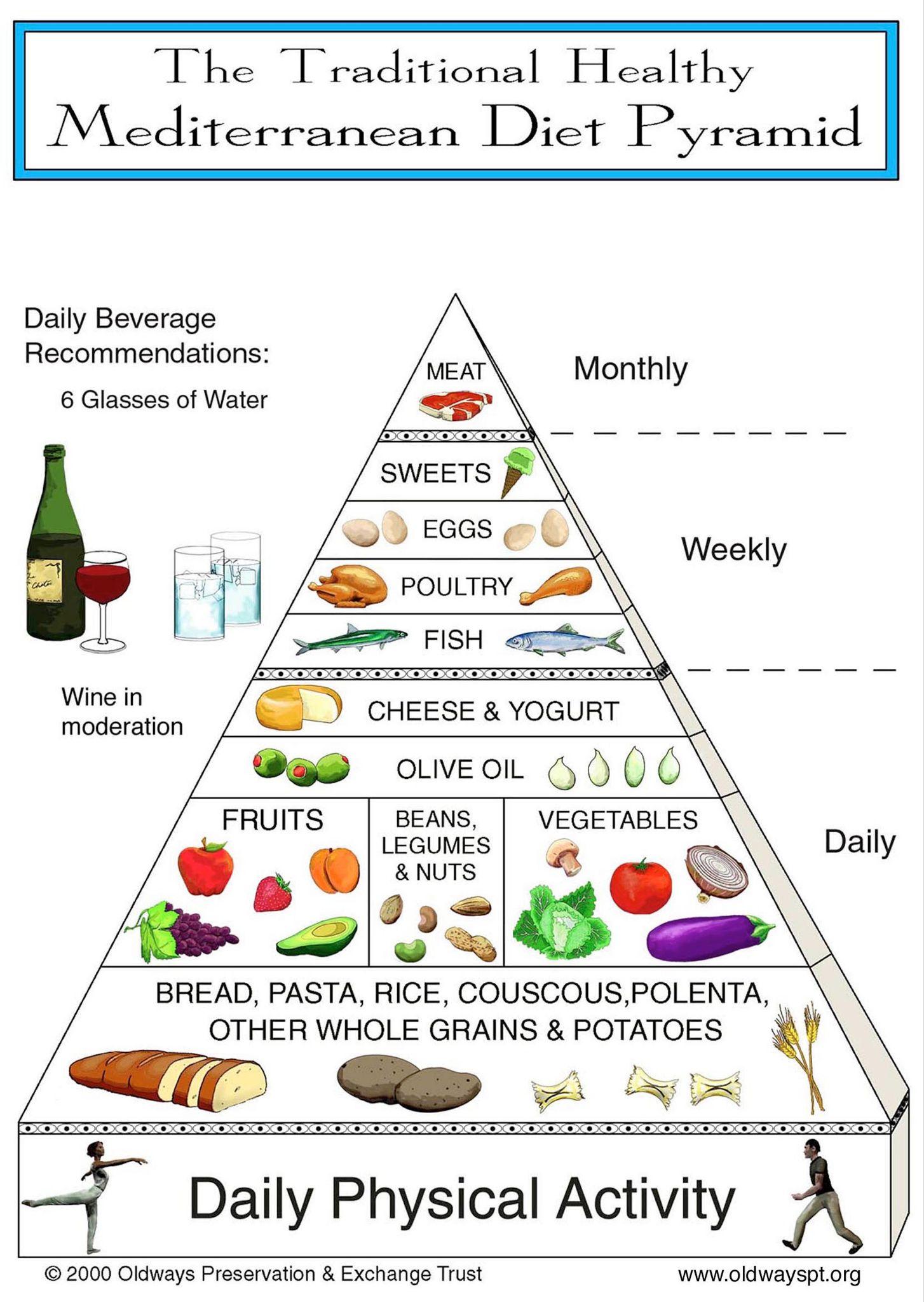
Figure 1 The Mediterrian Food Pyramid(https://www.lose-weight-with-us.com/mediterraneandiet.html)
DASH Diet
The DASH Diet, or Dietary Approaches to Stop Hypertension, is specifically designed to help combat hypertension by emphasizing foods that are rich in nutrients such as potassium, magnesium, and calcium while minimizing sodium intake. This dietary approach encourages a high intake of fruits, vegetables, and whole grains. It also includes low-fat dairy products and lean protein sources, such as fish and poultry, while limiting saturated fats, sugars, and sodium to further support heart health.97
The DASH Diet operates on several important principles. By reducing sodium intake and increasing levels of potassium and magnesium, the diet contributes to lower blood pressure. Research has shown that these dietary changes help modulate vascular tone and decrease systemic inflammation. The primary health benefits of the DASH Diet include significant reductions in blood pressure, decreases in LDL cholesterol levels, and improvements in insulin sensitivity.98
Important studies illustrate the positive impacts of the DASH Diet. The original DASH Study, conducted in 1997, demonstrated an impressive average reduction of 11.4 mmHg in systolic blood pressure among hypertensive participants who adhered to the diet.99 A subsequent meta-analysis in 2020 reviewed 20 studies and confirmed that the DASH Diet consistently leads to significant reductions in blood pressure across diverse populations.100 As a result of this impressive body of research, the DASH Diet is considered highly effective for managing hypertension and improving cardiovascular health outcomes. It is recommended by leading health organizations, including the American Heart Association and the National Heart, Lung, and Blood Institute, as a standard dietary approach for those dealing with hypertension.
The DASH Pyramid:
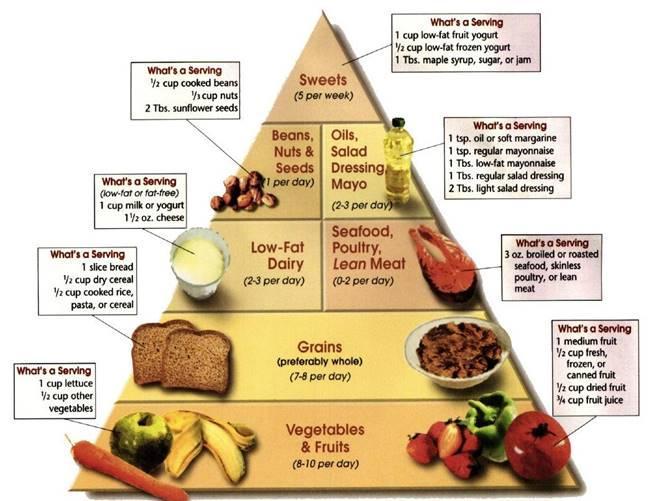
Figure 2 The DASH Food Pyramid (https://www.localcircles.com/a/public/post/dash-diet-a-diet-to-avoid-hypertension/83148cy)
Comparison of Dietary Strategies
Table 15 Comparison of Dietary Strategies
| Dietary Strategy | Core Focus | Primary Benefits | Limitations |
|---|---|---|---|
| Mediterranean Diet | Plant-based foods, healthy fats | Reduces heart disease risk, improves lipid profiles | Moderate alcohol intake may not suit all individuals |
| DASH Diet | Low sodium, high potassium | Lowers blood pressure, supports kidney health | May require significant dietary changes for some |
Reducing sodium intake is essential in managing and decreasing the risk of hypertension. High sodium levels can lead to increased blood pressure, putting extra strain on the cardiovascular system. Studies indicate that cutting down on sodium can significantly lower blood pressure and thus reduce the risk of heart disease and stroke.101 The Mediterranean Diet rich in fruits, vegetables, whole grains, and healthy fats (like olive oil and nuts), and the DASH (Dietary Approaches to Stop Hypertension) diet, emphasizing low sodium and rich in potassium, magnesium, and calcium, have both been shown to protect against coronary heart disease.102 Additionally, maintaining adequate protein and albumin levels is essential for heart health. Proteins are necessary for the repair and maintenance of tissues, including the heart muscle. Albumin, a type of protein found in the blood, helps in maintaining oncotic pressure (which keeps fluid from leaking out of blood vessels) and plays a role in transporting hormones, vitamins, and drugs throughout the body. Overall, a diet rich in plant-based foods and fatty fish, combined with an active lifestyle, promotes cardiovascular well-being.
In summary, reducing sodium intake, following protective diets like Mediterranean and DASH, ensuring adequate protein and albumin levels, adopting a diet rich in plant-based foods and fatty fish, and maintaining an active lifestyle form a robust strategy for promoting cardiovascular well-being and improved blood circulation.
Summary
Nutritional supplements may offer meaningful support for enhancing blood circulation, particularly in individuals dealing with conditions that impair vascular function, such as hypertension, diabetes, and anemia. Research has shown that certain supplements including omega-3 fatty acids, potassium, flavonoids, and vitamin B, can help lower blood pressure, reduce inflammation, improve endothelial function, and support healthy red blood cell production, all of which contribute to improved blood flow and tissue oxygenation. These circulatory benefits are especially valuable in populations affected by chronic fatigue, cold extremities, or compromised cardiovascular performance.
For individuals with poor circulation due to nutrient deficiencies or underlying conditions like heart failure or anemia, nutritional assessment and targeted supplementation may enhance clinical outcomes and improve quality of life. Despite their promising effects, it is essential to recognize that supplements should serve as complements to not substitutes for a healthy lifestyle. A nutrient-dense, circulation-friendly diet (such as the Mediterranean or DASH diet), regular physical activity, smoking cessation, and stress reduction remain foundational strategies for maintaining optimal vascular health and preventing circulatory dysfunction over the long term. Researchers are exploring nutritional assessment and supplementation as promising avenues for enhancing the health outcomes of those suffering from heart failure, low energy levels, and anemia.103 These efforts focus on identifying specific nutritional needs and integrating appropriate supplements to support overall cardiovascular wellness.
Who are the Experts
Below are prominent researchers and medical professionals specializing in cardiovascular health and blood circulation, along with their areas of expertise, affiliations, and notable contributions to the field.
Dr. Valentin Fuster, MD, PhD
Affiliation: Mount Sinai Hospital, New York; Editor-in-Chief, Journal of the American College of Cardiology (JACC)
Expertise: Atherosclerosis, vascular biology, heart failure, and global cardiovascular prevention
Notable Contributions:
Led major international studies on cardiovascular disease prevention, including the Fuster-CNIC-Santander Project.
Advocated for integrating imaging and biomarkers in predicting cardiovascular events.
Recognized for his work on plaque instability and thrombosis.
Dr. Deepak L. Bhatt, MD, MPH
Affiliation: Mount Sinai Heart, NY; formerly Harvard Medical School and Brigham and Women’s Hospital
Expertise: Preventive cardiology, vascular medicine, interventional cardiology, antithrombotic therapy
Notable Contributions:
Principal investigator in large clinical trials such as REDUCE-IT (omega-3s in heart disease) and CHAMPION-PHOENIX (antiplatelet therapy).
Has published over 1,600 peer-reviewed papers on cardiovascular outcomes and circulation-related interventions.
Dr. Salim Yusuf, MD, DPhil
Affiliation: McMaster University; Director, Population Health Research Institute (PHRI), Canada
Expertise: Epidemiology of cardiovascular disease, global health, vascular disease prevention
Notable Contributions:
Led the INTERHEART and PURE studies, which explored cardiovascular risk factors across populations worldwide.
Known for promoting low-cost, evidence-based interventions to improve heart and vascular health globally.
Dr. Suzanne Oparil, MD
Affiliation: University of Alabama at Birmingham (UAB)
Expertise: Hypertension, vascular biology, endothelial dysfunction
Notable Contributions:
Co-authored key guidelines in JNC 7 and JNC 8 on blood pressure management.
Conducted pioneering research on angiotensin II and arterial remodeling, advancing our understanding of blood pressure and vessel health.
Dr. Joseph Loscalzo, MD, PhD
Affiliation: Brigham and Women’s Hospital; Harvard Medical School
Expertise: Endothelial function, nitric oxide signaling, oxidative stress, systems biology of vascular disease
Notable Contributions:
Renowned for foundational work on the role of nitric oxide in vascular health and its clinical relevance in circulation and thrombosis.
Editor of leading cardiovascular textbooks and contributor to systems biology approaches in heart disease research.
Positions and Views of Worldwide Governmental Medical and Health Organizations
Governmental and international health organizations emphasize a balanced diet and proper nutrition as key factors in maintaining heart health, energy levels, and overall vitality. Here are the main positions from leading health organizations:
1. World Health Organization (WHO)
The WHO promote a diet rich in whole foods, emphasizing fruits, vegetables, whole grains, lean proteins, and healthy fats. They warn against excessive intake of processed and ultra-processed foods, as these contribute to non-communicable diseases like heart disease and diabetes. They also advocate for policies such as front-of-pack labeling to help consumers make informed food choices.
https://www.who.int/news-room/fact-sheets/detail/healthy-diet
2. World Heart Federation (WHF)
The WHF highlights the importance of minimizing processed foods, trans fats, and excessive salt and sugar consumption. It encourages choosing unsaturated fats over saturated fats and prioritizing whole, minimally processed foods. The organization also supports initiatives to educate consumers and policymakers on food labeling and nutrition.
Healthy Diet
3. American Heart Association (AHA)
The AHA recommends a heart-healthy diet that includes:
A variety of fruits and vegetables
Whole grains
Healthy protein sources (mostly plant-based, with lean meats and fish)
Non-tropical vegetable oils
Minimal added sugars and processed foods
Little to no alcohol intake
They emphasize reading nutrition labels to reduce sodium, added sugars, and saturated fats.
https://www.heart.org/en/healthy-living/healthy-eating/eat-smart/nutrition-basics/aha-diet-and-lifestyle-recommendations
4. U.S. Department of Agriculture (USDA)
The USDA provides dietary guidelines similar to those of the AHA, focusing on balanced nutrition, portion control, and nutrient-dense foods. They highlight the importance of whole grains, lean proteins, and reducing sodium, saturated fats, and added sugars.
https://www.usda.gov/about-food/nutrition-research-and-programs/dietary-health
5. National Institute of Health (NIH)
The NIH Office of Dietary Supplements (ODS) plays a crucial role in advancing the scientific research of dietary supplements. Its primary mission is to coordinate research across various federal agencies to explore the potential health benefits and risks of dietary supplements, including vitamins, minerals, herbs, and amino acids. The ODS is part of the National Institutes of Health (NIH), and its activities span a wide range of initiatives such as funding research, conducting systematic reviews, and developing resources for both healthcare professionals and the public.
The ODS aims to improve public health by supporting studies that assess the safety, efficacy, and quality of dietary supplements. It also works on developing analytical methods to ensure the reliability of supplements available on the market. A significant focus is placed on understanding how supplements contribute to health maintenance and chronic disease prevention, particularly in underserved populations.
https://ods.od.nih.gov/factsheets/list-all/
Most of these organizations agree that a well-balanced diet should provide necessary nutrients without the need for supplements. However, in cases of specific deficiencies (e.g., omega-3s, vitamin D, or iron), supplements may be beneficial. The AHA cautions against relying on supplements over whole foods, as some supplements can have adverse effects or interact with medication.
Governments and health agencies consistently promote whole foods, reduced processed food consumption, and moderation in fats, sugar, and salt to improve heart health, energy, and vitality. They encourage lifestyle modifications over reliance on supplements unless medically necessary.
Nonprofits and Private Organizations
No need to use “Header 2”. Use bullet points.
Social Media Contributors
Here are some notable social media communities and influencers dedicated to health, diet, and energy vitality, particularly concerning heart health:
1. Health and Fitness Communities & Influencers:
Ari Cohen (Instagram, 100K+ followers): A nutrition and fitness coach focusing on sustainable health, fitness tips, and healthy recipes. His audience largely consists of individuals aged 30-50, where he educates on lifestyle choices for long-term health
adfirehealth.com
afluencer.com
Dinh Viet Nguyen (Instagram, 100K+ followers): Specializes in calisthenics, mental health, and fitness, motivating his followers with impactful videos and messages. His high engagement rate is a testament to his influence in the fitness and wellness community
afluencer.com
Karissa Fox (Instagram, 100K+ followers): A holistic health influencer who shares her journey with a rare neurological issue while promoting non-toxic beauty and wellness. She focuses on a well-rounded lifestyle that integrates health, family, and mental well-being
afluencer.com
2. Relevant Podcasts and Platforms:
Dr. Andrew Weil: A renowned physician who promotes integrative medicine. He uses his platforms to share advice on heart health, energy vitality, and holistic lifestyle changes, advocating for a balanced diet and stress management
adfirehealth.com
The Notorious Pharmacist (TikTok, 208K followers): While this influencer focuses on pharmaceutical education, they frequently discuss myths around diet and supplements, helping followers separate fact from fiction
acsh.org
3. Facebook Groups and Online Communities:
Health and Wellness Communities on Facebook: Many groups exist around diet tips, heart health, and vitality. These groups provide peer support and shared experiences, particularly for chronic conditions related to diet and lifestyle choices.
These communities and influencers provide valuable insights into how diet, supplements, and lifestyle choices contribute to energy and heart health. They also help debunk myths and encourage informed decision-making in areas that affect vitality and overall wellness.
Bibliography
“9 Foods High in Nitrates and Their Benefits.” Accessed February 18, 2025. https://www.realsimple.com/foods-high-in-nitrates-8404830.
Bhupathiraju, Shilpa N., and Katherine L. Tucker. “Coronary Heart Disease Prevention: Nutrients, Foods, and Dietary Patterns.” Clinica Chimica Acta 412, no. 17–18 (August 2011): 1493–1514. https://doi.org/10.1016/j.cca.2011.04.038.
“Cancer: Carcinogenicity of the Consumption of Red Meat and Processed Meat.” Accessed February 5, 2025. https://www.who.int/news-room/questions-and-answers/item/cancer-carcinogenicity-of-the-consumption-of-red-meat-and-processed-meat.
Corliss, Julie. “Nitrates in Food and Medicine: What’s the Story?” Harvard Health, February 1, 2022. https://www.health.harvard.edu/heart-health/nitrates-in-food-and-medicine-whats-the-story.
GoodRx. “Nitric Oxide Supplements: What They Are, Benefits, Side Effects.” Accessed December 11, 2024. https://www.goodrx.com/well-being/supplements-herbs/nitric-oxide-supplement.
Keller, Rosa M., Laura Beaver, M. Catherine Prater, and Norman G. Hord. “Dietary Nitrate and Nitrite Concentrations in Food Patterns and Dietary Supplements.” Nutrition Today 55, no. 5 (October 2020): 218. https://doi.org/10.1097/NT.0000000000000253.
Lundberg, Jon O., Mattias Carlström, Filip J. Larsen, and Eddie Weitzberg. “Roles of Dietary Inorganic Nitrate in Cardiovascular Health and Disease.” Cardiovascular Research 89, no. 3 (February 15, 2011): 525–32. https://doi.org/10.1093/cvr/cvq325.
Melanson, Kathleen J. “Dietary Factors in Reducing Risk of Cardiovascular Diseases.” American Journal of Lifestyle Medicine 1, no. 1 (January 2007): 24–28. https://doi.org/10.1177/1559827606294793.
nhs.uk. “Vitamins and Minerals – B Vitamins and Folic Acid,” October 23, 2017. https://www.nhs.uk/conditions/vitamins-and-minerals/vitamin-b/.
“Office of Dietary Supplements – Potassium.” Accessed April 11, 2025. https://ods.od.nih.gov/factsheets/Potassium-HealthProfessional/.
“Office of Dietary Supplements – Potassium.” Accessed May 9, 2025. https://ods.od.nih.gov/factsheets/Potassium-HealthProfessional/.
“Office of Dietary Supplements – Vitamin B6.” Accessed December 12, 2024. https://ods.od.nih.gov/factsheets/VitaminB6-HealthProfessional/.
Services, Department of Health & Human. “Vitamin B.” Department of Health & Human Services. Accessed December 12, 2024. http://www.betterhealth.vic.gov.au/health/healthyliving/vitamin-b.
“The 10 Best Foods to Boost Nitric Oxide Levels.” Accessed November 20, 2024. https://www.healthline.com/nutrition/nitric-oxide-foods.
Ullah, Asad, Sidra Munir, Syed Lal Badshah, Noreen Khan, Lubna Ghani, Benjamin Gabriel Poulson, Abdul-Hamid Emwas, and Mariusz Jaremko. “Important Flavonoids and Their Role as a Therapeutic Agent.” Molecules 25, no. 22 (November 11, 2020): 5243. https://doi.org/10.3390/molecules25225243.
D. Elad and S. Einav, “CHAPTER 3 PHYSICAL AND FLOW PROPERTIES OF BLOOD,” 2005, https://www.semanticscholar.org/paper/CHAPTER-3-PHYSICAL-AND-FLOW-PROPERTIES-OF-BLOOD-Elad-Einav/c1142c6fc7e25d329b5bc211b7888a71c345c955.↩︎
“Blood as a Circulatory Fluid & the Dynamics of Blood & Lymph Flow,” 2013, https://www.semanticscholar.org/paper/Blood-as-a-Circulatory-Fluid-%26-the-Dynamics-of-%26/ad474fdf064650af64019f6efe47f8213663d862.↩︎
A. Marossy et al., “Hemorheology and Circulation,” Clinical Hemorheology and Microcirculation 42, no. 4 (2009): 239–58, https://doi.org/10.3233/ch-2009-1192.↩︎
Y C Fung and B W Zweifach, “Microcirculation: Mechanics of Blood Flow in Capillaries,” Annual Review of Fluid Mechanics 3, no. 1 (January 1971): 189–210, https://doi.org/10.1146/annurev.fl.03.010171.001201.↩︎
Elad and Einav, “CHAPTER 3 PHYSICAL AND FLOW PROPERTIES OF BLOOD”; “Blood as a Circulatory Fluid & the Dynamics of Blood & Lymph Flow.”↩︎
Philip A. Sapp et al., “Nutrition and Atherosclerotic Cardiovascular Disease,” in Present Knowledge in Nutrition (Elsevier, 2020), 393–411, https://doi.org/10.1016/b978-0-12-818460-8.00022-8; Peter J. Joris et al., “Cerebral Blood Flow Measurements in Adults: A Review on the Effects of Dietary Factors and Exercise,” Nutrients 10, no. 5 (April 25, 2018): 530, https://doi.org/10.3390/nu10050530.↩︎
Amy Rees, Georgina Dodd, and Jeremy Spencer, “The Effects of Flavonoids on Cardiovascular Health: A Review of Human Intervention Trials and Implications for Cerebrovascular Function,” Nutrients 10, no. 12 (December 1, 2018): 1852, https://doi.org/10.3390/nu10121852.↩︎
Emily V. Nosova, Michael S. Conte, and S. Marlene Grenon, “Advancing beyond the ‘Heart-Healthy Diet’ for Peripheral Arterial Disease,” Journal of Vascular Surgery 61, no. 1 (January 2015): 265–74, https://doi.org/10.1016/j.jvs.2014.10.022.↩︎
Sewon Jeong et al., “Systematic review of the effect of omega-3 fatty acids on improvement of blood flow while focused on evaluation of claims for health functio nal food,” Journal of Nutrition and Health 46, no. 3 (2013): 226, https://doi.org/10.4163/jnh.2013.46.3.226.↩︎
“Office of Dietary Supplements – Omega-3 Fatty Acids,” accessed December 11, 2024, https://ods.od.nih.gov/factsheets/Omega3FattyAcids-HealthProfessional/.↩︎
Trevor A. Mori, “Marine OMEGA-3 Fatty Acids in the Prevention of Cardiovascular Disease,” Fitoterapia 123 (November 2017): 51–58, https://doi.org/10.1016/j.fitote.2017.09.015.↩︎
Jeong et al., “Systematic review of the effect of omega-3 fatty acids on improvement of blood flow while focused on evaluation of claims for health functio nal food.”↩︎
W. S. Harris et al., “Safety and Efficacy of Omacor in Severe Hypertriglyceridemia,” Journal of Cardiovascular Risk 4, no. 5–6 (1997): 385–91.↩︎
Mori, “Marine OMEGA-3 Fatty Acids in the Prevention of Cardiovascular Disease.”↩︎
Jeong et al., “Systematic review of the effect of omega-3 fatty acids on improvement of blood flow while focused on evaluation of claims for health functional food.”↩︎
G. Colussi et al., “Impact of Omega-3 Polyunsaturated Fatty Acids on Vascular Function and Blood Pressure: Relevance for Cardiovascular Outcomes,” Nutrition, Metabolism and Cardiovascular Diseases 27, no. 3 (March 2017): 191–200, https://doi.org/10.1016/j.numecd.2016.07.011.↩︎
T Habon, “Omega-3 Fatty Acids Improve Haemodynamic and Haemorheologic Parameters and Lipid Profiles in Patients with Cardiovascular Diseases,” European Heart Journal 23, no. 1 (January 1, 2002): 89, https://doi.org/10.1053/euhj.2001.2794.↩︎
Paul Nestel et al., “The N-3 Fatty Acids Eicosapentaenoic Acid and Docosahexaenoic Acid Increase Systemic Arterial Compliance in Humans,” The American Journal of Clinical Nutrition 76, no. 2 (August 2002): 326–30, https://doi.org/10.1093/ajcn/76.2.326.↩︎
Edel O. Elvevoll et al., “Enhanced Incorporation of N-3 Fatty Acids from Fish Compared with Fish Oils,” Lipids 41, no. 12 (December 2006): 1109–14, https://doi.org/10.1007/s11745-006-5060-3.↩︎
Baris Gencer et al., “Effect of Long-Term Marine ɷ-3 Fatty Acids Supplementation on the Risk of Atrial Fibrillation in Randomized Controlled Trials of Cardiovascular Outcomes: A Systematic Review and Meta-Analysis,” Circulation 144, no. 25 (December 21, 2021): 1981–90, https://doi.org/10.1161/CIRCULATIONAHA.121.055654.↩︎
David S. Siscovick et al., “Omega-3 Polyunsaturated Fatty Acid (Fish Oil) Supplementation and the Prevention of Clinical Cardiovascular Disease: A Science Advisory From the American Heart Association,” Circulation 135, no. 15 (April 11, 2017), https://doi.org/10.1161/CIR.0000000000000482.↩︎
Mori, “Marine OMEGA-3 Fatty Acids in the Prevention of Cardiovascular Disease.”↩︎
“Office of Dietary Supplements – Omega-3 Fatty Acids.”↩︎
Christine M. Albert et al., “Blood Levels of Long-Chain n-3 Fatty Acids and the Risk of Sudden Death,” The New England Journal of Medicine 346, no. 15 (April 11, 2002): 1113–18, https://doi.org/10.1056/NEJMoa012918.↩︎
Mori, “Marine OMEGA-3 Fatty Acids in the Prevention of Cardiovascular Disease.”↩︎
Alice H. Lichtenstein et al., “2021 Dietary Guidance to Improve Cardiovascular Health: A Scientific Statement From the American Heart Association,” Circulation 144, no. 23 (December 7, 2021): e472–87, https://doi.org/10.1161/CIR.0000000000001031.↩︎
“FISH OIL: Overview, Uses, Side Effects, Precautions, Interactions, Dosing and Reviews,” accessed December 5, 2024, https://www.webmd.com/vitamins/ai/ingredientmono-993/fish-oil; Frank B. Hu and Walter C. Willett, “Optimal Diets for Prevention of Coronary Heart Disease,” JAMA 288, no. 20 (November 27, 2002): 2569–78, https://doi.org/10.1001/jama.288.20.2569.↩︎
“Office of Dietary Supplements – Omega-3 Fatty Acids.”↩︎
Y. Zhang et al., “Association of Fish and Long-Chain Omega-3 Fatty Acids Intakes with Total and Cause-Specific Mortality: Prospective Analysis of 421 309 Individuals,” Journal of Internal Medicine 284, no. 4 (October 2018): 399–417, https://doi.org/10.1111/joim.12786.↩︎
OCSPP US EPA, “Health Effects of Exposures to Mercury,” Overviews and Factsheets, September 3, 2015, https://www.epa.gov/mercury/health-effects-exposures-mercury.↩︎
“Fish Oil,” Mayo Clinic, accessed December 11, 2024, https://www.mayoclinic.org/drugs-supplements-fish-oil/art-20364810.↩︎
“Office of Dietary Supplements – Omega-3 Fatty Acids.”↩︎
Jon O. Lundberg et al., “Roles of Dietary Inorganic Nitrate in Cardiovascular Health and Disease,” Cardiovascular Research 89, no. 3 (February 15, 2011): 525–32, https://doi.org/10.1093/cvr/cvq325.↩︎
Lundberg et al.↩︎
Vikas Kapil et al., “Inorganic Nitrate Supplementation Lowers Blood Pressure in Humans: Role for Nitrite-Derived NO,” Hypertension 56, no. 2 (August 2010): 274–81, https://doi.org/10.1161/HYPERTENSIONAHA.110.153536.↩︎
Amrita Ahluwalia et al., “Dietary Nitrate and the Epidemiology of Cardiovascular Disease: Report From a National Heart, Lung, and Blood Institute Workshop,” Journal of the American Heart Association: Cardiovascular and Cerebrovascular Disease 5, no. 7 (July 6, 2016): e003402, https://doi.org/10.1161/JAHA.116.003402.↩︎
Lundberg et al., “Roles of Dietary Inorganic Nitrate in Cardiovascular Health and Disease.”↩︎
Vikas Kapil et al., “Dietary Nitrate Provides Sustained Blood Pressure Lowering in Hypertensive Patients,” Hypertension 65, no. 2 (February 2015): 320–27, https://doi.org/10.1161/HYPERTENSIONAHA.114.04675.↩︎
Aarti A. Kenjale et al., “Dietary Nitrate Supplementation Enhances Exercise Performance in Peripheral Arterial Disease,” Journal of Applied Physiology 110, no. 6 (June 2011): 1582–91, https://doi.org/10.1152/japplphysiol.00071.2011.↩︎
Rosa M. Keller et al., “Dietary Nitrate and Nitrite Concentrations in Food Patterns and Dietary Supplements,” Nutrition Today 55, no. 5 (October 2020): 218, https://doi.org/10.1097/NT.0000000000000253.↩︎
Satnam Lidder and Andrew J. Webb, “Vascular Effects of Dietary Nitrate (as Found in Green Leafy Vegetables and Beetroot) via the Nitrate‐nitrite‐nitric Oxide Pathway,” British Journal of Clinical Pharmacology 75, no. 3 (March 2013): 677–96, https://doi.org/10.1111/j.1365-2125.2012.04420.x.↩︎
“9 Foods High in Nitrates and Their Benefits,” accessed February 18, 2025, https://www.realsimple.com/foods-high-in-nitrates-8404830.↩︎
“The 10 Best Foods to Boost Nitric Oxide Levels,” accessed November 20, 2024, https://www.healthline.com/nutrition/nitric-oxide-foods.↩︎
Julie Corliss, “Nitrates in Food and Medicine: What’s the Story?,” Harvard Health, February 1, 2022, https://www.health.harvard.edu/heart-health/nitrates-in-food-and-medicine-whats-the-story; “Cancer: Carcinogenicity of the Consumption of Red Meat and Processed Meat,” accessed February 5, 2025, https://www.who.int/news-room/questions-and-answers/item/cancer-carcinogenicity-of-the-consumption-of-red-meat-and-processed-meat.↩︎
Kapil et al., “Dietary Nitrate Provides Sustained Blood Pressure Lowering in Hypertensive Patients.”↩︎
Lori M. King and PhD, “Foods High in Nitrates,” WebMD, accessed December 11, 2024, https://www.webmd.com/diet/foods-high-in-nitrates; “Nitric Oxide Supplements: What They Are, Benefits, Side Effects,” GoodRx, accessed December 11, 2024, https://www.goodrx.com/well-being/supplements-herbs/nitric-oxide-supplement.↩︎
“Nitric Oxide Supplements: What They Are, Benefits, Side Effects,” GoodRx, accessed December 11, 2024, https://www.goodrx.com/well-being/supplements-herbs/nitric-oxide-supplement.↩︎
“Everything You Need to Know About Flavonoids,” Healthline, October 23, 2019, https://www.healthline.com/health/what-are-flavonoids-everything-you-need-to-know.↩︎
Amy Rees, Georgina F. Dodd, and Jeremy P. E. Spencer, “The Effects of Flavonoids on Cardiovascular Health: A Review of Human Intervention Trials and Implications for Cerebrovascular Function,” Nutrients 10, no. 12 (December 1, 2018): 1852, https://doi.org/10.3390/nu10121852.↩︎
Rees, Dodd, and Spencer, “The Effects of Flavonoids on Cardiovascular Health: A Review of Human Intervention Trials and Implications for Cerebrovascular Function.”↩︎
Harron Khan et al., “Evidence and Prospective of Plant Derived Flavonoids as Antiplatelet Agents: Strong Candidates to Be Drugs of Future,” Food and Chemical Toxicology, 3rd International Symposium on Phytochemicals in Medicine and Food (3-ISPMF), 119 (September 1, 2018): 355–67, https://doi.org/10.1016/j.fct.2018.02.014.↩︎
“Everything You Need to Know About Flavonoids.”↩︎
Asad Ullah et al., “Important Flavonoids and Their Role as a Therapeutic Agent,” Molecules 25, no. 22 (November 11, 2020): 5243, https://doi.org/10.3390/molecules25225243.↩︎
Nicola P. Bondonno et al., “Flavonoid-Rich Apple Improves Endothelial Function in Individuals at Risk for Cardiovascular Disease: A Randomized Controlled Clinical Trial,” Molecular Nutrition & Food Research 62, no. 3 (February 2018), https://doi.org/10.1002/mnfr.201700674.↩︎
Xia Wang et al., “Flavonoid Intake and Risk of CVD: A Systematic Review and Meta-Analysis of Prospective Cohort Studies,” The British Journal of Nutrition 111, no. 1 (January 14, 2014): 1–11, https://doi.org/10.1017/S000711451300278X.↩︎
Naomi D. L. Fisher et al., “Flavanol-Rich Cocoa Induces Nitric-Oxide-Dependent Vasodilation in Healthy Humans,” Journal of Hypertension 21, no. 12 (December 2003): 2281–86, https://doi.org/10.1097/00004872-200312000-00016.↩︎
Rhonda S. Sebastian, Joseph D. Goldman, and Alanna J. Moshfegh, “Dietary Intake and Sources of Flavonoids by Adults in the U.S. What We Eat in America, NHANES 2017-2018,” in FSRG Dietary Data Briefs (Beltsville (MD): United States Department of Agriculture (USDA), 2010), http://www.ncbi.nlm.nih.gov/books/NBK603802/.↩︎
Peter J Curtis et al., “Blueberries Improve Biomarkers of Cardiometabolic Function in Participants with Metabolic Syndrome—Results from a 6-Month, Double-Blind, Randomized Controlled Trial,” The American Journal of Clinical Nutrition 109, no. 6 (June 2019): 1535–45, https://doi.org/10.1093/ajcn/nqy380; EFSA Panel on Dietetic Products, Nutrition and Allergies (NDA), “Scientific Opinion on the Substantiation of a Health Claim Related to Cocoa Flavanols and Maintenance of Normal Endothelium-Dependent Vasodilation Pursuant to Article 13(5) of Regulation (EC) No 1924/2006,” EFSA Journal 10, no. 7 (2012): 2809, https://doi.org/10.2903/j.efsa.2012.2809.↩︎
Jonathan M. Hodgson and Kevin D. Croft, “Tea Flavonoids and Cardiovascular Health,” Molecular Aspects of Medicine, Phytochemicals and Cardiovascular Protection, 31, no. 6 (December 1, 2010): 495–502, https://doi.org/10.1016/j.mam.2010.09.004.↩︎
Gary R. Beecher, “Overview of Dietary Flavonoids: Nomenclature, Occurrence and Intake,” The Journal of Nutrition 133, no. 10 (October 1, 2003): 3248S-3254S, https://doi.org/10.1093/jn/133.10.3248S.↩︎
Davide Grassi et al., “Cocoa Reduces Blood Pressure and Insulin Resistance and Improves Endothelium-Dependent Vasodilation in Hypertensives,” Hypertension 46, no. 2 (August 2005): 398–405, https://doi.org/10.1161/01.HYP.0000174990.46027.70.↩︎
Aedín Cassidy et al., “Habitual Intake of Flavonoid Subclasses and Incident Hypertension in Adults,” The American Journal of Clinical Nutrition 93, no. 2 (February 1, 2011): 338–47, https://doi.org/10.3945/ajcn.110.006783.↩︎
“Flavonoids : USDA ARS,” accessed April 30, 2025, https://www.ars.usda.gov/northeast-area/beltsville-md-bhnrc/beltsville-human-nutrition-research-center/methods-and-application-of-food-composition-laboratory/mafcl-site-pages/flavonoids/.↩︎
“Flavonoid Health Benefits,” Verywell Health, accessed April 11, 2025, https://www.verywellhealth.com/flavonoids-5209844.↩︎
“Flavonoid Health Benefits.”↩︎
Kathleen M. Laquale, “B-Complex Vitamins’ Role in Energy Release,” Athletic Therapy Today 11, no. 6 (November 2006): 70–73, https://doi.org/10.1123/att.11.6.70; Anne-Laure Tardy et al., “Vitamins and Minerals for Energy, Fatigue and Cognition: A Narrative Review of the Biochemical and Clinical Evidence,” Nutrients 12, no. 1 (January 16, 2020): 228, https://doi.org/10.3390/nu12010228.↩︎
Gianluca Rizzo et al., “Vitamin B12 among Vegetarians: Status, Assessment and Supplementation,” Nutrients 8, no. 12 (November 29, 2016): 767, https://doi.org/10.3390/nu8120767.↩︎
David O. Kennedy, “B Vitamins and the Brain: Mechanisms, Dose and Efficacy–A Review,” Nutrients 8, no. 2 (January 27, 2016): 68, https://doi.org/10.3390/nu8020068.↩︎
Daniel Siniawski, Juan J. Badimon, and Walter Masson, “Role of Niacin in Cardiovascular Prevention: The Debate Continues,” The American Journal of Medicine 130, no. 8 (August 1, 2017): e345, https://doi.org/10.1016/j.amjmed.2017.01.038.↩︎
A. David Smith et al., “Homocysteine-Lowering by B Vitamins Slows the Rate of Accelerated Brain Atrophy in Mild Cognitive Impairment: A Randomized Controlled Trial,” PloS One 5, no. 9 (September 8, 2010): e12244, https://doi.org/10.1371/journal.pone.0012244.↩︎
Robert Clarke et al., “Effects of Lowering Homocysteine Levels With B Vitamins on Cardiovascular Disease, Cancer, and Cause-Specific Mortality: Meta-Analysis of 8 Randomized Trials Involving 37 485 Individuals,” Archives of Internal Medicine 170, no. 18 (October 11, 2010): 1622–31, https://doi.org/10.1001/archinternmed.2010.348.↩︎
Angel F. Remacha et al., “Vitamin B12 Deficiency, Hyperhomocysteinemia and Thrombosis: A Case and Control Study,” International Journal of Hematology 93, no. 4 (April 2011): 458–64, https://doi.org/10.1007/s12185-011-0825-8.↩︎
Paul L. Canner et al., “Fifteen Year Mortality in Coronary Drug Project Patients: Long-Term Benefit with Niacin,” Journal of the American College of Cardiology 8, no. 6 (December 1, 1986): 1245–55, https://doi.org/10.1016/S0735-1097(86)80293-5.↩︎
Evidence Reviews for Risk Factors and Symptoms and Signs for Vitamin B12 Deficiency: Vitamin B12 Deficiency in over 16s: Diagnosis and Management: Evidence Review B, NICE Evidence Reviews Collection (London: National Institute for Health and Care Excellence (NICE), 2024), http://www.ncbi.nlm.nih.gov/books/NBK603365/.↩︎
Department of Health & Human Services, “Vitamin B” (Department of Health & Human Services), accessed December 12, 2024, http://www.betterhealth.vic.gov.au/health/healthyliving/vitamin-b; “Vitamins and Minerals – B Vitamins and Folic Acid,” nhs.uk, October 23, 2017, https://www.nhs.uk/conditions/vitamins-and-minerals/vitamin-b/.↩︎
“Office of Dietary Supplements – Vitamin B6,” accessed December 12, 2024, https://ods.od.nih.gov/factsheets/VitaminB6-HealthProfessional/.↩︎
Services, “Vitamin B.”↩︎
“Vitamins and Minerals – B Vitamins and Folic Acid.”↩︎
Feng J. He and Graham A. MacGregor, “Beneficial Effects of Potassium on Human Health,” Physiologia Plantarum 133, no. 4 (August 2008): 725–35, https://doi.org/10.1111/j.1399-3054.2007.01033.x.↩︎
Nancy J. Aburto et al., “Effect of Increased Potassium Intake on Cardiovascular Risk Factors and Disease: Systematic Review and Meta-Analyses,” BMJ (Clinical Research Ed.) 346 (April 3, 2013): f1378, https://doi.org/10.1136/bmj.f1378.↩︎
Aburto et al.↩︎
He and MacGregor, “Beneficial Effects of Potassium on Human Health.”↩︎
Lanfranco D’Elia et al., “Effect of Potassium Supplementation on Endothelial Function: A Systematic Review and Meta-Analysis of Intervention Studies,” Nutrients 15, no. 4 (February 8, 2023): 853, https://doi.org/10.3390/nu15040853.↩︎
“Intersalt: An International Study of Electrolyte Excretion and Blood Pressure. Results for 24 Hour Urinary Sodium and Potassium Excretion. Intersalt Cooperative Research Group.,” BMJ 297, no. 6644 (July 30, 1988): 319–28, https://doi.org/10.1136/bmj.297.6644.319.↩︎
William F. Jackson, “Ion Channels and Vascular Tone,” Hypertension 35, no. 1 Pt 2 (January 2000): 173–78.↩︎
D. B. Young, H. Lin, and R. D. McCabe, “Potassium’s Cardiovascular Protective Mechanisms,” American Journal of Physiology-Regulatory, Integrative and Comparative Physiology 268, no. 4 (April 1995): R825–37, https://doi.org/10.1152/ajpregu.1995.268.4.R825.↩︎
Davi Vieira Teixeira da Silva et al., “A Critical Review on Vasoactive Nutrients for the Management of Endothelial Dysfunction and Arterial Stiffness in Individuals under Cardiovascular Risk,” Nutrients 15, no. 11 (June 2, 2023): 2618, https://doi.org/10.3390/nu15112618.↩︎
“Office of Dietary Supplements – Potassium,” accessed April 11, 2025, https://ods.od.nih.gov/factsheets/Potassium-HealthProfessional/.↩︎
“Office of Dietary Supplements – Potassium,” accessed May 9, 2025, https://ods.od.nih.gov/factsheets/Potassium-HealthProfessional/.↩︎
“Office of Dietary Supplements – Potassium,” accessed April 11, 2025, https://ods.od.nih.gov/factsheets/Potassium-HealthProfessional/.↩︎
Lawrence E. Armstrong and Evan C. Johnson, “Water Intake, Water Balance, and the Elusive Daily Water Requirement,” Nutrients 10, no. 12 (December 5, 2018): 1928, https://doi.org/10.3390/nu10121928.↩︎
“Nutrition 411: The Importance of Adequate Hydration,” HMP Global Learning Network, December 1, 2009, https://www.hmpgloballearningnetwork.com/site/wmp/article/nutrition-411-importance-adequate-hydration.↩︎
Shilpa N. Bhupathiraju and Katherine L. Tucker, “Coronary Heart Disease Prevention: Nutrients, Foods, and Dietary Patterns,” Clinica Chimica Acta 412, no. 17–18 (August 2011): 1493–1514, https://doi.org/10.1016/j.cca.2011.04.038; Kathleen J. Melanson, “Dietary Factors in Reducing Risk of Cardiovascular Diseases,” American Journal of Lifestyle Medicine 1, no. 1 (January 2007): 24–28, https://doi.org/10.1177/1559827606294793.↩︎
Tuo Lan et al., “Adherence to Healthy Diet and Risk of Cardiovascular Disease in Adult Survivors of Childhood Cancer in the St. Jude Lifetime Cohort: A Cross-Sectional Study,” BMC Medicine 21, no. 1 (July 3, 2023): 242, https://doi.org/10.1186/s12916-023-02956-x.↩︎
Miguel A. Martínez-González, Alfredo Gea, and Miguel Ruiz-Canela, “The Mediterranean Diet and Cardiovascular Health,” Circulation Research 124, no. 5 (March 2019): 779–98, https://doi.org/10.1161/CIRCRESAHA.118.313348.↩︎
Lan et al., “Adherence to Healthy Diet and Risk of Cardiovascular Disease in Adult Survivors of Childhood Cancer in the St. Jude Lifetime Cohort.”↩︎
Alison M Hill, Jennifer A Fleming, and Penny M Kris-Etherton, “The Role of Diet and Nutritional Supplements in Preventing and Treating Cardiovascular Disease,” Current Opinion in Cardiology 24, no. 5 (September 2009): 433–41, https://doi.org/10.1097/HCO.0b013e32832f2fb1.↩︎
Mario Siervo et al., “Effects of the Dietary Approach to Stop Hypertension (DASH) Diet on Cardiovascular Risk Factors: A Systematic Review and Meta-Analysis,” The British Journal of Nutrition 113, no. 1 (January 14, 2015): 1–15, https://doi.org/10.1017/S0007114514003341.↩︎
Siervo et al.↩︎
Chidera Onwuzo et al., “DASH Diet: A Review of Its Scientifically Proven Hypertension Reduction and Health Benefits,” Cureus 15, no. 9 (n.d.): e44692, https://doi.org/10.7759/cureus.44692.↩︎
Kathleen J. Melanson, “Dietary Factors in Reducing Risk of Cardiovascular Diseases,” American Journal of Lifestyle Medicine 1, no. 1 (January 2007): 24–28, https://doi.org/10.1177/1559827606294793.↩︎
Shilpa N. Bhupathiraju and Katherine L. Tucker, “Coronary Heart Disease Prevention: Nutrients, Foods, and Dietary Patterns,” Clinica Chimica Acta 412, no. 17–18 (August 2011): 1493–1514, https://doi.org/10.1016/j.cca.2011.04.038.↩︎
A. Wong, A. Niedzwiecki, and M. Rath, “Myocardial Energetics and the Role of Micronutrients in Heart Failure: A Critical Review.,” American Journal of Cardiovascular Disease, 2016, https://www.semanticscholar.org/paper/Myocardial-energetics-and-the-role-of-in-heart-a-Wong-Niedzwiecki/9eefb4702d528de2d421ea4cd1b3ad01f08bb7bf.↩︎

